New technology pumps up heart program at LMH
Lawrence Memorial Hospital
A couple of months ago, Lawrence Memorial Hospital doctors would have thought that the artery they were looking at Wednesday morning was about 40 percent blocked.
Today, though, they know that it actually is about 75 percent blocked. What a difference two months and about $100,000 worth of new technology can make.
The new technology is called “intravascular ultrasound.” Patients can think of it as a much higher-tech camera that captures more detailed images of the arteries leading to a person’s heart.
“This really is the best technology we have to answer many of the questions that we need to answer to treat a patient,” said Dr. Mike Zabel, medical director for the hospital’s cardiology services.
The new technology, installed late last month, is the latest news in what has been a busy year for the hospital’s heart lab, Zabel told LMH board members at a meeting Wednesday morning. The hospital in 2006 started performing angioplasty, installation of stents and other procedures designed to help open up or clear clogged arteries, which can lead to heart attacks.
Last summer, the lab also began performing emergency procedures on patients who came into the emergency room complaining of chest pain. Previously, those patients had to be transported to St. Luke’s Hospital or other hospitals in Kansas City or Topeka, often with a wait time of two hours or more before they received treatment.
“That will mean some saved lives when we’re talking about these cases that come in through the emergency room,” Zabel said.
During five weeks in 2007, Zabel said, the hospital performed seven emergency procedures, including four in one weekend.
“We saw one man who I don’t know that he would have survived if we would have had to transfer him to St. Luke’s,” Zabel said.
LMH board members struggled throughout much of 2005 with whether to add the new heart services to the hospital. There were some medical concerns that the hospital should not do so because LMH does not have a heart surgery program, which can become necessary if there are complications in the angioplasty procedure.
Board members on Wednesday, however, said they were glad they had taken the step forward.
“It has been gratifying for me to watch this happen,” said Dr. Mark Praeger, a member of the LMH board. “As technology has improved, it has been gratifying to watch us embrace it.”
Zabel said improvements in technology that have significantly increased the safety of installing stents and performing angioplasty were the main factors that made him comfortable with providing the services at a hospital without a heart surgery program.
City Government

Soccer gear honoring Lawrence history’s all-star team is now on sale as part of city’s public art exhibition
To honor public servants, Lawrence’s July 4 celebration will have a whole gallery of their photos on display; submissions open now
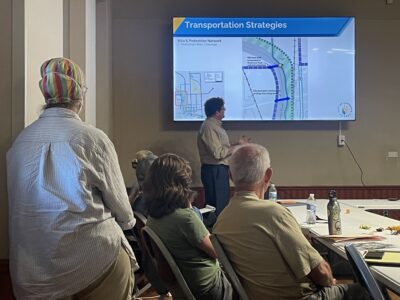
North Lawrence study consultants look at possibilities for a grocery store, food truck park, traffic calming and more
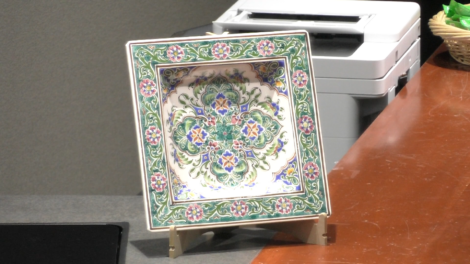
Algerian ambassador gives Lawrence a gift for supporting national team – a piece of art
Lawrence City Commission approves incentives for Alarm.com’s office project in downtown building