

Cycle of psychosis: Lawrence’s severely mentally ill often live in limbo
Angelica Marie Kulp
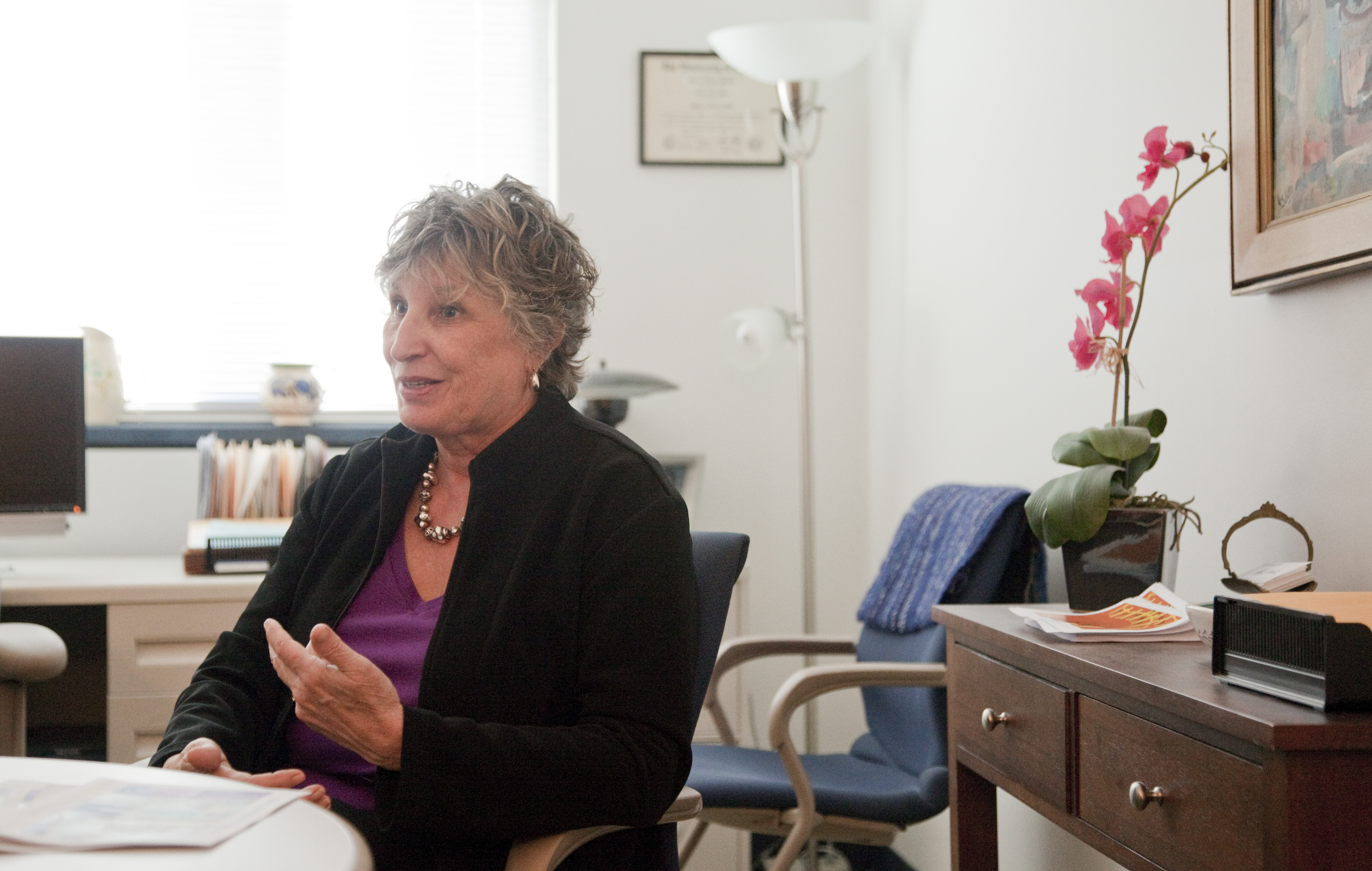
Eunice Ruttinger, adult services director, talks about some of the various forms of therapy used to treat anxiety, depression and psychotic disorders at Bert Nash Community Mental Health Center, 200 Maine, during an interview in 2010. Ruttinger is among the Bert Nash staff members who teach people how to respond to suicidal thoughts and behavior in the center's Mental Health First Aid classes, which are open to anyone.

Bert Nash Community Mental Health Center, 200 Maine, is a nonprofit agency that serves Douglas County. It provides a variety of services that range from helping someone who is in crisis to helping someone with depression or anxiety.
Jim Kytasaari
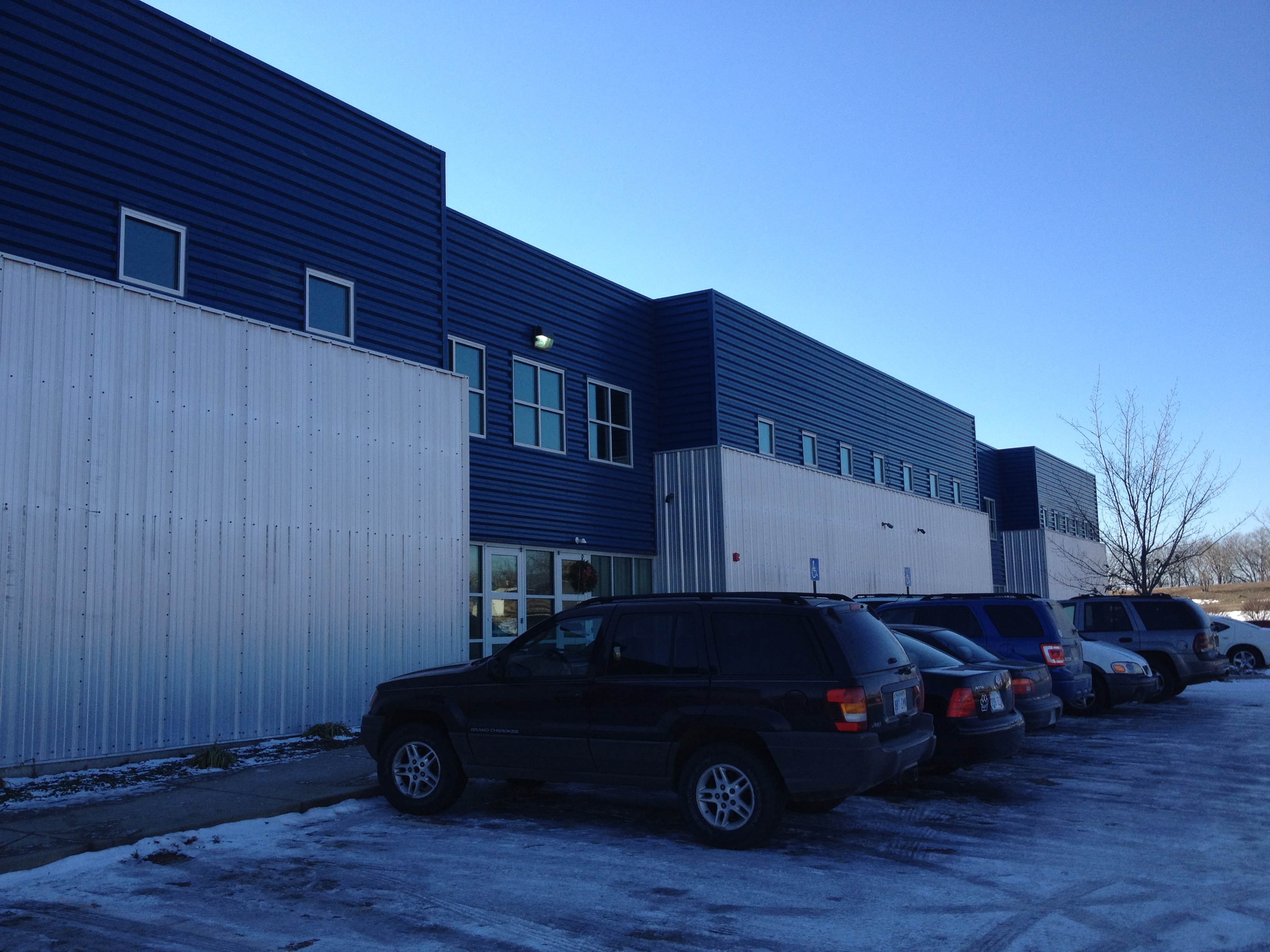
The Lawrence Community Shelter's new location at 3701 Franklin Park Circle, on the eastern edge of Lawrence. The shelter's 120 guests moved into the converted warehouse space Saturday, from the former location at 10th and Kentucky Streets.
Angelica Kulp had resources to manage her severe mental illness. But prescriptions, an income and support from others were not enough to prevent her recurring psychotic breaks, acquaintances said.
Kulp is now in jail, charged with murder in Lawrence’s latest homicide.
What Kulp needed was quality, long-term inpatient care — a place that had money for the type of medication that worked for her, time for therapy to negate dysfunctional thinking entrenched by years of living with schizophrenia, and structure to ensure she did not stray from either, her landlord Brian Blevins said.
In Lawrence, home to many other people struggling to manage debilitating mental health problems, “that place doesn’t exist,” said Blevins, also a longtime case manager and director of operations at the Lawrence Community Shelter.
A few community programs for the severely mentally ill attempt to come close, although organizers say the need for them far outstrips their resources. And even with diligent patients, stabilization is often fleeting.
“It’s not like it’s a hopeless situation, but it’s very difficult,” said Eunice Ruttinger, adult services director at Bert Nash Community Mental Health Center.
Hundreds severely ill
Roughly 400 of the 4,000 patients seen a year at Bert Nash have a severe and pervasive mental illness, Ruttinger said. She is sure there are others who aren’t plugged in to Bert Nash.
Such illnesses impair people’s ability to work, maintain relationships and care for themselves, Ruttinger said. They may be stable part of the time, she said, but during psychotic episodes they are out of touch with reality.
While some of those 400 are functioning in the community with varying degrees of success, probably a third are not managing their mental illnesses, Ruttinger estimates. Often they are in and out of the hospital, jail or homeless shelter and have active psychotic delusions.
“These folks require a lot of what we call aggressive outreach,” she said.
Case managers knock on doors, go to places they hang out and talk to others who might know them in an attempt to engage them, she said.
However, with few exceptions, case managers can’t force anyone to take medication or participate in therapy.
“In general people have free will,” Ruttinger said. “It’s not illegal to have a mental illness.”
Osawatomie full
Kansas courts can order people to pursue mental health treatment. A judge issues outpatient treatment orders after a hearing with a mental health screener and the patient, if he chooses to attend, said Rosemary Corbin, Bert Nash emergency screening specialist.
The formality of a court order is enough for some patients to stick with treatment. Patients deemed dangerous to themselves or others can be ordered to inpatient treatment.
In the past year, 946 of about 1,500 clients screened by Bert Nash required inpatient psychiatric treatment, Corbin said. Of those, 223 were committed involuntarily.
Ideally people’s mental health needs can be met in the community, she said, but Bert Nash deals with people daily who need hospitalization beyond the emergency room at Lawrence Memorial Hospital, which closed its 15-bed mental health unit in 2004.
A few private hospitals in Kansas offer inpatient psychiatric care, but the cost can be prohibitive. Osawatomie State Hospital is the designated state psychiatric inpatient facility for eastern Kansas.
Osawatomie has 206 budgeted beds, or beds that the Legislature has provided funding to support, said Angela de Rocha, communications director at the Kansas Department for Aging and Disability Services, which oversees the hospital. However, she said, the hospital can comfortably fit and care for dozens more and often does — late last week, they were 43 over their optimal number.
When the hospital can’t take more patients, she said they are diverted to private inpatient facilities on a contract basis.
“We can’t turn anyone away,” de Rocha said. “The state law is that we will provide the care for them.”
Lengths of stays vary widely, but on average they are just under a month, de Rocha said. She said since January, only 3 percent of patients had to be readmitted within a week of being discharged.
Patients are released with a treatment plan, prescriptions if needed and an appointment at their community mental health centers scheduled within three days, she said.
Again, following through is up to patients.
“We have no authority to force them to do anything,” de Rocha said. “We’re not a police state.”
Acquaintances said Kulp had stayed multiple times in Osawatomie and had a Bert Nash case manager. Citing confidentiality, de Rocha and Bert Nash representatives said they could not confirm that. The court’s mental health orders identifying individuals are closed to the public as well.
Bert Nash housing
Bert Nash has space for up to 16 people in its housing programs for the severely mentally ill, half transitional units and half more permanent.
There are probably another 50 people in town who need such housing, Ruttinger said, but Bert Nash lacks the resources to expand.
Commonly chaotic and disorganized — case managers spend a lot of time just trying to help them find their driver’s licenses, for example — this population benefits from the structured environment, Ruttinger said. Having clients under one roof makes it easier for case managers to find them and provide “wraparound” services, overseeing medication and driving them to therapy sessions.
Even that does not mean automatic stabilization, however.
After Lawrence resident Jim Kytasaari’s mental illness — he’s diagnosed as type 1 bipolar with psychotic features — got so out of control he could not work, one episode landed him in the LMH emergency room, then Osawatomie for six weeks, then Bert Nash’s transitional housing program.
Case managers came daily to ensure he took his medication and participated in therapy sessions, many of which were held right there where he lived.
Still, Kytasaari said, his mental state was so dark and depressed that he often refused to go.
“It’s a catch 22,” he said. “You need help to feel better, but you have to feel better to get help.”
After five years in Bert Nash’s permanent housing, Kytasaari recently moved into his own home two months ago.
He credits support from people in his group therapy programs, Bert Nash and Home Depot, where he now works, and his family with encouraging him to keep up his treatment so he does not backslide again.
Kytasaari points out that just because he is functioning doesn’t mean he doesn’t need help anymore. Even when he’s feeling good, he said, staying vigilant is a challenge.
“It’s a daily deal,” he said.
A few other community housing programs cater to people with mental illness but most overlap with other problems, such as addiction or domestic violence, Ruttinger said.
Kulp’s home
Kulp lived in an unsanctioned group home on Indiana Street.
Blevins rents the house and subleases rooms, an attempt to help people like Kulp who he said were falling through the cracks. Many landlords don’t know how to deal with their “off-the-wall” behaviors and won’t rent to them, he said.
The house is not affiliated with Bert Nash or the shelter, he said, though some of his renters had been homeless.
“I had a certain clientele that were impossible to house any other way that I could find, so I found a way to house them,” he said.
Because of the number of unrelated people living there, the house currently violates the city’s land-use policy for that location, Lawrence code enforcement manager Brian Jiminez said.
Blevins said he is working toward meeting state regulations required to become a licensed group home. Jiminez said the city was notified last week that paperwork had been submitted to the state and that staff is monitoring Blevins’ progress.
Blevins said tenants’ rent pays for basic needs such as medication and food — necessities they might not spend their own money on if left to their own devices. He helps monitor and encourage residents to take their medications. Bert Nash outreach staff comes regularly, and the residents are supposed to help monitor each other, too.
“There’s a camaraderie that takes place in the battle for stabilization with mental health,” he said. “They understand each other, and they support each other.”
On the streets
Severely mentally ill people frequently visit downtown churches and other social services looking for food, financial help or just someone to talk to, employees of those places say. Visitors sometimes report hearing voices, can’t speak coherently or exhibit bizarre behavior.
Arley Arkenberg, who works in the First United Methodist Church office, said she’s only felt frightened enough to call police once, when a woman left a voicemail saying that if she had to choose between saving the world and killing people at the church, she would choose to save the world.
Arkenberg and other church employees said they encourage people who are clearly out of touch with reality to go to Bert Nash.
She doesn’t know what else to do.
“I feel like there’s a need for more seamless entry into inpatient treatment,” Arkenberg said. “If we’re not paying for it on the front end, we’re paying for it in the correctional facilities.”
Without specialized and intense care, Blevins said, many severely mentally ill people do end up living in jail, the homeless shelter or tents in the woods.
He estimates that 40 percent of guests at the shelter have severe mental illness, and there are more with addictions.
Last year 37 percent of people booked into the jail self-reported having mental health issues.
“There’s a darker side to our population,” Blevins said. “They survive how they can.”
City Government
As they approve bikes plan, Lawrence city leaders ask about data collection, Kentucky and Tennessee streets
Lawrence city leaders want to toughen tobacco licensing rules ‘sooner than later’
Algerian government invites Mayor Brad Finkeldei, Lawrence delegation for a visit
Construction on Wakarusa Drive to resume; city manager says KDOT’s secretary has apologized for delay
Evacuation drill planned Tuesday at Lawrence City Hall
