Buck the system with these deer-repelling tips
You know the vegetables in your garden are delicious.
So do deer. And they’ll find your flowers just as tasty.
Uninvited does and bucks often venture into gardens, snitching pieces of plants you’ve spent time and effort to grow.

The most effective way to keep deer out of your garden is fencing, including plastic mesh or woven wire.
The Humane Society of the United States offers these tips for keeping deer from eating your plants:
¢ Deer will avoid certain plants in the mint, geranium, marigold, daffodil, foxglove and night shade families. They also won’t eat plants with prickly, fuzzy or sharp leaves or ornamental grasses and ferns. In general, native plants have evolved mechanisms to deter or tolerate deer browsing .
¢ “Humane harassment devices” can be effective, such as motion-activated sprinklers or battery-operated stakes that deliver a mild electric shock.
¢ Homemade strategies also can work to repel deer. Those include hanging bars of soap – especially those high in fatty acids – on trees or shrubs.
¢ Commercial repellents also can work by giving off smells that deer associate with predators.
¢ The most effective way to keep deer out is fencing. Plastic mesh, electrified polytape, woven wire and electric fence kits all work to keep deer away – and keep your plants safe.
¢ Predator urines are increasingly popular in garden supply stores but have not scored well in studies which measured the effectiveness of various repellants.
Home and Garden
10 top performing new plants for this season
Flower gardens endure hot, dry summers better if you choose these plants
Debunking common garden hacks, quick fixes and myths

Douglas County Master Gardeners invites public to annual native plant sale
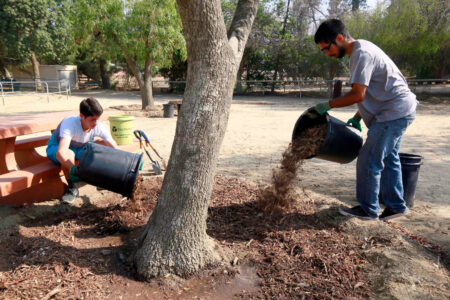
How to mulch your garden beds without harming plants