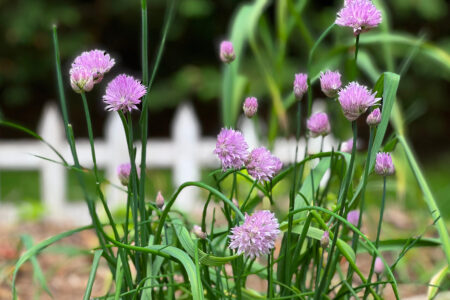
Cold spell threatens vegetables
It has been said that records were meant to be broken. However, one record that’s best left alone is record cold temperatures in spring.
Unfortunately, in the past few weeks record lows have been set a couple of times. Little could be done to stop it, and little can be done now that it has passed.
Cold temperatures will be noticed primarily in the vegetable garden because many gardeners planted tomatoes and peppers too early. Most people know that freezing temperatures damage plant tops. They assume that covering the plants will enable them to survive. The problem is that the roots are prone to cold damage as well. Tomato roots do not absorb nutrients and water well when soil temperatures are cool. When placed under the stress of cold weather, plants will start to show signs of nutrient deficiency. If you compensate by adding fertilizer, it may be too much fertilizer when soils begin to warm and plants will develop lush, succulent growth with few fruits.
Similarly, peppers may have early blooms injured by cool temperatures. This bloom injury sends a “signal” to the plant not to develop more blossoms right away. The result is a large plant with few peppers until much later in the season. Ideally, for both tomatoes and peppers, it is best to wait until the danger of a freeze has passed and soil temperatures are a consistent 55 degrees before planting.
The situation is not much different for fruit production. Fruit buds and cold weather do not go together. Generally, the more developed the fruit bud, the more likely it is to be damaged. For apple, pear, peach, plum, and apricot trees that are just finishing blooming, 26 or 27 degrees is cold enough to kill some of the setting fruit. This is not always bad.
Potted landscape plant material is not immune to cold damage either. Temperatures as low as 28 degrees can damage roots that are above ground in pots or are balled and burlapped. Unfortunately, this damage may not show up for months. When roots are lost, the plant has a hard time pulling up water and nutrients. This may not be apparent until late in the season when the weather turns hot and dry.
So pay special attention to plants that you buy now and keep them well tended in coming months. Keep in mind that if a newly purchased tree or shrub dies suddenly this summer, it may be a result of the spring freezes.
More established trees and shrubs are less likely to be damaged by the cold weather. However some things to look for are bark that is split or peeling, branch twigs that die back or leaves that shrivel and fall off. Many times, cold-damaged trees will grow new leaves and recover quickly. However, more severely damage trees may slowly start to decline through time. Weakened roots or damaged trunks prevent water and nutrients from flowing freely from the roots to the leaves and back. The result is a thin canopy that slowly declines. Time will tell what ultimately will happen to these plants.
Home and Garden
10 top performing new plants for this season
Flower gardens endure hot, dry summers better if you choose these plants
Debunking common garden hacks, quick fixes and myths

Douglas County Master Gardeners invites public to annual native plant sale
How to mulch your garden beds without harming plants