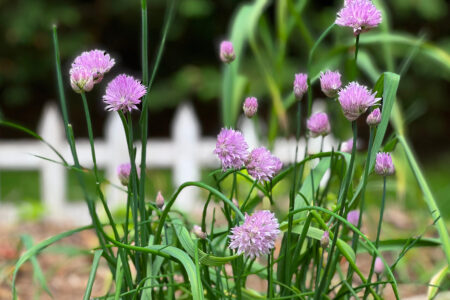
Gardeners should consider homegrown holiday dinner
As the garden season closes, it would be nifty to plan one meal to include as much as possible of what grew in the garden. Think of it as a celebration of the garden, a gardener’s Thanksgiving.
Let’s begin with a salad. With just a bit of protection, such as from an old blanket held up and over the plants with twigs stuck in the ground, lettuce is still fresh and crisp even in northern gardens. If you planted curly endive in July, the frilly heads are now large and spread low against the ground. Spinach that was sown toward the end of August is still fresh and green, and will remain so throughout mild winters. Even a frigid winter does no harm to the tender, spoon-shaped leaves of mache.
Round out that green salad with beets, carrots, and winter radishes, which can be picked from the garden all winter. A blanket of autumn leaves keeps them fresh through frigid weather.
Moving on to the turkey, or, rather, what you might have grown to eat with it: chestnuts for stuffing, cranberries for sauce. Although chestnut blight disease put an end to harvests of American chestnuts, other chestnut species and hybrids provide tasty nuts. You don’t need a bog to grow cranberries, just acidic soil enriched with peat moss, then mulched (sawdust is ideal) to keep it cool and moist. Rather than true cranberries, which are dainty, evergreen vines, you are more likely to be growing highbush cranberries. This large, relatively common bush is one of the ornamental species of Viburnum, and its red berries make a sauce that is very much like that made from true cranberries. The highbush cranberry thrives without any special soil treatment.
Other vegetables out in the garden stew into tantalizing side dishes or soul-warming soups. Above ground, it’s the cabbage family — kale, brussels sprouts, mustard greens, and, of course, cabbage itself that thrive in this cool weather.
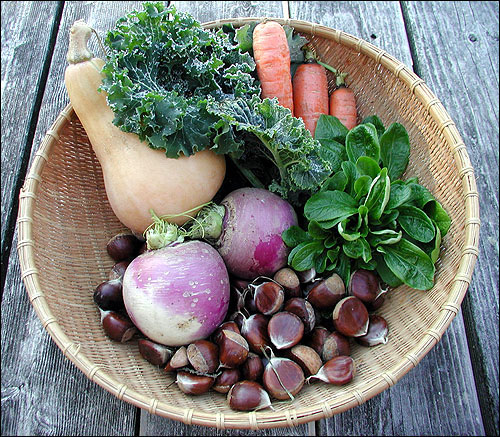
Making A homegrown Thanksgiving dinner is a perfect way to use much of what grew in the garden this year. Using the fruits and vegetables grown in gardens can add new flavor to salads, stuffing and desserts.
Below ground, there are parsnips, salsify, white potatoes and turnips.
Stored pumpkins or squashes could go into a main course pudding or, for dessert, a pie. Sweet potato would serve equally well.
So there you have it, a homegrown Thanksgiving dinner. Because every backyard gardener can grow such a wide variety of fruits and vegetables, there’s always some bounty to offset any losses due to weather, pests or poor planning.
Not a gardening year goes by that is not worthy of a harvest celebration.
Home and Garden
10 top performing new plants for this season

Flower gardens endure hot, dry summers better if you choose these plants
Debunking common garden hacks, quick fixes and myths

Douglas County Master Gardeners invites public to annual native plant sale
How to mulch your garden beds without harming plants