Mail-order gardening: How-to for the virtual shopper
While local nurseries and home-and-garden centers will never lose their appeal as popular places for gardeners to purchase seeds, bulbs, shrubs and garden tools, many would argue that garden catalogs and Internet sites are must-haves for today’s gardener.
More than 24.5 million American households will place orders with mail-order garden Web sites and catalogs this year, according to the Mailorder Gardening Association, spending nearly $3 billion — an average of $125 per household.
Garden catalogs have been around for more than a century, and time-tested favorites like Burpee and Jung Seeds have grown along with their customer base. Yet the past decade has seen a surge in virtual catalogs as well, which offer photos and up-to-date availability of seeds and bulbs.
The Internet takes gardening to a new level. Sites offer tips and information, serving as platforms for gardeners around the world to “talk” with one another.
For example, Dave’s Garden (www.davesgarden.com) is an online community for gardeners. It hosts live discussions and forums as well as a plant database and definitions for more than 2,200 gardening terms.
Specialization is a fairly new offshoot of mail-order gardening. A simple Google search yields companies that specialize in everything from seeds for specific climate zones to heirloom varieties.
The benefits of mail-order gardening are obvious: greater selection, competitive prices and the convenience of ordering from home.
“There are a lot of reputable mail-order companies out there, and you’ll often find a much greater variety than you would in your local garden store,” says Chris Dawson, landscape designer and host of Home & Garden Television’s “The Seasoned Gardener.” “While locally you might be able to find 20 or 30 varieties of roses, through mail-order catalogs you could find 1,000 or more.”
There are other benefits as well: The plethora of information, advice and photos on gardening Web sites and in catalogs provides inspiration to many green-thumbed consumers.
But what you see is not always what you get.
“What may look like a good deal is not necessarily one,” says horticulturist Maureen Gilmer, host of “Weekend Gardening” on DIY-Do It Yourself Network. Advertised “deals” on bulbs and roots may not be the best option, as mail-order suppliers often ship roots and bulbs in smaller containers than those sold in your neighborhood nursery.
Gilmer advocates purchasing seeds and other gardening necessities through reputable mail-order catalog companies, but says, “Don’t buy mail order if you can buy locally.”
If you would like to order from a new company this spring, the National Gardening Association offers the following tips:
— Place a small test order to verify the quality of the product.
— Carefully inspect how the product is packed, shipped and received.
— Talk to the company’s customer service department, asking questions to gauge how consumer-friendly they are.
HGTV’s Chris Dawson adds, “Most reputable companies offer a guarantee, so if you’re not happy with what you get, say so.”
Avid gardener Connie Krochmal, of Garden Catalog Profiles, a software garden catalog, says buying by mail requires nothing more than common sense. Phone numbers, e-mail and mailing addresses should be readily available, and someone should be happy to take your order and answer questions.
Understand the company’s guarantee and beware of advertised “incredibly low prices.” Catalogs and Web sites should list the bulb or plant’s age, size or container size. Seeds should be sold by either weight or count.
“Purchasing live goods over the Internet and via catalogs boils down to three criteria: quality, shipping and customer service,” says Rose Getch of the National Gardening Association. “Once you find a company that delivers all three, you’re set.”
An easy way to gauge the quality of a mail-order nursery or seed company is available online. At Garden Watchdog, you can search 3,151 gardening vendors and view their customer-satisfaction rating. The 20 most popular mail-order gardening sites are listed on the home page, and you can post your opinion for other consumers.
Above all, says Dawson, have fun with your shopping experience.
“There are definitely a lot of interesting and quality products you can find online.”
Dawson, for one, is thrilled with a solar-powered fountain he ordered that is now part of a birdbath in his backyard.
“I had been looking for something exactly like this,” he says. “It was only available online.”
Home and Garden
10 top performing new plants for this season
Flower gardens endure hot, dry summers better if you choose these plants
Debunking common garden hacks, quick fixes and myths

Douglas County Master Gardeners invites public to annual native plant sale
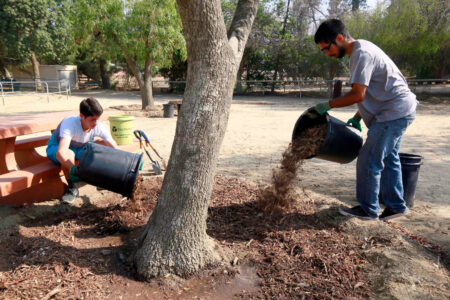
How to mulch your garden beds without harming plants