Lawrence Public Library’s board approves 2027 budget with 0.4 mill tax rate increase; leader cites rising health insurance costs

photo by: Shawn Valverde
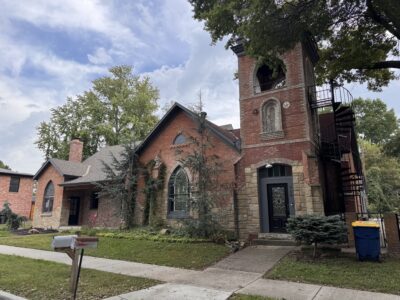
File photo of the Lawrence Public Library on Friday, July 26, 2024.
In part because of rising employee health insurance costs, the Lawrence Public Library’s Board of Trustees has approved a 2027 budget that would raise its mill levy from 4.1 to 4.5 — the maximum mill levy it can approve under city ordinance.
The operating budget, which the trustees approved unanimously on Monday, would allow the library to add $940,000 through the mill levy increase. The tax-funded portion of the library’s 2026 budget was just under $7 million, while the tax-funded portion for 2027 would be about $7.9 million. With fees and other funding sources taken into account, the library’s 2027 budget totals $8.1 million.
Brad Allen, the library’s executive director, told the board that 4.5 mills was the largest possible mill increase the library could do under the city’s rules. A city charter ordinance limits the property tax rate for the library to 4.5 mills, as the Journal-World has reported. Allen said the library had kept the mill rate flat for several years, and that he tried to craft the 2027 budget with a flat mill rate, but “there wasn’t enough to cut” to cover an increase in employee health insurance costs.
Budgeting for those costs is tricky, because the library doesn’t yet know how high the insurance costs will be for part of 2027. What the library does know is that over the past budget year, the costs went up by about 21%. Allen said the 2027 budget would allocate enough funds to cover an estimated 15% to 20% increase in insurance rates for the part of the year the library doesn’t know.
Allison Mazzei, a board member, said that she felt it was a “smart move” to estimate higher insurance costs than lower; she thought those costs would continue to “skyrocket” into next year.
The 2027 budget would allocate $950,000 for employee benefits. That would be 11.76% higher than last year’s amount of $850,000, and higher still than in 2023, when the library’s total allocation for benefits was $490,000.
When Allen asked the library’s insurance representative whether there were ways the library could save money, Allen said the representative told him the library’s current insurance option was actually “better and cheaper” than what other organizations have.
“We were riding a wave of good luck and low costs for a long time,” Allen said. “It’s catching up with us now.”
The 2027 budget would also allocate $564,000 to the Capital Improvement fund for large projects; state law allows libraries to transfer up to 10% of the money they receive from local taxes to that fund. As the library is finalizing its master plan this year, Allen said the extra money would put the library in a better spot to “make decisions on capital projects years down the road.”
Other factors that led to the budget increase included employee pay increases, increased costs for digital collections content such as e-books, and increased software and technology costs.
Other News

Clinton State Park and other state parks will increase overnight camping, vehicle permit fees starting next month
‘No day is like the other here’: Students from Lawrence’s German sister city discover football, new foods and new friends on exchange
GCSAA celebrates 100 years with new plaza and statue honoring its founder and first president

Go, See, Do: Library book sale, candidate forum and more

Gas station at Lawrence’s new Costco will be open starting next Wednesday