After hearing pushback from residents, Lawrence city leaders take no action on proposed changes to public comments at meetings
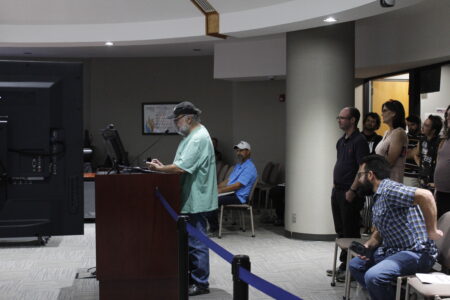
photo by: Austin Hornbostel/Journal-World
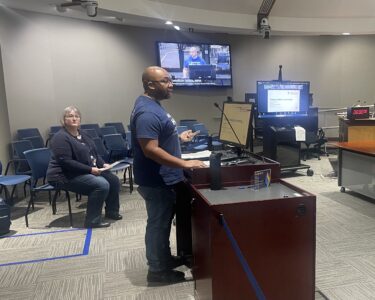
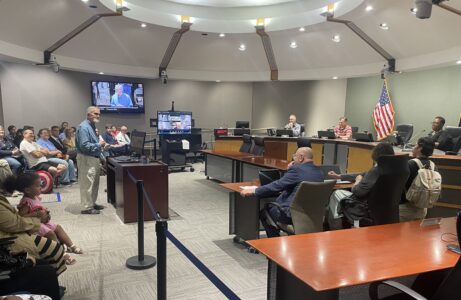
Members of the public line up to share public comment during the Tuesday, Aug. 8, 2023 Lawrence City Commission meeting.
Lawrence city commissioners took no action Tuesday on a set of proposed changes to how they handle general public comments during their weekly meetings — after hearing ample pushback from members of the public about even considering such changes in the first place.
More than 20 members of the public spoke at the meeting against the proposed changes, which included moving the public comment period to the end of the meeting and only hearing general public comments at one meeting per month. By the end of Tuesday’s meeting, commissioners had not come to any consensus about what, if anything, to change, and Mayor Lisa Larsen told city staff she wasn’t expecting the changes to return to the agenda in the near future.
Many of the people who spoke against the changes denounced them as counter to democracy and expressed concerns about unintended consequences of moving the public comment period to the end of the meeting agenda. One reason mentioned was the disproportionate impact on residents who rely on Lawrence’s bus system, because City Commission meetings routinely end at 10 p.m. or later and bus routes stop running far earlier in the evening.
In addition, ahead of Tuesday’s meeting, more than a dozen people had already sent emails urging commissioners against making any of the proposed changes to how the general public comment period is handled.
“I don’t think right now is the time,” Commissioner Amber Sellers said. “There’s too much energy in the room right now that’s not good energy, and democracy was brought up a lot tonight. If the people believe that their democracy is being threatened, that to me signals conversation and engagement about education of democracy.”
A few of those messages called on commissioners to instead provide more opportunities to hear from members of the public; for example, they suggested limiting the general public comment period at the beginning of the meeting to 30 minutes, then providing a second comment period toward the end of the meeting to allow for a chance for further input that there wasn’t time for during the first window. That’s an idea that generated some discussion among commissioners, and Bart Littlejohn said he was interested in exploring it further.
Some members of the public, both before the meeting and in person Tuesday night, wondered why commissioners would consider taking any action that limits the public’s ability to share their concerns now, especially considering the many speakers who over the past few months used the comment period to urge city leaders to draft and pass an ordinance declaring Lawrence a safe haven against anti-LGBTQ+ legislation. The City Commission heard three hours of public comment from more than 70 residents on the topic less than two months ago in late June, and within about a month had adopted the safe haven measure, Ordinance No. 9999.
Others suggested that it might be time for commissioners to consider how many times they should meet each month. As it stands, the City Commission conducts meetings on the first three Tuesdays of each month.
The only commenters to speak in support of changes to the general public comment period were two leaders with Lawrence’s chamber of commerce: CEO Bonnie Lowe and Vice President of External Affairs Hugh Carter.
The general public comment period is typically reserved for items that aren’t scheduled for discussion on the regular agenda, according to the city’s rules. That applies to the recently passed safe-haven ordinance and any number of other topics “germane” to the city’s business.
City leaders did make one change that affects the public’s ability to comment on items listed on their meeting agendas last week, when they approved a resolution that restricts the ability to pull most items from the commission’s consent agenda for further discussion to only commissioners. Previously, members of the public could do that whenever they wished, too. Items on the consent agenda are generally considered routine and can be approved by one vote from commissioners without any discussion.
City Government
Lawrence City Commission to weigh whether Costco should be included in STAR bond district
As they approve bikes plan, Lawrence city leaders ask about data collection, Kentucky and Tennessee streets
Lawrence city leaders want to toughen tobacco licensing rules ‘sooner than later’
Algerian government invites Mayor Brad Finkeldei, Lawrence delegation for a visit
Construction on Wakarusa Drive to resume; city manager says KDOT’s secretary has apologized for delay