Lawrence City Commission votes to raise all 3 utility rates; average bill will increase to about $115 per month
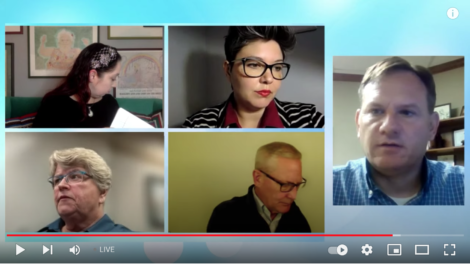
photo by: City of Lawrence
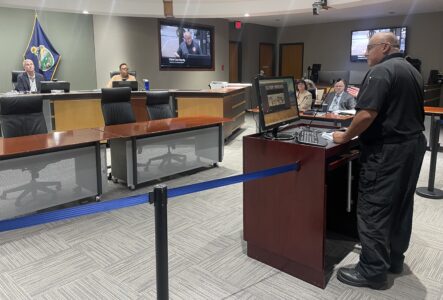
The Lawrence City Commission votes as part of its meeting Nov. 16, 2021, to increase utility rates.
Citing a need for utility infrastructure maintenance, Lawrence city leaders have voted to increase all three city utility rates, bringing the average monthly bill to approximately $115.
As part of its meeting Tuesday, the Lawrence City Commission voted 5-0 to approve an approximately 6% overall increase to the average household’s utility costs, which comprise the city’s rates for water and sewer, storm water and solid waste service. While commissioners said they recognized the impact of the rate increases on residents, they agreed that the city needed to address aging utility infrastructure.
“Obviously raising rates is never easy, but I think we have lots of work in the infrastructure realm that we have to work on, water (and) wastewater in particular,” Mayor Brad Finkeldei said.
Municipal Services and Operations Deputy Director Mike Lawless spoke to the commission ahead of the vote about several upcoming utility projects. Those included projects at the city’s two water treatment plants, which Lawless said are 40 and 60 years old and in need of maintenance for regular wear and tear as well as regulatory-related upgrades.
The rate increases represent an approximately $75 annual increase to the average utility bill for a household using 4,000 gallons of water per month, or about $6 more per month, according to data in a city staff memo to the commission. Collectively, the proposed increases will bring the average household’s utility bill from about $109 per month to about $115 per month.
A survey conducted as part of the city’s budget process this summer indicated the majority of respondents were concerned about rising costs for Lawrence residents, including rising city utility bills. One public commenter said Tuesday that utility rates impacted low-income residents with less disposable income the most, and asked commissioners if they were going to increase contributions to the city’s utility assistance fund at a proportionate rate.
The city has a program that provides discounted utility rates, but that program serves only residents age 60 and older with very low income. The city also recently created an additional assistance program for low-income residents regardless of age, but that program is currently funded entirely by donations from other utility customers, and so far only 30 people have signed up to donate.
Utility Billing Manager Kristy Webb said the donation-based program was scheduled to start accepting applications in January. Webb noted there are also state programs that have been providing utility assistance to renters amid the coronavirus pandemic, and another program for homeowners is expected to launch next year.
Commissioner Lisa Larsen asked if there was any consideration for “shoring up” the city’s donation-based program with funding from the city’s general fund, and Webb said there had been some discussion of that possibility. Larsen, mentioning the two water plants, said providing funding for those and other utility infrastructure projects was important. However, she said she also wanted to make sure there was support for residents who needed it and that she was open to discussions in that regard.
“We’ve got two plants that are 40 and 60 years old that need significant attention, and that’s just the tip of the iceberg on some of the infrastructure items that we’re trying to address that maybe haven’t had the attention that they needed historically, and we’re working on that,” Larsen said. “But I also want to make sure that we have an adequate safety net available for those who do struggle financially to pay utility bills.”
Commissioner Jennifer Ananda said she thought the utility assistance program was an essential part of the rate increases, and she hoped more people who were able to donate would do so. Ananda, Vice Mayor Courtney Shipley and Commissioner Stuart Boley all also spoke to the need for the city to address deferred maintenance.
Specifically, commissioners approved a 7.5% rate increase for water and sewer, a 4.5% rate increase for storm water and an overall 9.5% rate increase for solid waste service. The rate increases for solid waste service vary for different customer types. Single-family homes would see a 3% increase in rates as part of the proposal, while the varying rates now in place for multifamily homes would be replaced by a new multidwelling rate of $16 per month. Rates for commercial solid waste collection, such as the rates for businesses or dumpsters, would also increase.
The current increases continue rate increases of recent years. From 2015 to 2021, the typical utility bill has increased from about $77 per month to about $109 per month, according to past city budget documents. That equates to about a 42% increase in city utility rates since 2015, or an average of about 7% per year over that time period.
The city’s three utility funds are enterprise funds, meaning the rates charged to residents are set to cover the personnel, maintenance and other costs of operating the utility service. Budget Analyst Rodrigo Acevedo told commissioners that key variables in the rates were infrastructure costs, personnel costs, weather for water and sewer rates, and recycling markets for solid waste rates. Acevedo said the city was working on a multiyear rate model for all three rates for upcoming years and would bring that information back to the commission in the spring.
City Government
‘We have to move forward’: On 3-2 vote, Lawrence City Commission approves budget with 1.4-mill hike

Manufacturer opens new production facility, adds 30 jobs in Lawrence industrial park
Lawrence City Commission set to take its final vote on budget next week; current proposal has a roughly 1-mill property tax rate increase
City manager says renovating Lawrence’s Fire Station 3 instead of relocating it could save millions of dollars
Incentive request for 341-unit apartment complex near KU Innovation Park wins City Commission approval