Lawrence commission approves funding for police dogs
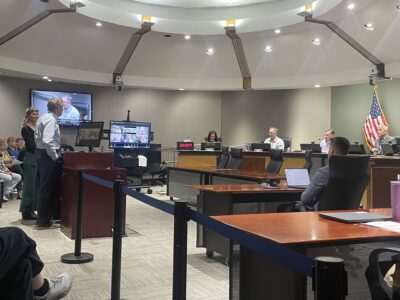
The Lawrence Police Department should have two police dogs on the street this spring, after the City Commission approved creating a K-9 unit Tuesday night.
Commissioners voted unanimously to fund the new police unit at an estimated cost of $36,000. The cost includes $19,000 to purchase two dogs, plus equipping vehicles for them and paying for their vet bills and food.
Of Kansas’ 10 largest cities, Lawrence is the only one that doesn’t already have its own K-9 unit, Lawrence Police Officer Shawn Gross said during a report to the commission.
Dogs are a valuable crime-fighting tool, he said, but Lawrence has depended on calling in dogs from neighboring law enforcement jurisdictions when they are needed, which can take 45 minutes to a couple of hours if the dogs are available at all.
“They’re not a luxury for a city of our size,” Gross said.
The police department’s next step will be to conduct interviews and select which of its officers will serve as handlers for the dogs, Lawrence Police Chief Tarik Khatib said. Then, police will travel to a Texas breeder used by the Kansas Highway Patrol’s Police Service Dog Unit to choose and purchase two dogs. The officers and dogs will attend the Highway Patrol’s K-9 training academy in March.
Rather than purchase new vehicles for the two K-9 units — at an estimated cost of about $126,000, this more expensive option was shot down by the commission — the police department will retrofit two existing fleet vehicles for the dogs.
After a proof of concept period, if the program appears successful, the police department could request resources to grow it, possibly to five dogs, Khatib said.
Khatib said he was excited about the dogs, calling them an important new tool for the police department.
No technology can match a dog’s sense of smell, Gross said. Trained police dogs can help find and apprehend crime suspects, recover evidence, locate drugs and help find lost children or mentally disabled adults.
Gross said dogs also can reduce instances of police force — suspects afraid of dogs are more likely to surrender than become combative with an officer — and also act as public ambassadors for the police department.
A police dog could be used in about 26 percent of the Lawrence Police Department’s calls for service, Gross said. But in 211 cases they were requested from April to November of last year, neighboring dogs could only respond 53 times.
Gross said sometimes police don’t request them at all because they would take too long to be useful.
He cited several incidents from the past year where a fleeing suspect went free or a ditched firearm unlocated for hours when a dog presumably could have located either one in short order.
“Imagine who might have found that gun first,” Gross said.
City Government

Opinion: Local government made a small mistake. Taxpayers shouldn’t be on the hook to fix it

As club cancels ‘Beetlejuice’ screening at Oak Hill, city says there are no specific rules about events at cemeteries
Opinion: An $80 million Hail Mary that combines Costco and Lawrence’s love of trails
Lawrence Police Department receives KDOT’s top traffic safety award for second straight year
Lawrence City Commission approves extra layers of oversight for data centers, asks for patience on further regulations