City boards approve new guidelines limiting bedrooms, parking in homes near KU
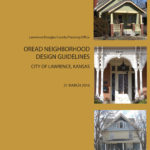
Oread Design Guidelines, March 21, 2016
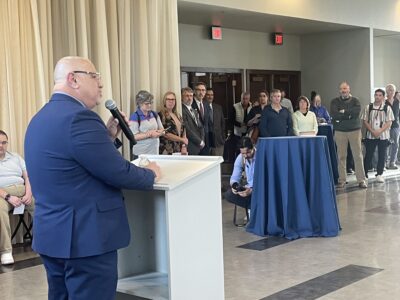
Two city boards unanimously approved new design guidelines for the Oread neighborhood Monday, though rental property owners in the area said the rules would make home renovation unappealing.
The Oread Neighborhood Design Guidelines, a 132-page document, outlines in detail how architecture, landscaping and parking should look with new projects or redevelopments to keep with the neighborhood’s historic character. But much of the hours-long conversation Monday focused on two fine points: stacked parking and zoning that would limit the number of residents in each home.
Paul Werner, of Paul Werner Architects, and Matthew Gough, an attorney representing multiple rental property owners in the neighborhood, said the changes would stymie renovations of historic homes. They pointed to the new rules, saying they would decrease the number of bedrooms developers could add into the homes and the parking they could offer residents.
“If someone is faced with a renovation that would cause them to lose occupancy, guess what? They’re not going to do the renovation,” Gough said. They’re going to do everything they can to keep the occupancy they have.”
After some talk about creating an exception for duplexes that would allow them to maintain the same number of bedrooms, even during large renovations, Lawrence’s Historic Resources Commission and the Lawrence-Douglas Planning Commission decided against it.
“Duplexes are not what duplexes used to be; they’ve grown,” planning commissioner Jim Carpenter said. “I’m having a hard time giving special protection to those… I think that goes against the original intent of starting these guidelines in the first place.”
The guidelines cover the area from Ninth Street to the north and 17th Street to the south. The area surrounds part of the Kansas University campus, with Massachusetts Street as the east boundary and Arkansas Street as the boundary to the west. They were created to make the neighborhood look and feel like it did between 1877 and 1945, before some of the old homes were split into apartments for Kansas University students.
The guidelines split the neighborhood into five districts. The highest-density district, which hugs the east side of the KU campus, allows 16 residential units per acre. Other districts allow seven to 15 units, and the low-density area, north of Memorial Stadium, allows six or fewer.
Candice Davis, speaking for the Lawrence Association of Neighborhoods, was in opposition to allowing rental property owners to keep the same number of units during renovations even if they went against the new guidelines.
“The high density has created conflict due to the single-family nature of the neighborhood,” Davis said. “The conflict has gone on; there’s been a push-and-pull for a lot of years. The design guidelines were implemented to help inconsistencies.”
Commissioner Julia Butler agreed, saying she’d like to see the neighborhood “get back to what its intended use was.”
“Super big dwelling units with a lot of people in them are popping up,” Butler said. “I’m glad we have a lot of students going to KU, and they all need housing, but I don’t think that’s an appropriate use.”
Both commissions also decided Monday to omit stacked parking from the guidelines.
Werner had asked that it be included as an option, saying the previous renovation of a 14-bedroom home on Ohio Street, across from Jayhawk Cafe, wouldn’t have been completed if the city hadn’t allowed stacked parking spaces.
“It’s an older home; it’s a killer house; it looks great,” Werner said. “It cost a fortune to do the work, and it would not be possible if we didn’t double-stack the cars.”
Commissioners reiterated that developers could go through an appeals process to get special permission for stacked parking or to maintain the number of units in a renovated home. Those appeals would first go to the Historic Resources Commission, and then the City Commission. Developers could then take the case to district court.
The City Commission will make the final decision on the Oread guidelines.
Planning commissioner Bryan Culver asked that city commissioners talk more about how to protect the rights of those who own rental properties in the neighborhood.
City Government

Lawrence Transit’s sales tax is ‘critical,’ its director says, and an increase could be on the ballot in November
New question arises around Rock Chalk Park trails: Why are nearly 2 miles of them missing?

City of Lawrence enters negotiations with a city manager candidate; announcement could come next week

Lawrence Outdoor Aquatic Center’s opening delayed until June 1 as renovation work continues
Part of soccer photo collage at Lawrence City Hall was pulled down during storm, but city says it will be back up soon