KU seeks state funds for institute to foster discovery, development of vaccines and drugs
As Kansas University pharmaceutical chemistry professor Wendy Picking knows firsthand, the process of getting a vaccine or drug from science lab to people and animals in need is long, costly and involves many entities.
If the process falls off at any step, even amazing scientific discoveries might wither in a lab instead of being developed and manufactured into doses that can prevent or combat disease.
Picking has been researching shigella since 1993 and says there’s still years to go before a vaccine for it could save lives.
Bringing entities together to boost research and continuity for work like Picking’s is the goal of the proposed Kansas University Drug and Vaccine Discovery Institute.
Getting $5 million to establish and grow the Institute is one of KU’s top three priorities for the 2015 Legislative session, and one the university says is critical to maintain its reputation as a “global power” in pharmaceutical science in an increasingly competitive environment.
The Drug and Vaccine Discovery Institute, or DVDI, would consist of two units. One, the Translational Chemical Biology Institute, would focus on treatment of diseases. The other, the Kansas Vaccine Institute, would focus on prevention and was established in a fledgling form last summer in the School of Pharmacy.
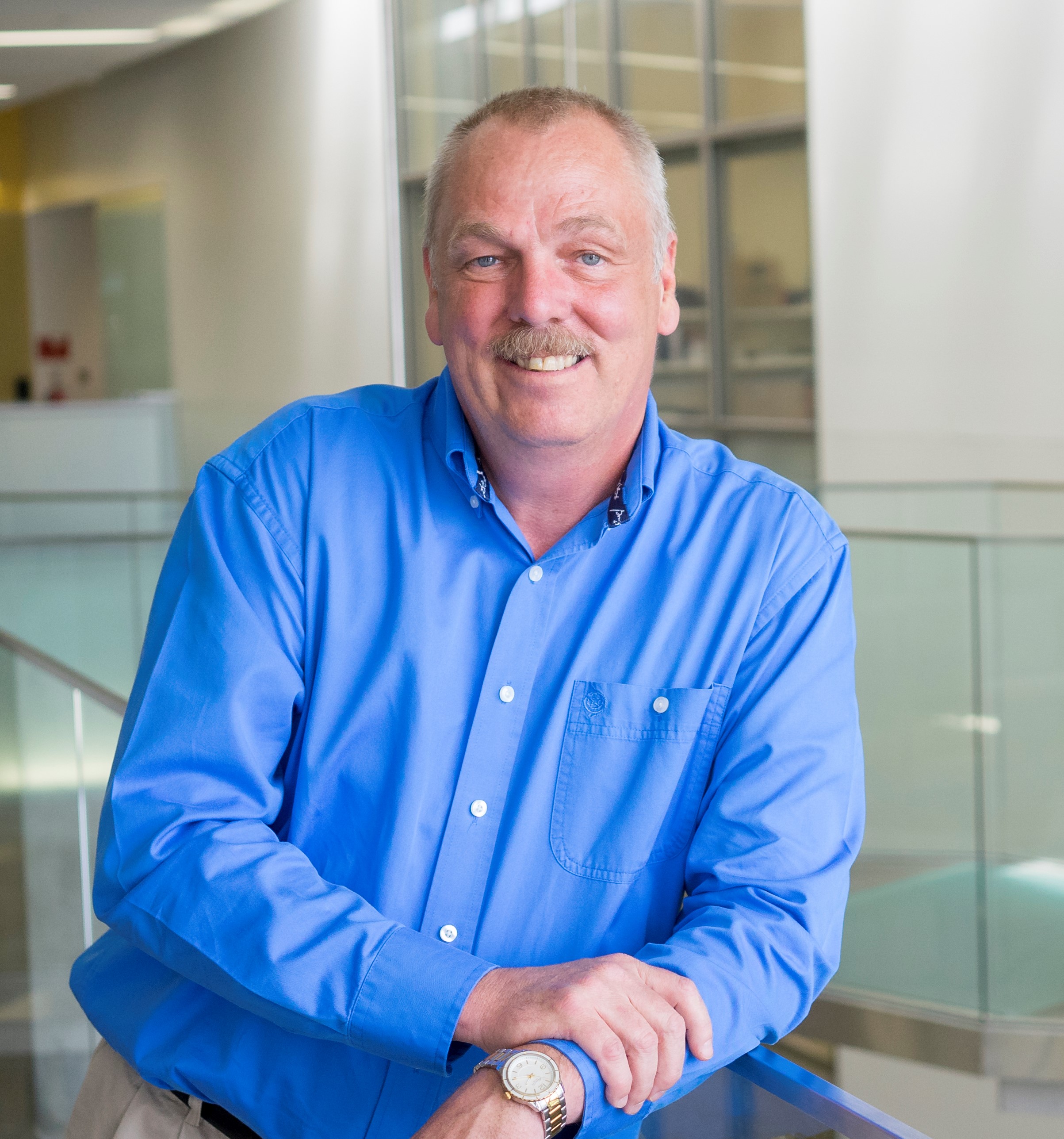
Bill Picking
“We’re trying to reach out and build bridges across the state,” said Bill Picking, Kansas Vaccine Institute director, foundation distinguished professor in pharmaceutical chemistry and Wendy Picking’s husband. There are people working on vaccines and cures “but there’s nobody that’s trying to bring it all together to push these things forward.”
Regional ‘complement’
Businesses are doing less and less in-house research, instead looking to academia and startups for that research, said Wayne Carter, president and CEO of the Kansas City Area Life Sciences Institute, one organization that would likely work with the KU DVDI.
At the same time, he said, National Institutes of Health dollars to fund research are harder and harder to come by.
“Because of that, the more opportunities we can create for our academic institutions to work with and partner with industry to develop technology and to develop vaccines, that’s a win-win,” Carter said.
Carter said his group focuses on human and animal health and works with universities, hospitals, non-profit research institutes and businesses across the Kansas City Animal Health Corridor. The corridor stretches from Manhattan to Columbia, Mo., and claims to house the largest concentration in the world of animal health companies.
Carter said he thinks it’s strategic for KU to capitalize on what’s going on in the region, including the Animal Health Corridor and the National Bio and Agro-Defense Facility the federal government is building in Manhattan.
Carter said keeping “great, hard-core researchers” and vaccine experts like the Pickings in connection with other entities is complementary to the regional efforts.
“They really fulfill a key component of what’s needed to advance technologies,” he said.
Teaming up
Tom Prisinzano, professor and chair of KU’s department of medicinal chemistry, works in the area of translational chemical biology.
He said research areas often overlap — for example, if molecular bioscientists find something they think might be useful for a therapeutic drug, they would need help from experts in therapeutics in order to actually create that drug — and that’s where the DVDI could help.
“It would bring these people together, to have an opportunity for basic research discoveries at KU being able to be translated,” Prisinzano said.
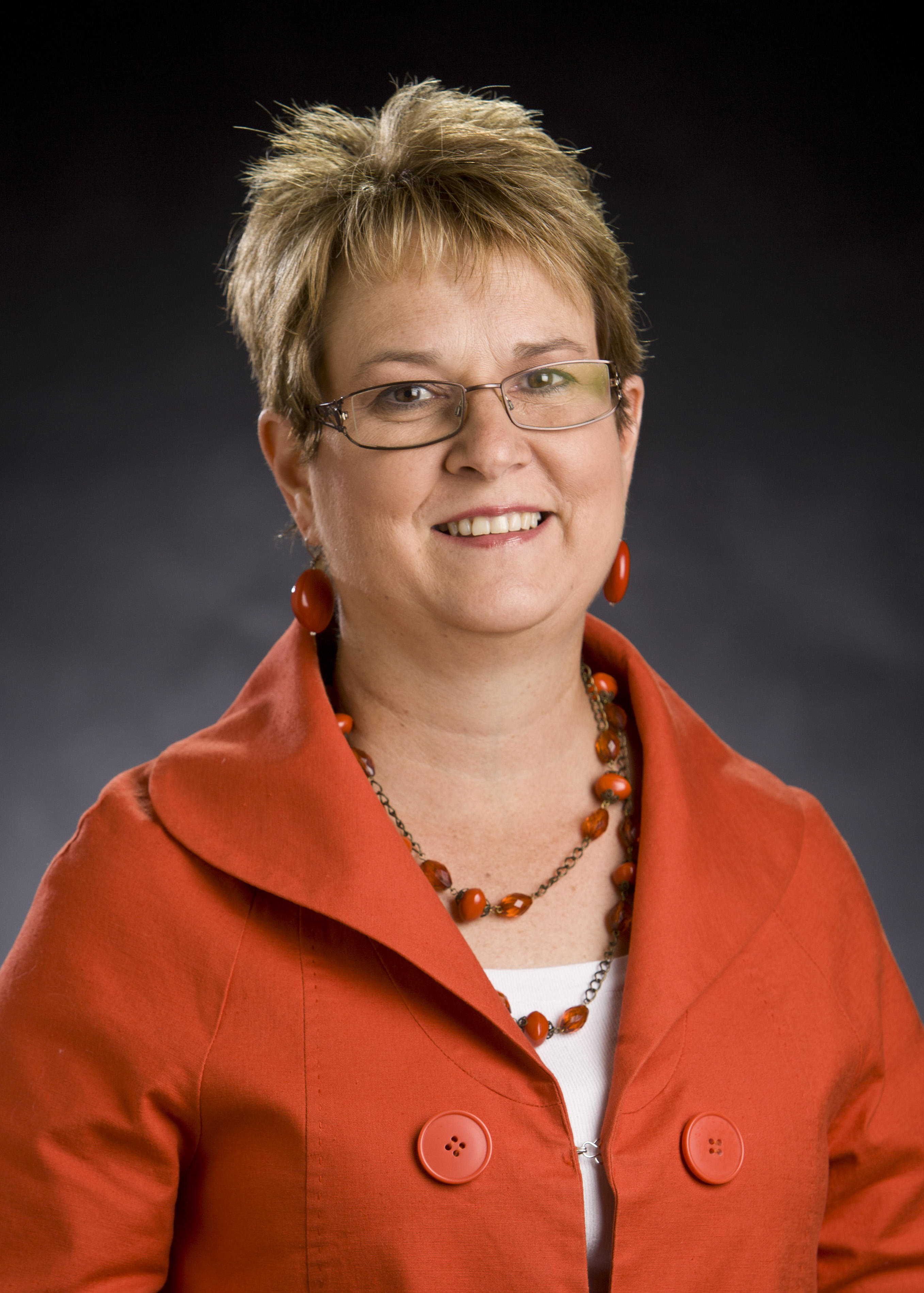
Wendy Picking
Wendy Picking’s work on a shigella vaccine illustrates the lengthy lab-to-syringe process.
She started researching shigella — a dysentery-causing micro-organism that is the leading cause of mortality and morbidity in kids age 2 to 5 in the developing world — in 1993. About eight years ago it became apparent they’d identified a candidate for a vaccine. They’ve now proven it works in mice and are waiting on the first phase of clinical trials to begin in humans. The second phase of human testing will take another couple years, she estimated. After that, the vaccine would be manufactured and would need funding — likely from a charitable foundation — to pay for it to be deployed for use in developing countries.
Another ongoing project of Picking’s is a vaccine for salmonella, which she said would most likely be given to animals in the United States, thus preventing salmonella in people who in the past have gotten it from eating infected animal meat or eggs.
There are other research projects in the works, the Pickings said, but money would enable more progress.
Hope for funding
KU touts the DVDI as an effort that will not only improve human health but also benefit the Kansas economy by fostering KU partnerships with pharmaceutical firms, encouraging companies to locate in Kansas and creating startup companies.
The Institute would complement work at the Midwest Stem Cell Therapy Center, which focuses on generating stem cells for therapeutic use, according to KU. By exploring complementary techniques, KU can strengthen its position as a top international innovator in fighting human disease.
“Other flagship and AAU (Association of American Universities) universities have made recent large investments in drug and vaccine development, in spite of declines in federal funding,” KU wrote in its 2015 State Agenda. “Continued success in these areas requires a strong partnership with the state. Without state support to sustain and enhance discovery and growth, the prior investments and the leadership position we have established are vulnerable to competitors.”
Kansas faces exceptionally large budget problems this year.
Bill Picking said he knows asking for $5 million for the DVDI in a year like this is asking a lot. He said that if funding isn’t granted this year that the hope is to raise awareness of the DVDI in hopes of securing the money in the future.
City Government
Opinion: An $80 million Hail Mary that combines Costco and Lawrence’s love of trails
Lawrence Police Department receives KDOT’s top traffic safety award for second straight year
Lawrence City Commission approves extra layers of oversight for data centers, asks for patience on further regulations
Lawrence to participate in program that helps nonprofits rehabilitate abandoned properties as affordable housing
Lawrence’s first bike lanes with physical barriers are installed on Ninth Street