

Sale of bonds for Bowersock’s hydroelectric plant on north bank of Kansas River to close next week
A project to build a $25 million hydroelectric power plant on the north bank of the Kansas River is on the verge of becoming a reality.
Sarah Hill-Nelson, an owner of the Lawrence-based Bowersock Mills & Power Co., confirmed Monday that the company has found buyers for all the necessary bonds it needs to build a new plant near the northern end of the downtown Kansas River bridges.
“It is not over till it is over, but we’re now anticipating to begin construction very shortly,” Hill-Nelson said.
Financing has been the largest hurdle for the project, which was announced in 2009. The company has received the necessary federal permits to build the plant, which will operate in tandem with Bowersock’s existing plant on the south bank of the river. In November the company reached a long-term deal for the Kansas City, Kan., Board of Public Utilities to buy all the power from the plants.
But finding buyers for the nearly $25 million in bonds had been problematic as large institutional investors hadn’t taken the time to research the project. But Hill-Nelson said the project received a boost when the Securities and Exchange Commission ruled that qualified individual investors would be allowed to directly purchase the bonds. That allowed the project to court more regional investors.
City leaders on Monday were pleased to learn of the bond deal, which is scheduled to close March 11. They said the new “landmark” power plant building will help market Lawrence as a community that wants to be a player in the green energy market.
“In terms of a per capita basis, we’re going to be producing as much renewable energy as any community in California,” said City Commissioner Aron Cromwell.
The plant will produce enough electricity to power about 5,400 homes. The city of Lawrence will act as an issuer for the bonds, but won’t have any financial responsibility to repay the bonds. Private bond buyers are financing the project, but buyers will receive tax breaks that were part of the federal stimulus program, Hill-Nelson said.
State Government

Over 100,000 Kansans yet to receive state tax refunds; Department of Revenue says staffing issues contribute to delays
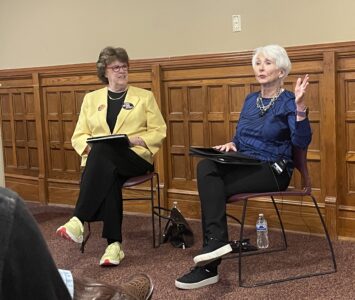
‘If it ain’t broke, don’t fix it’: Retired Judge Sally Pokorny tells residents why she opposes electing Supreme Court justices
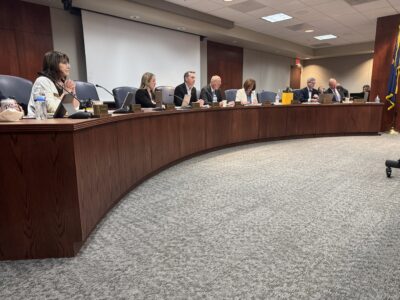
KU professors would be limited in how they could present the idea of systemic racism in future classes
State legislators push back against federal energy regulators ending competitive bids
TOPEKA — Two Kansas legislators asked federal energy regulators to ensure competitive bidding occurs on ...
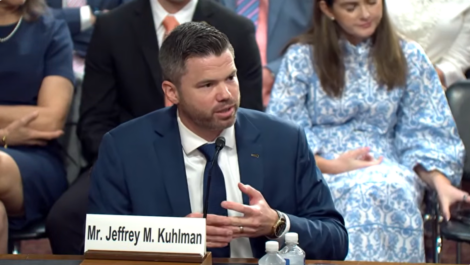
Senate confirms 1st of 3 Kansas nominees to U.S. District Court
Corporate income tax collections falling sharply in Kansas; Republican, Democratic leaders disagree on what it means
TOPEKA — Corporate income tax collections in Kansas have almost halved since last year, while other sources trend ...