

Kansas’ dental needs go unfilled
Topeka ? Poor and rural areas of Kansas are suffering from a shortage of dentists.
The state has 1,367 dentists – or about one dentist for every 2,557 residents, according to a report released this month from the Kansas Department of Health and Environment. Only 17 other states have fewer dentists per capita.
The lack of dentists is causing some people to go without proper dental care, particularly in rural areas and low-income neighborhoods, according to the report, entitled the Kansas Oral Health Plan.
“There are a few counties in Kansas that don’t even have one dentist,” said Glenn Hemberger, a pediatric dentist in Johnson County and president of the Kansas Dental Association. “There’s not enough patients out there to really make it realistic for a dentist to do well.”
The shortage of dentists in low-income areas is exasperated by low compensation rates for dentists serving Medicaid patients.
Possible suggestions for fixing the problem include helping dental graduates willing to open a practice in rural areas with student loans and improving Medicaid reimbursement rates. Some also have proposed allowing local communities and business groups to help dentists settle in challenged areas by offering tax breaks or funding to defray the cost to the dentist.
Some help for underserved Kansans is already being provided through grants, charitable help and even giveaways.
An annual event called the Kansas Mission of Mercy is one example. Dentists who donated their time earlier this year in Topeka provided 1,815 patients with more than
$1 million in free dental services.
“We are working to find innovative ways of getting care to underserved people,” said Kevin Cassidy, president of the Kansas Dental Charitable Foundation, which runs the massive charity clinics. “But it’s not dentistry’s job to fix this problem alone.”
State health officials want dental care to be part of the health care reform discussion that is expected when the Legislature reconvenes in January.
“It is time that we recognize that good oral health is essential to protect overall good health,” Kansas Health and Environment Secretary Rod Bremby wrote in a letter accompanying the Oral Health report. “As is true with many serious health problems, poor oral health is most common in our most vulnerable citizens, including very young children, those living in poverty, the elderly and racial and ethnic minority groups.”
State Government
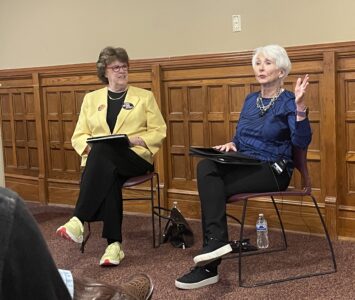
‘If it ain’t broke, don’t fix it’: Retired Judge Sally Pokorny tells residents why she opposes electing Supreme Court justices
KU professors would be limited in how they could present the idea of systemic racism in future classes
State legislators push back against federal energy regulators ending competitive bids
TOPEKA — Two Kansas legislators asked federal energy regulators to ensure competitive bidding occurs on ...
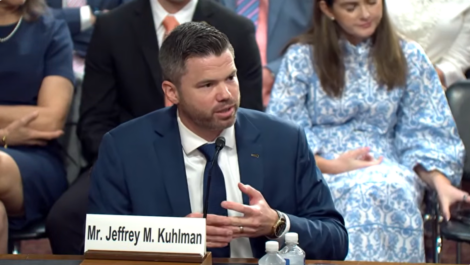
Senate confirms 1st of 3 Kansas nominees to U.S. District Court
Corporate income tax collections falling sharply in Kansas; Republican, Democratic leaders disagree on what it means
TOPEKA — Corporate income tax collections in Kansas have almost halved since last year, while other sources trend ...
Candidate’s campaign manager created website with documents used to attack rival
TOPEKA — Kansas U.S. Senate candidate Patrick Schmidt’s campaign manager left his digital footprint on ...