

University of Missouri in Kansas City plans campus transformation
Kansas City, Mo. ? The University of Missouri-Kansas City has unveiled plans for a major expansion and renovation that officials hope will raise the school’s profile and entice more students to live on campus.
The first phase of the plan would spend more than $350 million on 11 new or expanded facilities on the university’s two campuses in the next three years. After that, the university envisions spending another $220 million on new facilities within seven years.
The three-year plan includes more student housing, new convocation and athletics facilities, an expanded library and a new student union. It also proposes building a hotel and conference center, retail development, new quarters for the pharmacy and nursing programs and a central air-conditioning plant for the midtown campus.
The seven-year plan would add a conference and wellness center with recreation and dining facilities, professional office space and clinical and research facilities on the university’s Hospital Hill campus, with parking and a new conservatory of music and dance on the midtown campus.
Chancellor Guy Bailey presented his plan to the Missouri-Kansas City Board of Trustees last week.
“The plan is exactly what UMKC needs for people to recognize it as a gem in this community,” said Hugh Zimmer, a member of the UMKC Board of Trustees.
Zimmer said the plan is responsive to a 2005 report, “Time to Get It Right,” that called for strengthening higher education in the Kansas City area and for increasing investment in life-science research.
Bailey said developers would pay for most of the plan, but some students fees also will be used. Arrangements with developers on five of the 11 projects would allow the developers to lease university land and build and manage the facilities, earning revenue on such things as retail and student housing fees. The university would have the option to buy the facilities when the leases expire. Lease payments from developers would help pay for ongoing construction.
The other six projects would be paid for through revenue bonds, private donations, student fees and state funds. Financing has not yet been determined for projects in the seven-year plan.
The University of Missouri Board of Curators would have to approve some of the projects.
One of the main goals of the renovation is to convince more students to live on campus, UMKC administrators said.
Currently, 12,174 students attend the school’s two campuses. Since 2000, the number of students living on campus has increased from 330 to 850. Bailey expects that number to increase to about 1,500 by 2010 when new student housing is completed.
Several of the projects, such as the library expansion, a new student union and some of the housing were included in the university’s five-year master plan announced in 2005, before Bailey became chancellor in December 2005.
“What I am trying to do here is fast-forward these projects and find some innovative ways to finance them,” Bailey said. “Time is really the enemy, though, because the longer things drag out, the harder it is to get these things done.”
Residents and business owners in the Rockhill Crest Neighborhood Association, which includes single-family homes on the university’s Troost development site, said they support the university’s plans but are concerned they might not happen.
“If they tear something down, we just want to see them have something go in there,” said Larry Kirkwood, president of the neighborhood association. Kirkwood said residents support development along Troost but he doesn’t want more bars open as part of the development.
State Government

Over 100,000 Kansans yet to receive state tax refunds; Department of Revenue says staffing issues contribute to delays
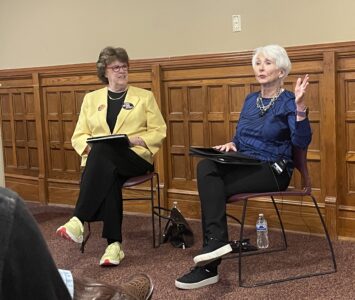
‘If it ain’t broke, don’t fix it’: Retired Judge Sally Pokorny tells residents why she opposes electing Supreme Court justices
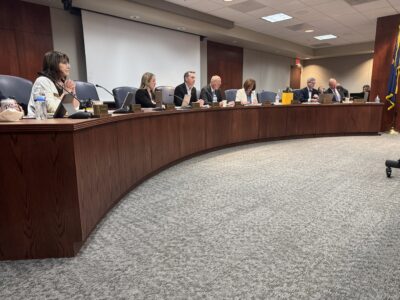
KU professors would be limited in how they could present the idea of systemic racism in future classes
State legislators push back against federal energy regulators ending competitive bids
TOPEKA — Two Kansas legislators asked federal energy regulators to ensure competitive bidding occurs on ...
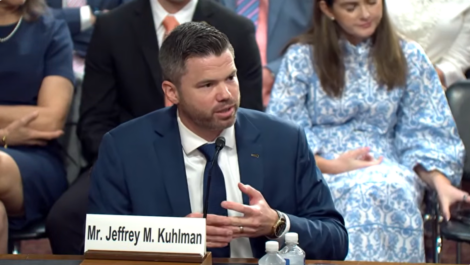
Senate confirms 1st of 3 Kansas nominees to U.S. District Court
Corporate income tax collections falling sharply in Kansas; Republican, Democratic leaders disagree on what it means
TOPEKA — Corporate income tax collections in Kansas have almost halved since last year, while other sources trend ...