

Farm income fuels economic growth
Large harvests, solid prices nurture conditions in Midwest
Omaha, Neb. ? Record farm income is feeding economic growth in a nine-state area of the central United States, according to the November Mid-America Business Conditions Survey.
Firms with strong ties to agriculture, particularly durable goods manufacturers, reported that the combination of large harvests, normal prices for crops and high prices for livestock were having positive effects on the regional economy.
The November business conditions index, a leading economic indicator, rose to a strong 63.8 from October’s 61.6, and well above growth-neutral 50, said Ernie Goss, a Creighton University economics professor.
Strong readings for new orders at 67 and production at 69.6 were primarily responsible for November’s robust reading.
Durable goods manufacturers primarily reported the large increases, Goss said.
Slight declines in prices for energy-related products led to a decrease in the prices-paid index to 81.4 from October’s 86.8.
The index has been above 80 for 10 consecutive months, but continues to indicate significant inflationary pressures at the wholesale level, Goss said.
Buoyed by improving economic conditions, employers have begun to add workers at an expanding pace, Goss said.
November’s employment index of 61.5 tracks to a healthy pace in new hiring. Businesses in the region have added 134,000 jobs, or a 1.1 percent increase, this year, Goss said.
| Kansas’ overall index declined for the fourth straight month but stood at a robust 62.3. While the overall index was down from October’s 69, it continued to indicate very strong economic conditions in the months ahead.Components of the overall index: 72.7 for new orders, 72.8 for production, 45.5 for delivery speed, 54.5 for inventories and 50 for employment. Metal manufacturers and transportation equipment manufacturers detailed expanding economic activity for the month. |
Goss said the survey indicated that the upturn in hiring was produced primarily by increased hiring in heavy manufacturing.
The improving labor market should translate into a solid holiday season for retailers in the region, said Goss, who expects holiday retail sales to increase 4 percent to 5 percent over last year.
Higher heating costs, tied to record oil prices, mean retailers will not experience the rapid growth rates in holiday sales recorded between 1995 and 2000, Goss said.
State Government
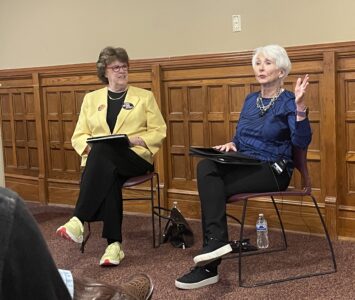
‘If it ain’t broke, don’t fix it’: Retired Judge Sally Pokorny tells residents why she opposes electing Supreme Court justices

KU professors would be limited in how they could present the idea of systemic racism in future classes
State legislators push back against federal energy regulators ending competitive bids
TOPEKA — Two Kansas legislators asked federal energy regulators to ensure competitive bidding occurs on ...
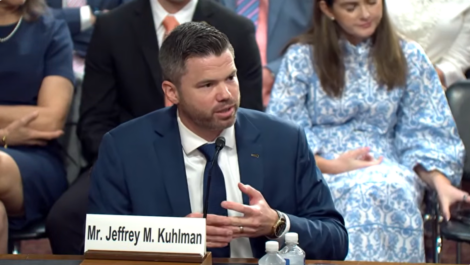
Senate confirms 1st of 3 Kansas nominees to U.S. District Court
Corporate income tax collections falling sharply in Kansas; Republican, Democratic leaders disagree on what it means
TOPEKA — Corporate income tax collections in Kansas have almost halved since last year, while other sources trend ...
Candidate’s campaign manager created website with documents used to attack rival
TOPEKA — Kansas U.S. Senate candidate Patrick Schmidt’s campaign manager left his digital footprint on ...