

K.C. settles police excessive force suit
Kansas City, Mo. ? The settlement of a federal lawsuit against a police officer accused of using excessive force exposes flaws in how the Kansas City Police Department handles personnel, a lawyer said.
Police officials disputed the claim, insisting they properly supervise their personnel.
The lawsuit settled Friday for $185,000 was filed on behalf of Damone Harris, of Kansas City, who accused then-officer Jayson Cherry of using excessive force during a June 7, 2000, traffic stop.
Harris said he was beaten by Cherry in an unprovoked attack.
The lawsuit also alleged the department was negligent in hiring Cherry despite his questionable psychological exam results, and in keeping him on duty despite two excessive-force complaints.
According to court filings by the department, Cherry punched Harris as Harris struggled with two other officers who were helping to subdue and handcuff him. Cherry resigned shortly after the incident involving Harris.
Arthur A. Benson II, who represented Harris, said his client deserved more money than a typical excessive-force case because of the flawed police policies he said the case exposed.
Benson said the department failed to heed the results of Cherry’s pre-employment psychological screening, failed to inform Cherry’s supervisors of those results and failed to pull Cherry from duty after he twice was accused of excessive force and untruthfulness.
The department also violated policy by failing to resolve an excessive-force complaint against Cherry within 30 days, Benson said. The investigation took 16 months.
Police Department lawyer Dale Close said the federal Americans With Disabilities Act required the department to make conditional job offers to applicants before the pre-employment psychological screenings.
If psychologists conclude the applicants can do the job, the department cannot deny jobs to the applicants. Cherry passed that qualification, Close said.
The department believed the disabilities law prevented it from giving Cherry’s test results to his supervisors. Benson disagrees.
The department settled, Close said, because another officer was prepared to testify that Cherry used excessive force with Harris.
Cherry was hired in June 1998 after a psychologist said Cherry “naively lied” during the screening examination and “would need to be cautioned about a tendency to take unnecessary risks and closely supervised in his early career to assure he doesn’t put himself or others in danger,” court records say.
State Government
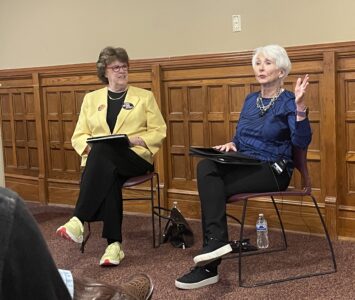
‘If it ain’t broke, don’t fix it’: Retired Judge Sally Pokorny tells residents why she opposes electing Supreme Court justices

KU professors would be limited in how they could present the idea of systemic racism in future classes
State legislators push back against federal energy regulators ending competitive bids
TOPEKA — Two Kansas legislators asked federal energy regulators to ensure competitive bidding occurs on ...
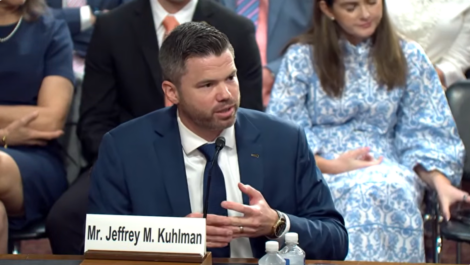
Senate confirms 1st of 3 Kansas nominees to U.S. District Court
Corporate income tax collections falling sharply in Kansas; Republican, Democratic leaders disagree on what it means
TOPEKA — Corporate income tax collections in Kansas have almost halved since last year, while other sources trend ...
Candidate’s campaign manager created website with documents used to attack rival
TOPEKA — Kansas U.S. Senate candidate Patrick Schmidt’s campaign manager left his digital footprint on ...