

Wichita bishop sees challenge in new diocese appointment
Wichita ? Bishop Thomas Olmsted of Wichita has mixed emotions as he prepares to take over the much larger and troubled Roman Catholic Diocese of Phoenix.
“My mind and soul have no doubt it’s God’s will, but my heart is zigzagging all over the place,” he said Wednesday.
After 4 1/2 years in Wichita — two as the sole bishop — Olmsted will be installed Dec. 20 as bishop of Phoenix. His appointment was announced Tuesday by the Vatican.
The Phoenix Diocese, with an estimated 450,000 members, is nearly four times the size of the Wichita Diocese. Olmsted is taking over as the former Phoenix bishop, Thomas O’Brien, goes on trial in January on a charge of leaving the scene after a fatal hit-and-run accident.
Meanwhile, past accusations of sexual abuse by priests in Phoenix have many Catholics watching closely how the next bishop will handle such matters.
Olmsted said he never dreamed of being appointed to a diocese based in the nation’s sixth-largest city.
“I went to a one-room country grade school,” he said. “It’s not what I ever thought about. I thought about being a parish priest.”
Before he leaves, he plans to meet with all the priests of the Wichita Diocese, whom he called his “closest collaborators.” They will pray and share a meal for a final time.
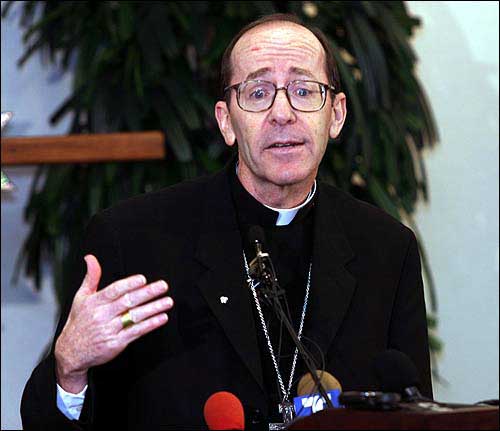
Wichita Bishop Thomas Olmsted will be installed Dec. 20 as bishop of the troubled Roman Catholic Diocese of Phoenix, based in the nation's sixth-largest city. Olmsted has served four years in Wichita.
One of his most cherished memories in Wichita is gathering lay people and clergy from across the diocese for the Third Synod, a meeting in which he led “listening sessions” and prayed with Catholics intent on developing priorities for future ministry.
Among other measures, Olmsted created pastoral plans for Mexican and Vietnamese Catholics.
The plans of the synod were just starting to be implemented, he said, adding, “I will miss not being a part of it.”
In Phoenix, Olmsted said, his initial two priorities will be to meet people and learn the history of the region, including the significant Hispanic, Vietnamese, Filipino and American Indian populations there.
“The different ethnic groups teach us the importance of adapting yourself to the unknown,” he said. “It’s a great model for me going to Phoenix.”
State Government
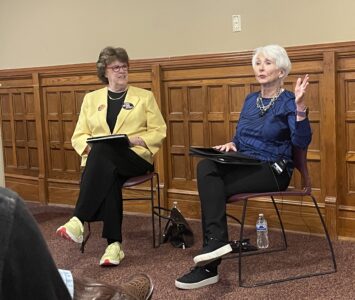
‘If it ain’t broke, don’t fix it’: Retired Judge Sally Pokorny tells residents why she opposes electing Supreme Court justices
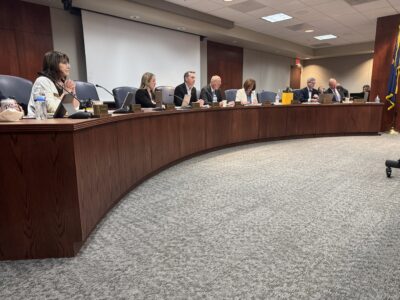
KU professors would be limited in how they could present the idea of systemic racism in future classes
State legislators push back against federal energy regulators ending competitive bids
TOPEKA — Two Kansas legislators asked federal energy regulators to ensure competitive bidding occurs on ...
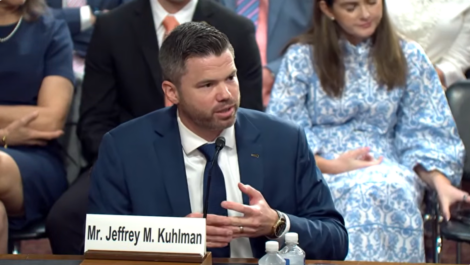
Senate confirms 1st of 3 Kansas nominees to U.S. District Court
Corporate income tax collections falling sharply in Kansas; Republican, Democratic leaders disagree on what it means
TOPEKA — Corporate income tax collections in Kansas have almost halved since last year, while other sources trend ...
Candidate’s campaign manager created website with documents used to attack rival
TOPEKA — Kansas U.S. Senate candidate Patrick Schmidt’s campaign manager left his digital footprint on ...