University Senate calls KU ‘toxic, undemocratic’ in asking chancellor to create new governance task force
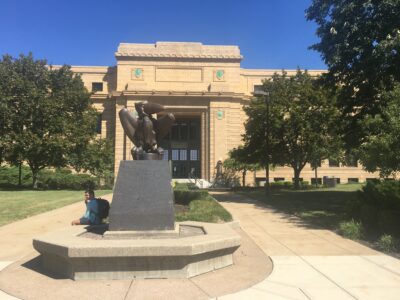
photo by: Kim Callahan/Journal-World
Strong Hall on the University of Kansas campus is pictured in September 2021.
KU has become a “toxic, undemocratic” institution in the last couple of years, faculty, staff and student leaders said Thursday in a formal resolution asking the chancellor to change how KU is governed.
University Senate members voted to approve a resolution asking Chancellor Douglas Girod to create a task force to strengthen the role that university community members have in governing KU. In its resolution, the Senate said KU had become too much of a “top-down, centralized decision-making institution.”
“Unshared governance creates a toxic, undemocratic institutional environment pervaded by insecurity, confusion, fear, lack of trust and demoralization,” the resolution reads. “This is the current state of our university.”
A recent process to eliminate approximately 40 low-enrollment degrees and programs at KU has brought the governance issue to a head. As reported, several KU leaders have expressed concern that KU’s provost has not adequately considered concerns expressed by University Senate regarding the elimination of the programs, which includes multiple programs in the humanities department.
But University Senate members said there have been multiple other decisions pushed upon the university community, including “being forced into in-person work and teaching in a pandemic through mandates.” The Senate’s resolution also said KU’s diversity, equity and inclusion efforts have regressed dramatically after a restructuring.
“During the pandemic and the fiscal crisis that preceded it, decisions have been made for the university community and not with us,” according to the resolution.
The resolution asks Girod to create a task force to “propose concrete action steps for the restoration of shared governance” at KU.
University Senate said the task force should undertake an evaluation of the decision-making process at KU and recommend steps to “move away from the top-down, centralized decision-making model of the last two years.” The Senate also would like to see a comprehensive communication strategy developed to help the university be better informed and engaged on university matters.
Ben Chappell, an associate professor in American Studies, said the task force doesn’t need to create a new system of governance at KU, but rather needs to ensure that the current rules aren’t treated as “window dressing.”
“Our policies are pretty strong,” Chappell said. “We just need to go through them in good faith.”
A spokeswoman with the chancellor’s office did not immediately respond to a request for comment regarding University Senate’s concerns and call for the creation of a task force.
The University Senate, which met online, did not release an exact vote total, but the resolution was approved by a 96% to 4% margin by the approximately 40-member Senate.
The Senate intends to send the resolution to the entire university community on Monday to raise awareness of the concerns.
Senate members, however, did hear some opposition to the resolution, with concerns expressed that the resolution is bringing to the forefront the issue of shared governance rather than some other pressing concerns at the university, including budget issues, sexual assault or other broader cultural concerns that have been raised on campus.
“I’m waiting for a resolution from University Senate regarding any of those budget cuts,” Robert Waller, president of KU’s Staff Senate, said. “Waiting on a resolution from University Senate on any number of hundreds of staff who have been fired over the last couple of years, any of the issues regarding students on this campus. Any of them. None of them have occurred.”
University Senate did modify the resolution to make clear that there is a long list of instances of concern about university decision making — not just the discontinuance of degree programs — that had led to the resolution. Waller said he could support the resolution after those changes, but said it was still important for faculty, staff and students to become more united in calling for change at the university.
KU

KU professors, middle school band director, radio personality among this year’s Phoenix Award honorees: ‘It’s a cool mix’

Hilltop childcare center has been losing money for at least two years, records show

Turnstile rocks KU campus as Day on the Hill returns after two-decade absence

UPDATE: Closure of Hilltop childcare center is final, but the building seems likely to stay

KU to lead national effort to address special education needs and tackle industry’s pressing concerns