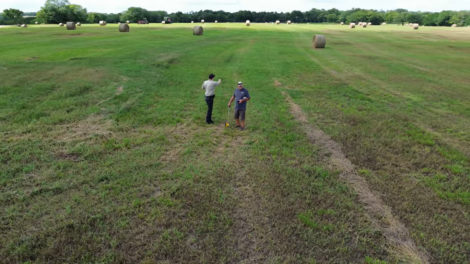
Following pilot program, Lawrence Community Shelter puts use of tiny homes for families on hold

photo by: Ashley Golledge
A unit at the tiny homes village is pictured on Tuesday, May 11, 2021.
Following a pilot program for its new tiny home village, the Lawrence Community Shelter has suspended the program and again stopped accepting families.
A shelter leader said the decision to put the program on hold was based on a need to add more staff and to use the tiny homes for isolation purposes to prevent the spread of COVID-19. Meanwhile, although there are tentative plans to slightly increase the overall number of people allowed to stay at the shelter, the shelter remains at less than a third of its permitted wintertime capacity.
Monarch Village consists of 12 tiny homes and was intended to offer a better emergency shelter environment for families experiencing homelessness. The shelter previously suspended its family program following the onset of the coronavirus pandemic, but it began accepting families again in the latter half of last year to participate in a pilot for the tiny homes.
Shelter board president Isabel Johnson said that five families participated in the pilot, and that after the last of the families was placed into permanent housing at the end of December, the shelter decided to suspend the program and only use the tiny homes to isolate shelter guests who had tested positive for COVID. Johnson said she didn’t have an estimate for when the shelter might return to using the tiny homes to house families.
“Obviously we want to be able to use them for their stated purpose as soon as possible,” Johnson said. “And we’re all doing what we have to do during the pandemic to function as close to normal as we can, but that’s one of the repurposing concessions we had to make.”
Johnson said that up until recently, the shelter was using hotels to isolate guests who had tested positive for COVID, but there had been decreased interest on the part of the hotels in continuing to fill that role. She said that currently two of the tiny homes were being used to isolate guests.
The project was completed last year in partnership with the University of Kansas architecture program Studio 804, and an open house was held in May 2021. The tiny homes are made of converted shipping containers and situated behind the shelter’s main building. The homes are 160 square feet and include bunk and trundle beds, a shower, a toilet and a kitchenette. In total, the village has the capacity to house up to 46 people.
Johnson said one of the things the shelter learned during the pilot is that for the tiny home program to be successful, there would need to be more staff supervision available. She said the shelter did not budget any funding in 2022 to increase its current staffing levels, but that additional grant dollars could potentially be available that could help the shelter increase staffing and capacity.
The shelter is permitted to serve 125 people most of the time and 140 people during the winter. It originally reduced its capacity to 65 people in August 2019 amid budget issues and changes to its staffing model, and then it further reduced the number of people housed at its building in eastern Lawrence to a maximum of 40 during the coronavirus pandemic so that it could space out guests in its dormitories and have room to quarantine guests as necessary.
In the midst of those reductions, dozens of people experiencing homelessness have been living outside in Lawrence, many in encampments near the Kansas River or in other locations around the city. To help address the need, the City of Lawrence and volunteers have taken on the responsibility of emergency winter shelter services since the reductions in capacity at the shelter in 2019.
This winter, the city temporarily suspended certain building and fire codes so it could run an emergency shelter program at the Community Building. Guests are only allowed to stay in the building from 8 p.m. to 7 a.m. when the overnight temperature is forecast to be below 35 degrees. The temporary code changes allow up to 75 people to sleep at the Community Building, and the city has the ability to use another recreation center for overflow if needed.
In October, Johnson had said that the shelter was hoping to increase its capacity from 40 people to 50 people for the upcoming winter, but that did not occur. Johnson said the shelter remains at a capacity of 40 people, primarily because of low staffing.
“We have not been able to go up to 50,” Johnson said. “We are still struggling with staffing right now.”
Johnson said the shelter had recently increased pay in an effort to recruit and retain staff members. Specifically, she said that beginning on Jan. 23, the shelter started providing hazard pay of an additional $2 per hour to shelter staff. Pay for the shelter’s front-line staff, known as “direct service advocates,” was also increased. They now earn between $13 to $16 per hour, depending on experience and education. Johnson said internal performance reviews will be used to determine raises for current DSA staff.
The shelter began a “housing first” model under former executive director Renee Kuhl, which is meant to focus on quickly housing people experiencing homelessness. In a statement in July, the shelter board cited that change in approach as one of the reasons the shelter did not plan to go back to its former capacity of 125.
Johnson said the board is open to increasing capacity at the shelter while continuing the housing-first model, if that’s what an ongoing study and local leaders determine is the best way for the shelter to serve the community. The City of Lawrence and Douglas County both provide significant annual funding to the shelter, and Johnson said she met with members of city and county staff on Thursday and discussed the question of capacity. The county recently commissioned a housing needs assessment, which will identify gaps in services and support for those experiencing homelessness, and Johnson said the plan is to meet again in May once the results of the assessment are known.
“We are definitely anxious to see that needs assessment and to see what that looks like,” Johnson said.
While the shelter’s family program remains suspended, Johnson said families who contact the shelter are referred to Lawrence Family Promise, a local nonprofit that serves families experiencing homelessness.
Other News

‘Highly discriminatory’: Current and former trans lawmakers speak out ahead of Douglas County judge’s ruling on bathroom, driver’s license law
Peaslee Tech’s new homes made from garage doors arrive in North Lawrence

KDOT awards $104.7-million contract for north segment of South Lawrence Trafficway expansion

At 40, her first mammogram changed everything: LMH Health nurse urges others to get screened

Lawrence filmmaker explores program uniting incarcerated mothers and their children in new documentary