Fort Riley officer up for court martial
Kansas City, Mo. ? On a starlit patrol of insurgent-thick Sadr City, GIs could see men dropping what looked to be homemade bombs along the Baghdad roadside.
Through their thermal sights, the American soldiers even thought they saw one of the bombs explode. Following at a distance, they fired at another of the objects to confirm that it was, indeed, an explosive.
Soon enough they secured the go-ahead for an attack, and a Bradley fighting vehicle unloaded its considerable firepower on the dump truck. Next, the platoon led by 2nd Lt. Erick Anderson swarmed over the scene to check for survivors – in a rush to move on before they became too obvious a target in the violent slum.
Hunched over in the cab of the shot-up truck, his abdomen ripped open and blood leaking from a head wound while his clothes burned, was 16-year-old Qassim Hassan.
Anderson would later say that he assumed the teenage insurgent was dead. One of the junior officer’s subordinates – eventually convicted in the death – would say the lieutenant gave the order to put the still-breathing boy out of his misery.
From more than a year ago and half a world away, and from the chaos of guerrilla warfare, the most serious of charges chase Anderson.
Suspect in two murders
He is accused in two murders – the deaths of Iraqis felled not by his rifle shots but by soldiers who say the officer told them to fire at the wounded and the captive.
Anderson insists he gave no such orders, that one of his subordinates could only have misunderstood him and that another is simply not telling the truth.
This week the 26-year-old Army officer faces a hearing at Fort Riley, Kan., that will decide whether there’s enough evidence to hold him over for a general court-martial. Such a subsequent trial could put him in prison for life.
For Anderson, the charges have come and gone and come again.
“I can’t explain it,” he said. “I just try to walk a straight line.”
Officials at Fort Riley say the government’s case will be spelled out at his Article 32 hearing, where Anderson faces two counts of murder, two counts of conspiracy to commit murder, two counts of conduct unbecoming an officer, dereliction of duty and making a false official statement.
Last November, the Army charged him with ordering two men in his command to shoot the gravely wounded Iraqi boy – an ostensible mercy killing.
Those murder and conspiracy charges were dropped two months later and Anderson returned to combat in Iraq.
“The same day the charges were dropped, I was put in command of another platoon,” said Anderson, now working a desk job at Fort Riley. “The following morning I went out with the new platoon on a raid.”
Second charge
After his 1st Battalion, 41st Infantry Regiment returned from its tour in June, almost another full year in the combat zone, and Anderson settled in at Fort Riley, he was charged again on Oct. 3.
Along with the accusation that he told his troops to kill the teenager, the subject of the original charge, this time he was also blamed for the death of an unidentified Iraqi adult, a man shot by one of Anderson’s sergeants during a raid in Baghdad.
The second filing of charges came after the shooters in both killings had been convicted and had subsequently said they were acting on orders from Anderson.
In the Aug. 18, 2004, killing of the boy, Staff Sgts. Johnny Horne and Cardenas Alban were convicted of murder. Alban was sentenced to one year in prison. Horne received a three-year sentence. He has told prosecutors that Anderson gave the go-ahead to shoot the badly wounded teenager.
“Sergeant Horne felt like he was really committing an act of mercy,” said Neal Puckett, Anderson’s attorney. “That’s all well and good, but it’s illegal and immoral to kill somebody whether they’re about to die or not.”
By Horne’s account, the youth was experiencing a painful death and the two sergeants asked Anderson whether they should spare him further suffering by killing him. The lieutenant, Horne has told Army prosecutors, told them to shoot.
City Government
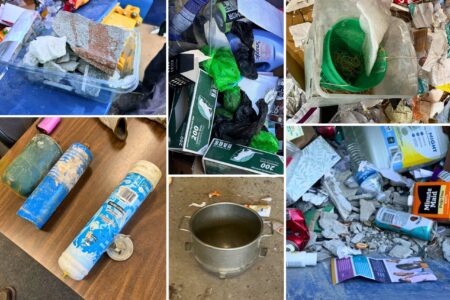
Contamination in Lawrence’s recycling has risen to 17.5%, audit finds; that means city will continue paying more for processing
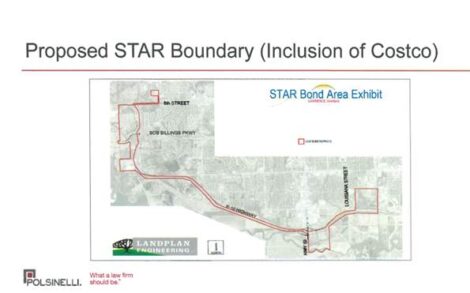
STAR Bond project is proposing $1.3B of development in Lawrence, including an arena geared toward ‘international cycling competitions’
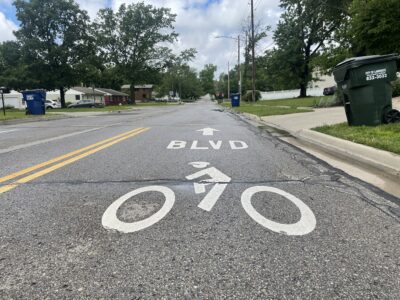
City of Lawrence seeking public feedback on its bike infrastructure plan

City to keep Community Building open through end of 2026; leaders want more data before deciding on 2027
City leaders approve incentive for 131-unit housing development near Wakarusa and Queens