Booklet documents evolution of chamber of commerce
Through most of Lawrence’s history, the Lawrence Chamber of Commerce, and similar groups, has been at the center of nearly every major local debate, decision and event.
The influence of the chamber has ebbed and flowed since 1878 when a group of businessmen, including J.D. Bowersock, started the first chamber, according to an exhaustive history of the chamber by Marsha Henry Goff in her booklet, “The Lawrence Chamber of Commerce, 1878-2000.”
But through wars, floods, fires and economic booms and busts, community leaders and businessmen and women have joined forces, helping neighbors, boosting the city’s image and tackling thorny political problems.
Goff’s history makes it evident that there is little in Lawrence that wouldn’t reveal the chamber’s fingerprints.
The modern-day chamber has been involved in highways, airport improvements, school bonds, and luring conventions, sporting events and tourists. It has been a major force in developing the high-tech industry in the area and the development of business parks.
At the outset 125 years ago, the chamber was a less-talk-more-action kind of group, imposing strict time limits on how long its members could speak during meetings.
One of the chamber’s first accomplishments was getting the Kansas Legislature to authorize new bonds to ease Lawrence’s railroad bond debt.
Later in the 19th and early 20th centuries, the chamber kind of disappeared as other business groups were formed. But it re-emerged in a mention in the Lawrence Journal-World in 1916. Three years later, a familiar name was leading the chamber — J.D. Bowersock.
In 1923, C.L. Scott was the chamber’s first paid manager. He worked long hours, increasing membership, promoting the town for economic development and mounting campaigns that mark the modern era of the chamber.
One campaign was called “Forward Lawrence,” and the official statement: “The Community Dynamo.” The modern active type of chamber of commerce is often referred to as the community dynamo, where constructive ideas are planned and carried out.
During the Great Depression, the chamber helped coordinate relief efforts, solicited federal grants for construction projects and street improvements.
One of its major projects was construction of Lone Star Lake.
A 1938 chamber brochure bragged:
“Lawrence
1/2 way East
1/2 way West
1/2 way North
1/2 way South”
The Center of the World”
During World War II, the chamber was involved in bringing Sunflower Ordnance Works to the area and a short-lived German POW camp. The munitions plant employed 2,600 people — half of the work force — including many people from other areas of the country.
“Clearly, Lawrence would never be the same!” Goff wrote in her history of the chamber.
The chamber’s postwar efforts have been no less important, working with Kansas University, Haskell Indian Nations University and local government to help produce the Lawrence that exists today.
It has always been led by high-energy individuals and often been at the center of local controversies as Lawrence residents make decisions on the issues of the day that will affect Lawrence for years to come.
City Government
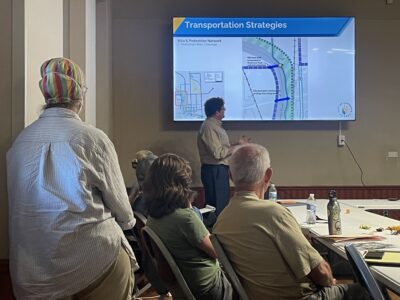
North Lawrence study consultants look at possibilities for a grocery store, food truck park, traffic calming and more
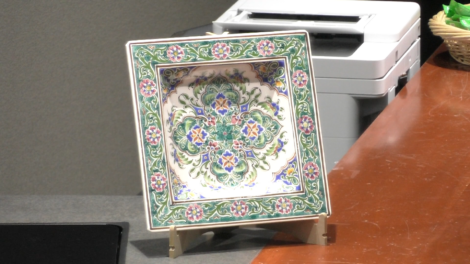
Algerian ambassador gives Lawrence a gift for supporting national team – a piece of art
Lawrence City Commission approves incentives for Alarm.com’s office project in downtown building
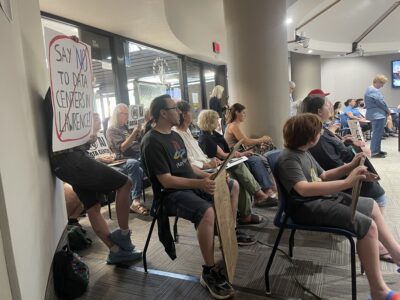
Lawrence City Commission interested in a moratorium on data center development
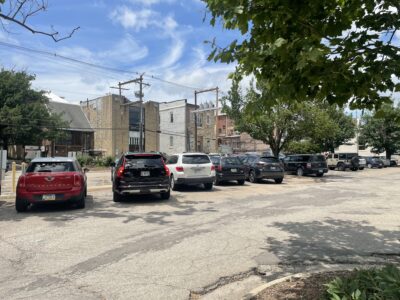
Lawrence city leaders defer decision on selling downtown parking lot for senior housing project