Latest report shows Lawrence sales tax growth among tops in the state; are City Hall leaders paying attention?
It is the season for City Hall couch cushions strewn about and organ grinder music in the background. The city’s budget process is underway, and the last several years the theme has been that any loose change matters, as the city’s major operating fund in 2015 spent more than it received in revenue. It is budgeted to do so again in 2016.
That is happening despite a key positive trend: Lawrence is experiencing the best sales tax growth of any major retail area in the state.
State revenue officials have released their latest sales tax report — it basically measures sales through early April — and Lawrence continues to be on a roll. The report showed sales tax collections for the latest one-month period were up 6.2 percent compared with the same period a year ago.
The more important numbers, though, are the year-to-date totals. There have now been five sales tax reports issued by the state in 2016, so we are almost to the halfway point of the annual reporting period. Thus far, Lawrence’s growth rate is tops among the 10 large retail markets that we track. Here’s a look:
• Lawrence: up 4.6 percent
• Overland Park: up 3.6 percent
• Olathe: up 3 percent
• Topeka: up 2.5 percent
• Johnson County: up 2.1 percent
• Sedgwick County: up 1.4 percent
• Manhattan: up 0.8 percent
• Kansas City: up 0.3 percent
• Salina: down 3.3 percent
• Lenexa: down 8 percent
The most interesting number may be what’s driving Lawrence’s increase. The city has provided a breakdown of the industries that are seeing the largest increase in sales tax collections. The city noted three: grocery and beverage stores are up 6 percent from a year ago; bars and restaurants are up 7 percent; and sales taxes on building materials are up 29 percent.
The building material category is obviously an eye-catcher. There seems to be an obvious explanation to that large increase: Menards and its superstore near 31st and Iowa have entered the market.
But sometimes the obvious answer isn’t always the correct one. So, I looked a little deeper. Not all building materials are bought through home improvement centers. Many of them are bought through wholesale companies that deliver to job sites, and construction firms pay the sales tax on those materials. If Lawrence’s building scene is booming, that could account for the increase in sales tax collections, and it really wouldn’t have much at all to do with Menards. But the city’s building permit reports show that is not what’s happening. Construction totals are very high this year, but they are about 15 percent below the record-setting totals of 2015. Based off that, you would think sales tax collections for building materials would be down.
I also considered that perhaps there has been an increase in the price of building materials, which would cause the sales tax collections to increase, even though the amount of work has declined some. That doesn’t appear to be the case either. The construction cost index put out by the large construction company Turner indicates that the cost of building materials actually has declined some.
I don’t know definitively why Lawrence is collecting so much more in sales taxes for building materials, but it seems the Menards effect is a real possibility. It seems that what’s happening may be exactly what Menards officials said would happen: Lawrence residents who were leaving town to shop at Menards are now staying in Lawrence to shop at Menards. It seems likely some shoppers from nearby communities are coming to Lawrence to do their Menards shopping. Here’s a little fact that maybe has been overlooked: Menards really doesn’t have any stores in the Kansas City market. It has one in St. Joseph, but that is about it. That means the Lawrence store is the closest Menards store for lots of communities in Johnson County. Of course it also is the closest store for places like Franklin and Jefferson counties. The Lawrence store may be getting more out-of-town traffic than what you would think.
Again, I don’t know if that is what’s happening here. But I would think City Hall leaders would want to figure it out. If indeed Menards is keeping more retail dollars in Lawrence and attracting more retail dollars from outside Lawrence, then it seems possible other select retailers could do the same.
Perhaps this is causing you to think of the City Commission’s recent rejection of a proposed multimillion dollar retail center that would have brought several new brands to Lawrence near the Iowa Street and SLT interchange. The rejection has landed the city in a lawsuit filed by the proposed developers. The developers of that proposed center said their numbers showed 40 percent of all Lawrence retail dollars spent on apparel are being spent outside of Lawrence.
I can almost guarantee you that Menards had a similar study that told it that there were a lot of home improvement dollars leaving the Lawrence community.
Is the 40 percent number about apparel accurate? I don’t know. But I would think City Hall officials would want to find out. A trusted third party easily could be hired to figure it out, and many other retail questions. The problem is, Lawrence fights so much about retail development, it would be difficult to hire a third-party that both sides would trust. It is sad that we are so deep in the weeds that we can’t even get data.
But if the 40 percent estimate is accurate, then something else also is true: Millions of sales tax dollars are leaving the community every year.
Capturing them may be easier than operating the organ grinder.
Town Talk column
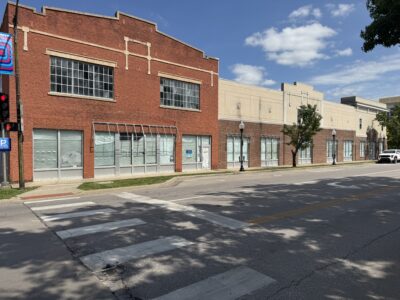
Planners open door for storage unit businesses downtown; new plans filed for golf course-living

Lawrence sales tax collections again last in the state among big retail markets; online sales may be soaring though
FTC sends warning letter to Lawrence-based Laird Noller Auto with concerns over deceptive pricing
After 15 years of sitting vacant, there’s interest in the downtown Borders building becoming storage units
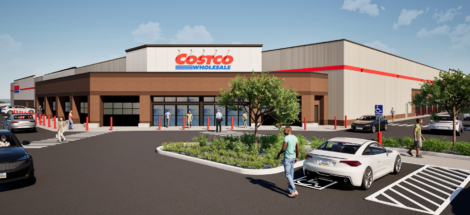
A look at the questions facing city leaders as they consider a $1B plan that seeks to capture Costco sales taxes