Kansas’ primary elections feature crowded races for governor nominations across both parties

photo by: Kim Callahan/Journal-World
The Douglas County elections office at 711 W. 23rd St. is pictured Monday, Oct. 31, 2022.
As Kansans prepare to elect a new governor, 10 different tickets are running to try and earn each party’s candidacy ahead of the 2026 general election.
Current governor Laura Kelly is term-limited and cannot run. Seven Republican tickets and three Democratic tickets have entered their parties’ primaries to earn the nomination for the general election. In addition, there are two Democratic candidates facing off in a primary for the Secretary of State nomination.
Advance voting for the primary has already begun in Lawrence at the Douglas County Elections Office, 711 W. 23rd St. Eudora, Baldwin City and Lecompton’s in-person early voting offices will open July 25. More information about polling locations, dates and times is available on the Douglas County elections website, dgcoks.gov/county-clerk/voting-and-elections. The last day to advance vote will be Monday, Aug. 3.
The primary election day will be on Tuesday, Aug. 4, with polls open from 7:00 a.m. to 7:00 p.m.
The Lawrence Journal-World reached out to all the candidates facing primary elections for their stances on a variety of issues, including property taxes, data centers and off-cycle redistricting. See the candidates’ responses below.
Democratic Governors’ Primary
Ethan Corson of Fairway and Renee Duxler of Salina
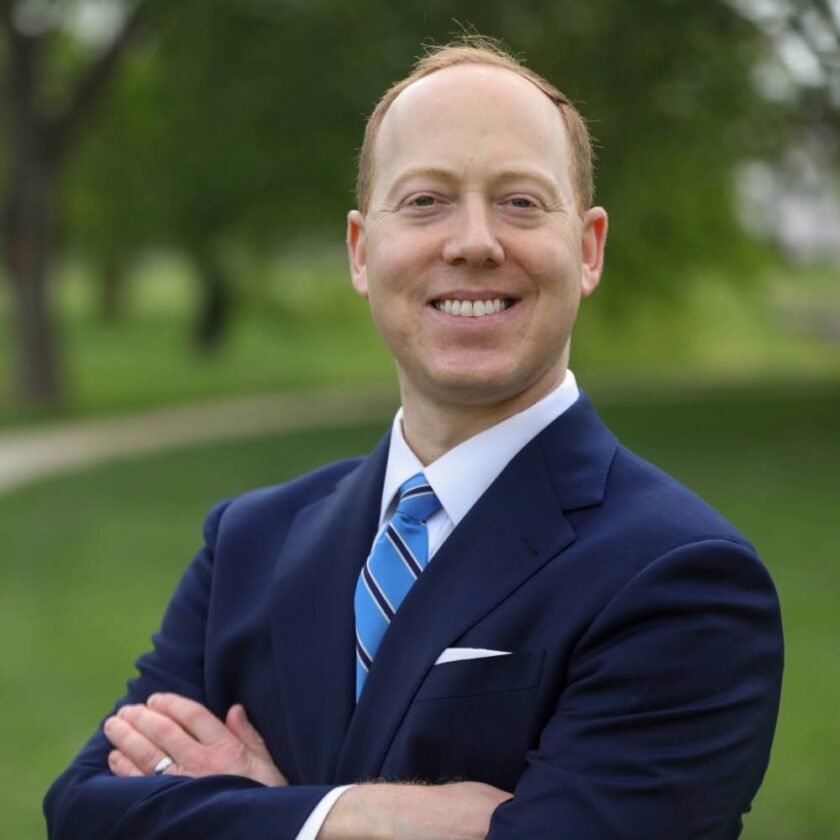
photo by: Contributed
Ethan Corson
Corson earned a law degree at Washington University in St. Louis before spending time in Washington in the U.S. Department of Commerce. He has represented the Seventh district of Kansas as State Senator since 2021.
Corson said he is the only candidate in the race with a detailed plan to deliver property tax relief. As part of his plan, called “My Working Families Agenda,” Corson said he would cut property taxes for every Kansan and provide tax credits for every vehicle registered in Kansas. He said the state also needs “long-lasting solutions,” and he would create a task force to study what works best in other states.
His tax plan is part of the way Corson intends to reduce the burden caused by inflation, but Corson said he would also provide targeted tax relief for working Kansans, including ending state taxes on overtime pay and tips so “workers can keep more of what they earn.”
Corson said he believes decisions about data center projects should be made by local communities; however, if he was governor, he would require data center projects to pay the full share of energy costs and contribute to communities where they are located. Corson said data centers create “good-paying union jobs” and their operations can keep Kansans employed “long after they are built.”
Moving forward, Corson said he believes Kansas is facing a “healthcare crisis,” and expanding Medicaid into the state would help fix the problem. He would also look to create strategies based on successful rural healthcare models that bring more doctors to rural areas.
Cindy Holscher of Overland Park and KC Ohaebosim of Wichita
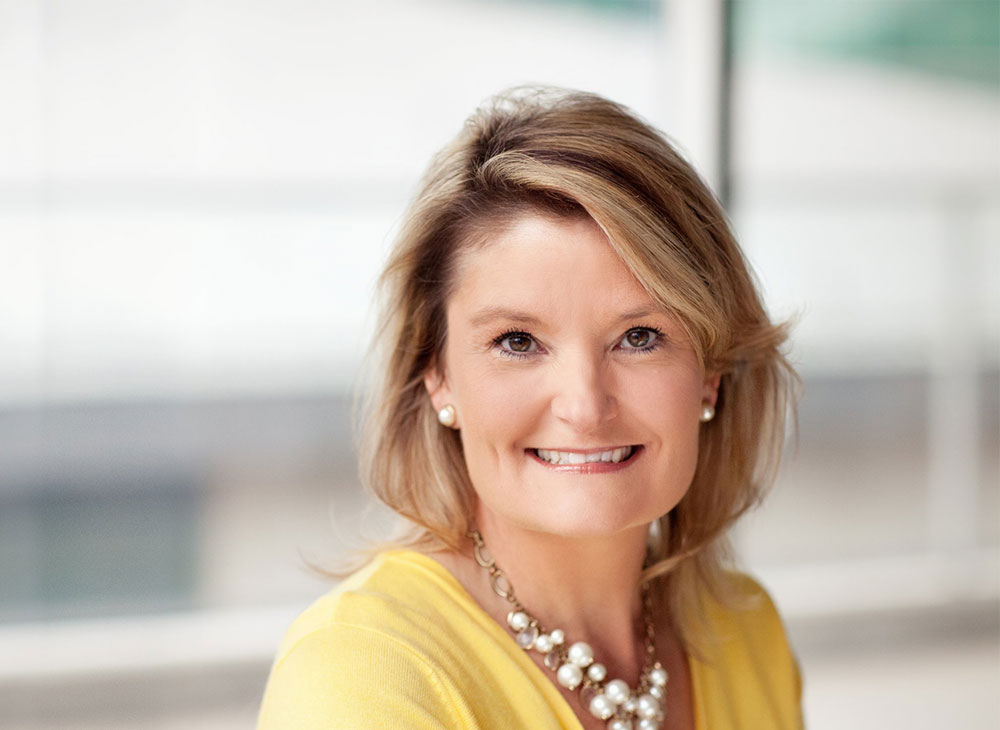
photo by: Contributed
Cindy Holscher
Before serving as the State Senator for District 8, Holscher worked in marketing for many years after getting a degree in marketing and political science from the University of Missouri.
Holscher said one way to reduce the property tax burden faced by residents would be to end “giveaways to special corporate interests” that divert taxes from government services, like the Chiefs stadium deal. Holscher said the state must fully fund public school programs so local districts don’t have to make up the gap.
To tackle rising costs, Holscher said she wants to expand Medicaid to the state, which will lower healthcare costs for Kansans and help protect rural hospitals. Holscher also said she wants to lower housing costs by increasing affordable housing options, partnering with rural communities and “cutting red tape” which drives up prices.
Holscher said she is calling for a temporary statewide moratorium on data center projects until “common-sense guardrails” are put in place to ensure that taxpayers and natural resources are protected and the projects can “actually deliver” benefits for communities. She said her position is if a company wants to build in Kansas, it “should pay its fair share.”
Holscher said she views the biggest problem facing the state as affordability, and she wants to put an end to “taxpayer-funded giveaways” for large corporations. Holscher said she thinks government should focus on helping “Kansans get ahead, not protecting the status quo.”
Curt Skoog of Overland Park and Jennifer Bacani McKenney of Fredonia
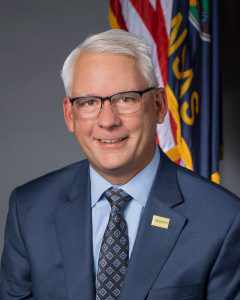
photo by: Contributed
Curt Skoog
Skoog did not provide responses to the Journal-World’s questionnaire.
Skoog, the current mayor of Overland Park, has set six main priorities for his campaign under the agenda of “THRIVE Kansas,” according to his website. Among his legislative priorities, Skoog wants to ensure that communities are built on essential needs like good schools, good job opportunities and good housing options; expanding Medicaid to improve healthcare options; helping rural communities thrive and attracting new industries like tech and aerospace jobs.
Republican Governors’ Primary
Stacy L. Rogers of Wichita and Michael Smith of Lansing
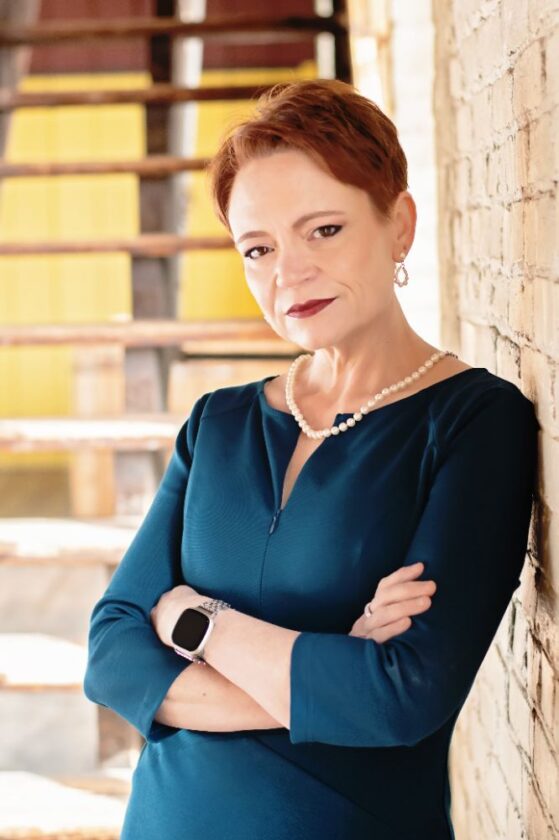
photo by: Contributed
Stacy Rogers
Rogers is a business owner, who owns the company Eberly Farm, KCC North America, LLC, the parent group to Kids Closet consignment sales and Rogers Properties, LLC.
Rogers said to reduce the property tax burden, she would look at passing legislation that would “greatly reduce and eventually get rid” property taxes altogether. She would encourage legislators to pass recreational tax on property owners who don’t utilize the property a certain part of the year, which she said mainly applies to hunting properties.
Getting rid of the property tax burden is also a way Rogers believes she can tackle inflation and the cost of living issues for Kansans. Removing those taxes would allow for businesses to reduce prices for customers.
Rogers said she does not support hyperscale data center projects in their current form and is against providing tax incentives to companies that bring those developments. Rogers said she would like to see SB98, the law that provided state tax incentives for companies building data centers, repealed. She said the state needs to add “guardrails” to protect the state’s water resources and hold “predatory companies” accountable for their actions.
Rogers said that redistricting should be done “for the right reasons only.” She believes the next governor needs to work with the legislature and needs to “be bipartisan” to get Kansans the help they deserve.
Charlotte O’Hara of Overland Park and Michelle Dombrosky of Olathe
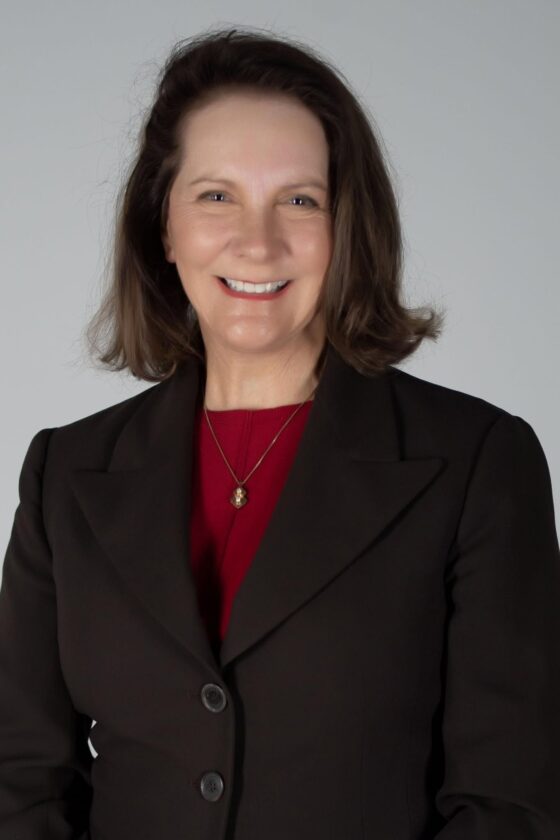
photo by: Contributed
Charlotte O’Hara
O’Hara was raised in Bourbon County, but she has made her living as a general contractor in Johnson County and now owns a small manufacturing company with her two sons.
O’Hara said a simple solution to ease the property tax burden is to end them altogether and replace them with a “use tax.” The state would also need to cut expenses, and O’Hara said she would close the State Department of Education, which she described as “paper shufflers costing (Kansans) $300 million annually; stop taking federal education funds and push all curriculum decisions to the local level.
O’Hara is against the development of data centers and against providing tax incentives to companies aiming to develop them. O’Hara called SB98, which provided a 20-year tax exemption for data center projects, “a ridiculous piece of legislation.”
O’Hara said the state should have completed off-cycle redistricting this past legislative cycle. She also said she sees education as the biggest issue in the state moving forward. O’Hara already said she wants to close the state’s Department of Education to bring back “real local control.” She wants to “get computers out of the classroom” as well.
Scott Schwab of Overland Park and Ken Rahjes of Agra
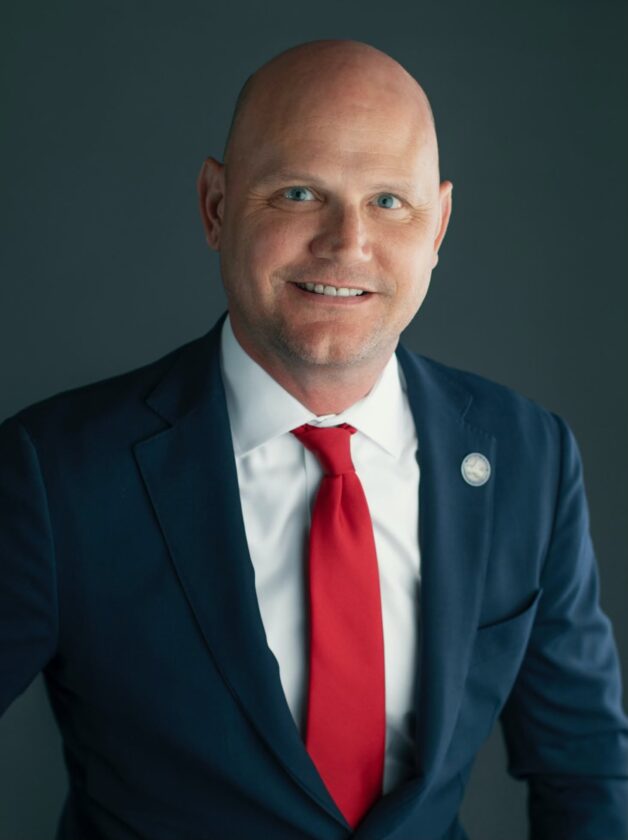
photo by: Screenshot
Scott Schwab
Schwab did not provide responses to the Journal-World’s questionnaire.
Schwab, the current Secretary of State, was first elected to the Kansas House of Representatives in 2002. He was elected twice to be the Secretary of State in 2018 and 2022.
According to his campaign website, Schwab has a plan for rural Kansas called “The Schwab JEANS plan,” which stands for Jobs, Education, Agriculture, Networking and Sustainability. Some of the policy choices he would implement to protect smaller communities in this plan would be to invest in agricultural manufacturing, prioritize Kansas community colleges and unlock more private investment in small towns.
More broadly, Schwab said he would “fight to cut taxes and costs for Kansas families,” lean on Christian values and “protect women’s sports” and work with the Trump administration on enforcing our immigration laws.
Ty Masterson of Andover and Jeffrey Klemp of Lansing
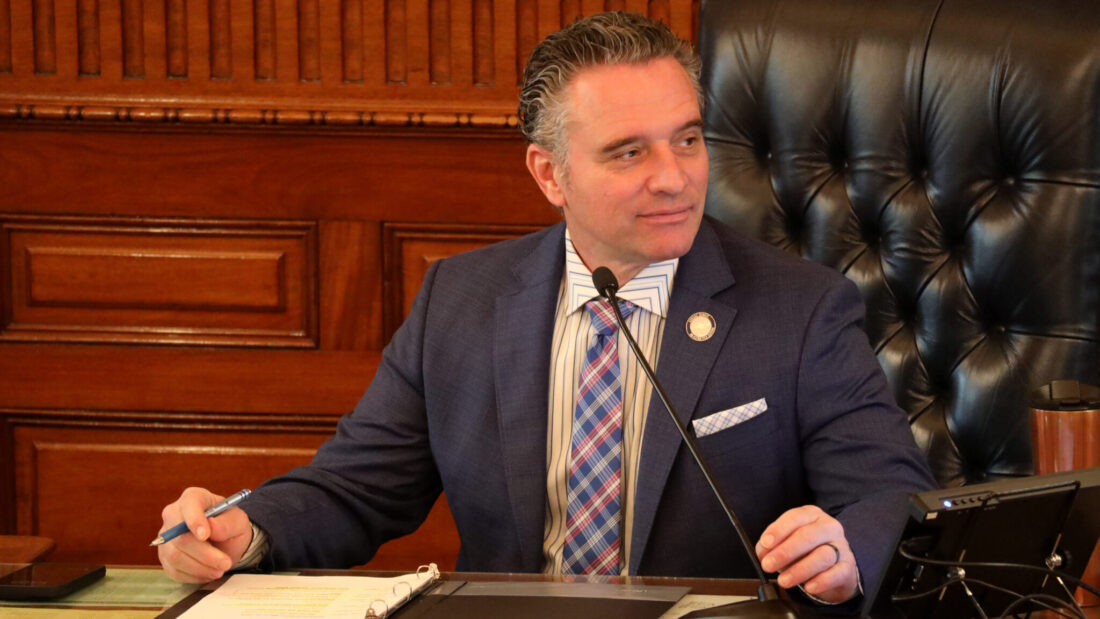
photo by: Grace Hills/Kansas Reflector
Kansas Senate President Ty Masterson, R-Andover, now has the endorsement of President Donald Trump to boost his prospects of prevailing in the August GOP primary. Masterson is pictured on March 26, 2025.
Masterson was first elected to the State Senate in 2008 and was elected by colleagues as the Senate President in 2020 and again in 2024. Outside of being a lawmaker, Masterson leads GoCreate, a community workspace at Wichita State University that helps entrepreneurs.
As part of reducing the property tax burden, Masterson released a “Homeowners’ Bill of Rights.” Those policies include holding a statewide vote for a constitutional amendment “to cap runaway increases and provide targeted relief for fixed income seniors” and reduce the regulatory cost of housing so more people can afford it.
With rising inflation, Masterson said the best thing Kansas can do to help its people is “not add additional costs.” As Senate President, he worked to eliminate sales taxes on groceries and lowered and simplified income taxes in ways that “help middle-class Kansans.”
Masterson said he favored the maps that were passed in 2022 since they “reflect the people of Kansas.” But because Democrats “decided to pass radical gerrymanders” in states like Illinois and Maryland, he felt that Kansas “does not have the luxury of sitting on the sidelines” in terms of redistricting.
Masterson said the United States is “engaged in a Cold War with China over AI,” and it is “a war that we must win.” However, Masterson said there must be guardrails for new data centers and local communities should ultimately have the right to decide. Masterson said SB98 that was passed in 2025 “includes strong protections” to safeguard the power grid and water supply, and the state needs to preserve and enhance those.
Nick Reinecker and Katy Reinecker, both of Inman
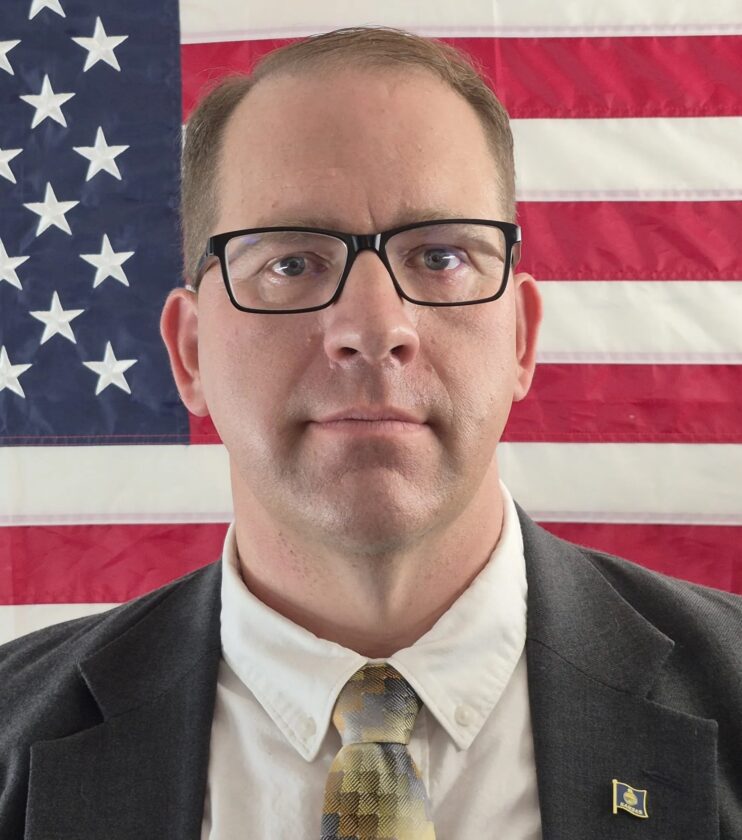
photo by: Screenshot
Nick Reinecker
Reinecker said he has worked as a police officer, firefighter, EMT and CNA, and he has also been the manager of the Inman Harvest Café in Inman.
For general property tax relief, Reinecker said that it starts “at the local level,” with citizens going to local government meetings to bring accountability. If he was governor, Reinecker said he would support reducing or abolishing the property tax and creating a budget that was closer to 2019 levels.
Reinecker said the issue of inflation is a result of the federal government printing too much money. To combat the inflation, Reinecker said the state has to become more independent of government. That would include promoting farmer’s markets and incentivizing self-reliance in food production like local community gardens.
Reinecker said he is “not a fan of the government picking winners or losers” in terms of offering tax incentives for data centers, saying the best markets are free markets. He believes the issue is mostly a local control issue, and it is the duty of the local citizens to “exert their individual rights, preferences and consent.”
Reinecker said he is the only candidate in the primary calling to de-schedule cannabis, marijuana and hemp and eliminate criminal penalties for possession and planting. He would still support “tough consequences” for possession of other drugs like fentanyl.
Reinecker said he would intend to serve as governor “with consistent, constitutionally conservative principles” that put God, family and individual above the government.
Philip Sarnecki of Overland Park and Joy Eakins of Wichita
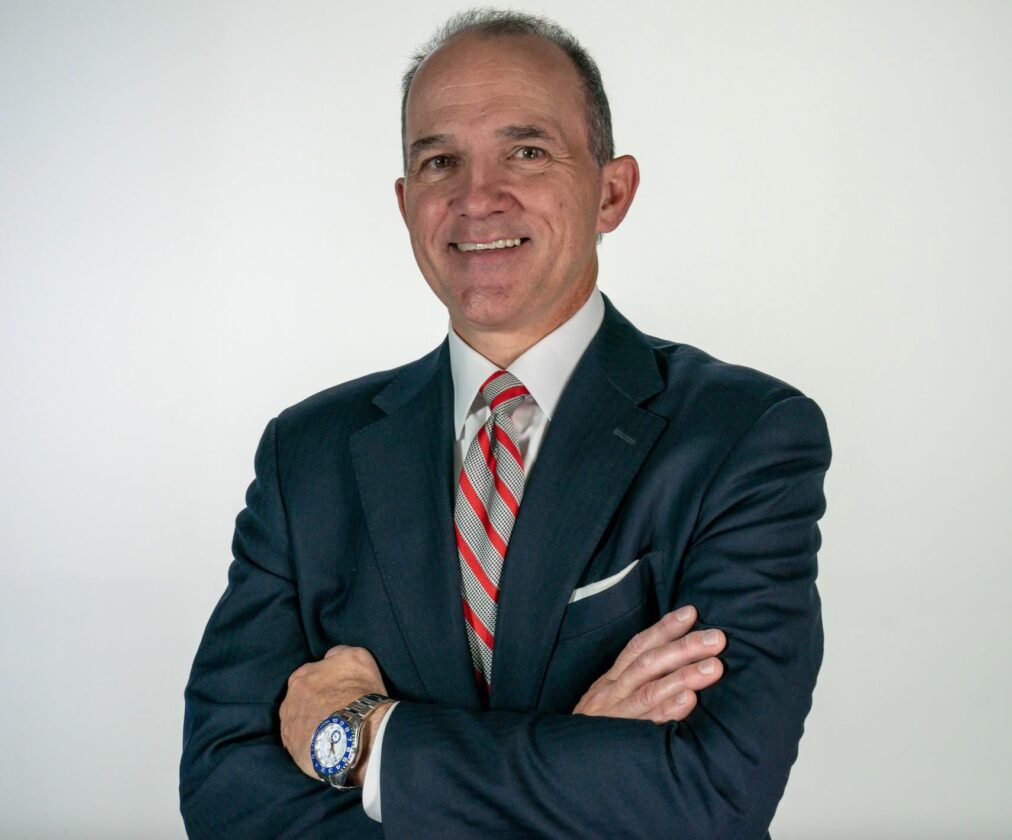
photo by: Contributed
Philip Sarnecki
Sarnecki did not provide responses to the Journal-World’s questionnaire.
Sarnecki is a Kansas businessman who built RPS Financial Group, Inc., one of the nation’s largest financial services companies, according to his campaign website. He lives in Bucyrus with his wife and three children.
Sarnecki said on his site he is committed to conservative values: “faith, family, hard work and accountability.” According to his plan, Sarnecki would “stand with President Trump to fight for Kansas,” restore parental rights in education, lower taxes for families and businesses and “end woke policies” to put merit and fairness first.
Vicki Schmidt of Topeka and Joe Newland of Neodesha
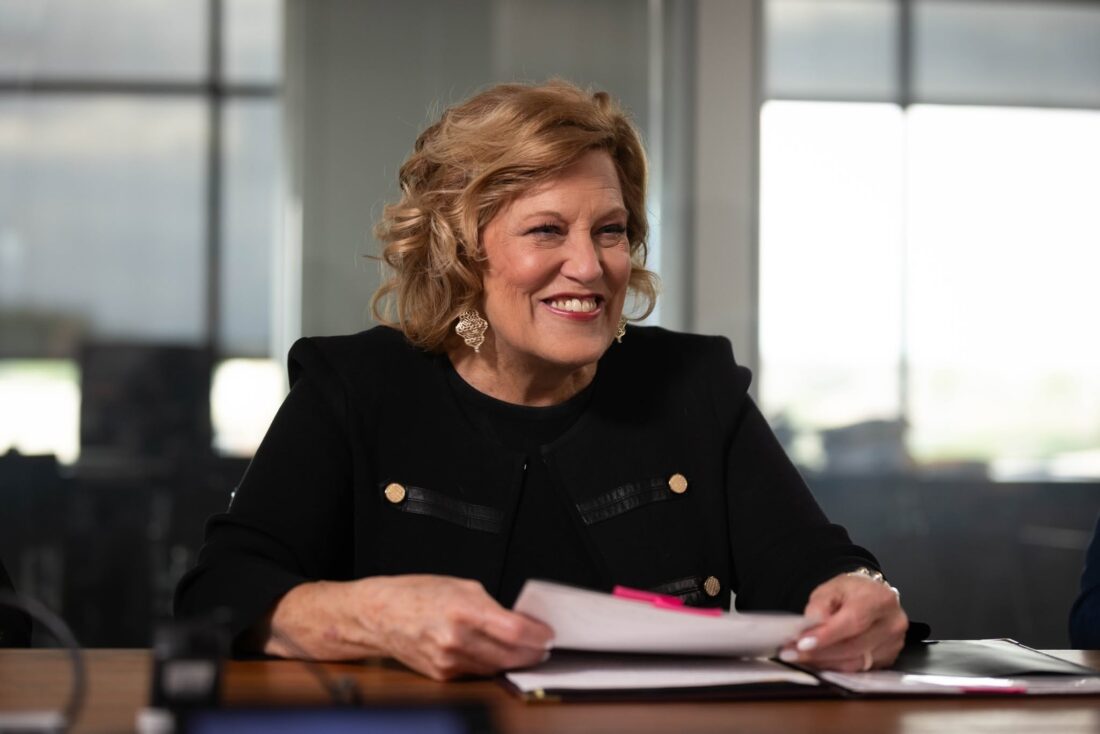
photo by: Screenshot
Vicki Schmidt
Schmidt worked for over 40 years as a pharmacist before serving in the Kansas Senate and now serving as the State Insurance Commissioner.
Schmidt said the state legislature has “been playing games with property taxes” and proposed “political gimmicks” that don’t reduce cost. She said as governor, she would get key stakeholders around the table to work on a plan that lowers property taxes without unfairly shifting the burden.
As inflation has risen, Schmidt said the Legislature keeps spending more than it takes in, which exacerbates the problem. As governor, she said she would streamline the state government and give the savings back to Kansans. Schmidt said she has already done that as Insurance Commissioner, saying she lowered costs in Kansas by $96 million and returned over $200 million back to Kansans “who were being cheated.”
Schmidt believes that data center projects should be decided at a local level, but they should “pay their fair share.” She also would put in policies that add “guardrails” to protect ratepayers from increased utilities costs and ensure water quality.
Schmidt said the state has “urgent” healthcare needs, especially in terms of mental health issues for younger Kansans. Schmidt said she would propose a ban on social media for kids under 16 without their parent’s consent. In addition to helping mental health issues, Schmidt hopes to tackle affordability and access issues.
Secretary of State — Democratic Primary
Samuel Lane
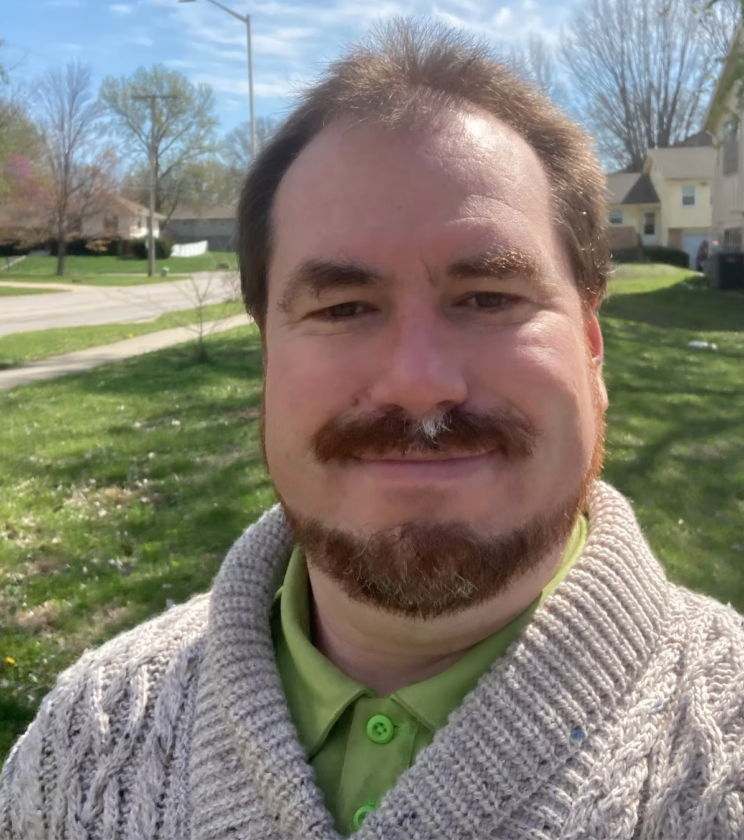
photo by: Screenshot
Sam Lane
Lane works in inspection and materials testing for construction at Kaw Valley Engineering after graduating from the University of Kansas with a degree in Psychology.
Lane said he believes that Kansas has “some of the most secure elections in the country,” and he would intend to keep the elections secure from threats by working with county sheriffs to make sure there are plans in place. Additionally, he would fight against measures like excessive ID requirements and unnecessary voter roll purges to fight to tackle voter suppression.
Lane sees some of the state’s biggest concerns as affordability issues, hyperpartisanship and “sidelining” of the Constitution. He said he doesn’t have the economic know-how to reduce the growing wealth gap, but he thinks tackling election integrity can help because without it, it is “very unlikely any of these other problems will get solved.”
Lane said he wants to be in charge of elections to be “unafraid to say ‘no'” to requests that go against the Constitution and the rule of law.
Jennifer Day
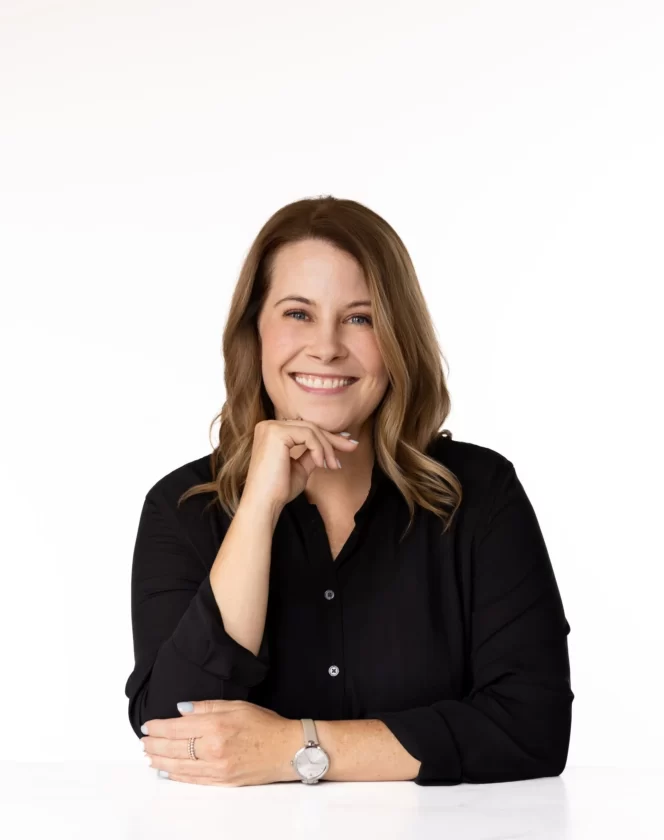
photo by: Contributed
Jennifer Day
Day spent over 15 years as an executive assistant before she opened her own business focused on real estate investment and interior design in 2013.
Day said she believes Kansas has “great processes in place” to maintain a high level of safety and security for our election systems. The rules in place like voter ID laws and mail ballot review and curing processes are just a few of the key elements that make sure the elections are secure while being extremely accessible.
While Day said she thinks the key issues that Kansas face are more focused on the rising cost of living and healthcare, the Secretary of State can best serve the public by ensuring “every eligible Kansan can participate and feel confident in secure, transparent elections.” Day said she would be focused on providing efficient services, promoting voter education and maintaining transparency and accountability.
State Government
Opinion: The Lawrence man seeking to break the power of Republican, Democratic parties this election
State tax receipts top estimate by $147M for quarter
TOPEKA — The state of Kansas collected $147 million more in taxes than anticipated during the first quarter of ...
Rep. Tracey Mann to skip candidate forum in Lawrence; spokesman scarce on details

Kobach, Mann debate criminal justice priorities at Tuesday event as they campaign in attorney general race
Kansas must count mail ballots that arrive three days after November election, appeals court rules