Illicit drug was mailed to Douglas County Jail, and inmates lit it with lithium batteries from computers, affidavit alleges
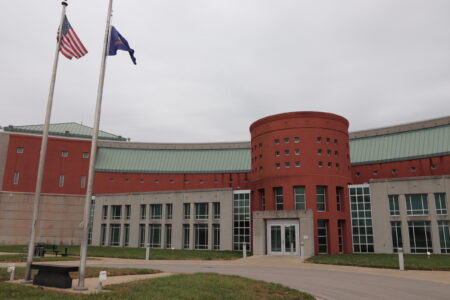
photo by: Josie Heimsoth/Journal-World
The Douglas County Jail, 3601 E. 25th St.
Updated at 5:24 p.m. Tuesday, June 16, 2026
The illicit drug K2 was mailed to the Douglas County Jail, and inmates there used lithium batteries from computer tablets to light the substance, according to allegations in a recently released arrest affidavit.
Two inmates, Caiden Clem, 19, and Temujin Jernigan, 24, have been charged with the felony of trafficking contraband in a correctional facility. Both men are in jail awaiting trial on separate gun crimes — Clem for aggravated assault connected to The Hawk shooting in January; and Jernigan for attempted first-degree murder in the January shooting of a 23-year-old man at the Hawks Pointe apartments. Jernigan is also facing drug charges in a different case.
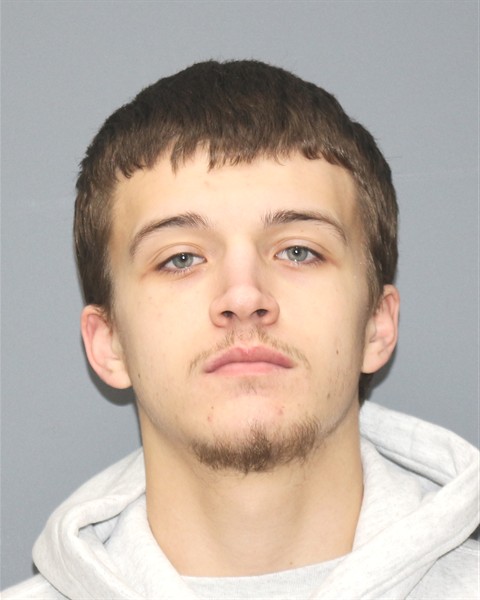
photo by: Kansas Department of Corrections
Caiden Carl Ralph Clem
According to the arrest affidavits in both contraband cases, which are identical except for differing redactions, an inmate alerted jailers on April 3 to “an envelope that has paper with K2 sprayed on it” and to broken tablets with the lithium batteries removed.
Two days later, another inmate, Dakota Logan Grundy, was allegedly “screaming and then passed out on his cell floor.” A broken tablet was reportedly found in his cell along with “a paper, smoking pipe and a lithium battery.”
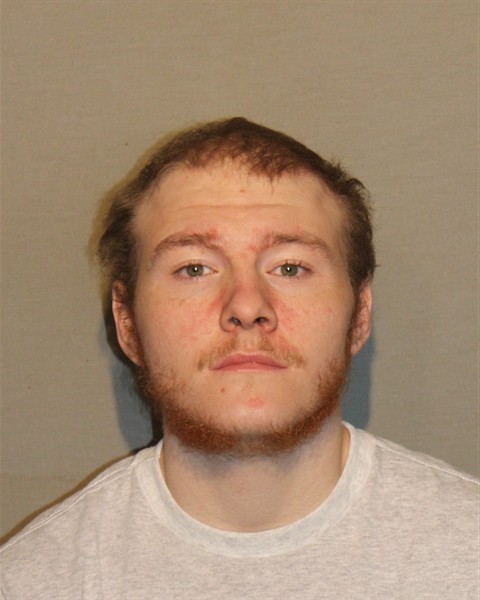
photo by: Kansas Department of Corrections
Dakota Logan Grundy
The reporting inmate is identified as Joshua Mayo in one affidavit, but his name is blacked out in the other. However, Mayo has admitted in open court to being the one who reported the incident to law enforcement.
Mayo indicated he was the cellmate of Clem — called “the little white boy” in the affidavit — who allegedly bragged that the K2 was coming through the U.S. mail, though he did not say it was being sent directly to him. The K2 was sprayed onto squares of paper that looked like “stamps” with white backs and colored fronts. Mayo reported that Clem had 40 or 50 squares of K2 in his cell — folded up inside legal papers — that Clem valued at about $2,000. He said Clem had indicated that he was going to sell them either in the jail or “when he gets to prison.”
Mayo said Clem had sold some of the K2 papers to Jernigan, who was paying with his commissary. A commissary is a type of store in a correctional facility where inmates, who cannot have cash, can acquire things like snacks and personal hygiene items.
Jernigan, after being read his Miranda rights, admitted to trading commissary items with other inmates but denied that any drugs were involved, according to the affidavit.
Officers then collected all property from Clem’s and Jernigan’s cells. In Clem’s cell, they found “legal mail” with 53 small square pieces of paper inside, according to the affidavit. In Jernigan’s cell, they found four small squares of paper folded in a letter similar to the papers from Clem’s cell. The evidence from both cells was then sent for testing to a crime lab, which ultimately determined that the papers contained chemicals found in K2.
K2 is a synthetic drug that mimics the effects of THC, the active ingredient in marijuana.
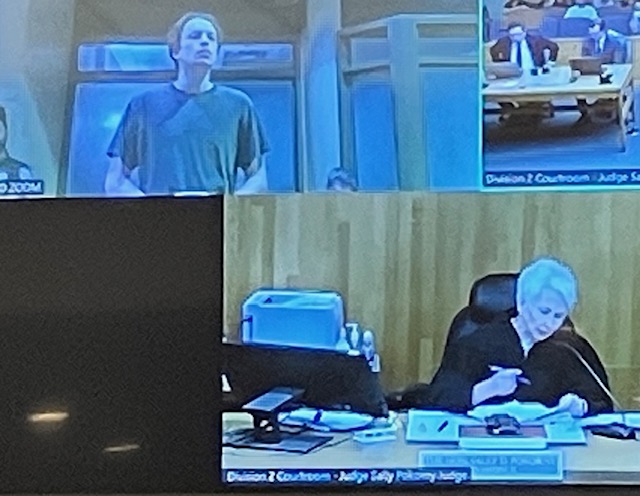
photo by: Kim Callahan/Journal-World
Temujin Jernigan, top left, is pictured — with the court’s permission — at his status conference on Wednesday, March 25, 2026, before Judge Sally Pokorny in Douglas County District Court. Jernigan was appearing via video from the jail.
When Jernigan was told drugs had been found in his cell, he denied bringing them into the jail, but reportedly said, “I’m going to have to take the fall for them, they’re in my cell.” According to the affidavit, he said he wasn’t going to throw anyone under the bus, unlike the person “running their mouth” and “being a double agent.”
Jernigan said he was about to be doing a lot of time in prison, and one of the worst things he could be labeled as was “a rat.”
When officers confronted Grundy about the medical issue he had experienced in his cell, he reportedly said that he had been smoking “weed” that he had been given — something green that looked like pepper and that he had lit with a battery, but he would not say who gave him the battery because he knew what happened to “rats” behind bars. Grundy had served time in prison for drug crimes and for aggravated assault on a law enforcement officer.
After Clem was Mirandized, he denied ever breaking a tablet or having any drugs in his cell. When told drugs had been found in his cell, he stated that “hypothetically” someone could have put the drugs in his legal paperwork as he was showing it to people, according to the affidavit.
Affidavits are sworn documents compiled by law enforcement officers that outline why they believe they had probable cause to make an arrest. Allegations in affidavits have not been proved in court.
At his sentencing in May for criminal threat, DUI and criminal damage to property, Mayo, 21, told the court — in hopes of getting probation — that Clem and Jernigan had asked him to break a computer tablet to get the battery out. He said they offered him K2 in exchange, but he declined to do it and told on them instead. He was then moved to the jail in Bourbon County for his own protection after turning in fellow inmates, he said. He was not shown consideration for reporting the K2 but was sentenced to 15 months in prison.
Clem and Jernigan are both being held in the Douglas County Jail on bonds exceeding $1 million.
When asked what the jail does to combat contraband in the facility, Douglas County Sheriff Jay Armbrister said the issue was a longstanding concern in every type of lock-up.
“Managing the smuggling of contraband into the jail is certainly not a new challenge for us or any correctional facility that operates — large or small,” he said via email. “In this case, as with any of these that we face, we investigated it thoroughly and acted appropriately from there. At this point, we look forward to this case working its way through the system.”
The sheriff’s office said that most people in custody have access to tablets at different times throughout the day.
“They are for both educational and entertainment purposes, which would be approved sites and content,” sheriff’s office spokesman George Diepenbrock said in an email. “They can also be used to message between family and friends.”
Public Safety

Man accused of selling wristbands to enable minors to drink at time of Hawk shootings is sentenced to probation

36-year-old Lawrence man confessed to raping 13-year-old girl, affidavit says
Evacuation drill planned Tuesday at Lawrence City Hall
Douglas County’s newest pro tem judge sworn in

Woman has renewed hope for justice 17 years after reporting rape in Lawrence