In celebrating 80 years, University Press of Kansas wants focus on what it does best while aiming to expand its offerings

photo by: Bremen Keasey
University Press of Kansas building on KU's campus, 2502 Westbrooke Cir. taken on Sept. 27, 2025.
For the 80 years that the University Press of Kansas has been around, it has been about focus.
The press traditionally served as the publishing house for Kansas’s six state universities — Emporia State University, Fort Hays State University, Kansas State University, Pittsburg State University, the University of Kansas, and Wichita State University. In that time, it has published over 2,000 different titles, according to Kelly Chrisman Jacques, the director and managing editor for the University Press of Kansas.
While its focus and mission has always been to publish scholarly works that contribute to the understanding of Kansas, the Great Plains and the Midwest, Chrisman Jacques said UPK has gained a lofty international reputation among scholars in some of its key fields.
“It’s like a brand of honor to publish with UPK,” Chrisman Jacques said.
As the press celebrates its 80th year, Chrisman Jacques hopes to continue its proud scholarly tradition while ensuring it can expand by focusing on what it does best: maintaining its award-winning works and building strong relationships with authors
•
Although its initial focus was publishing works for its controlling universities, UPK steered greater focus into certain topics that led to it evolving into something bigger.
Chrisman Jacques said the majority of what UPK has published is scholarly works in fields like U.S. history, histories of the American presidency, political science, military history, legal studies and Kansas and regional history. That focus did not occur on accident. Instead, she said it was an intentional choice by the press’s former directors, Fred Woodard.
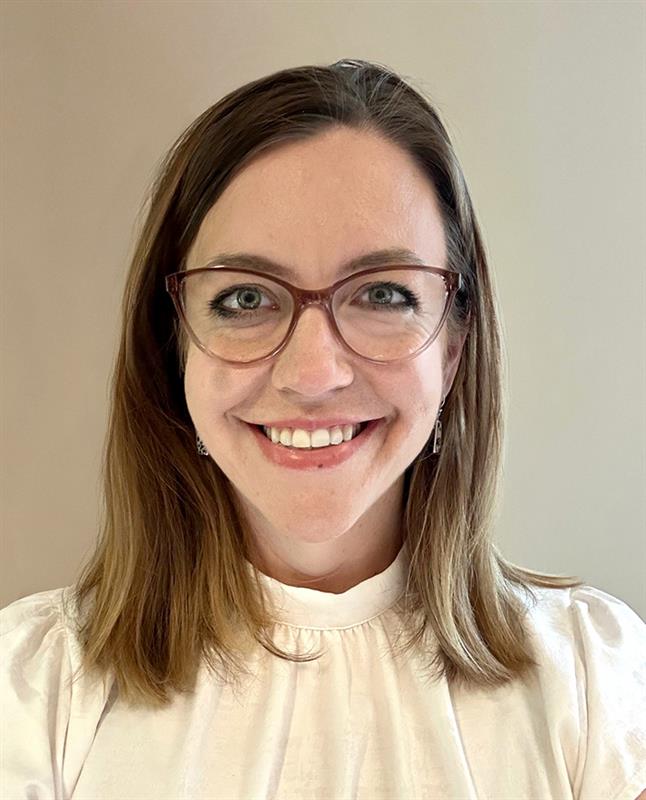
photo by: Contributed
Kelly Chrisman Jacques, the director and managing editor for the University Press of Kansas.
Chrisman Jacques said the focus on a couple of strong fields was a “prudent business model” that set the press up for success. By narrowing in a couple of specific areas, the press got a strong reputation for publishing good research — especially in areas like political science and military history — that led to scholars “wanting to publish with (them),” according to Chrisman Jacques.
Laura Pilcher, the senior marketing manager with the UPK, said the success and reputation gained through the press’s long history has made it easier to attract new authors. Pilcher said she previously worked for major publishing shops before, but UPK’s scholarly focuses means its team is approached by authors “quite frequently.”
The focus on specific topics — in their parlance, “lists” — Pilcher said it allows the press to be in a position where it can try and sort of spot trends and see what audiences “are eager to read about.” Knowing what kind of topics might be missing in a specific list like political science, Pilcher and UPK can find a kind of story that “people are looking for” and publish that.
The strong reputation means that scholars want to write for UPK and people in the marketing world know where to sell it, according to Chrisman Jacques, and that strategy has served both its authors and the press for years.
“With a focused list, you’re able to gain a reputation not only with scholars, (but also) you establish contacts that set you up for success,” Chrisman Jacques said.
•
Although its reputation helps bring in new authors, the focus in relationship building means writers want to keep publishing for the University Press.
Pilcher said compared to big publishing houses, UPK editors and the rest of the team spend a lot more time working with authors it plans to publish. Part of that is because many authors are “very eager” to publish with the group, but they also are working with their writers “from the very beginning (to) past the publish date.”
“We are here for the authors,” Pilcher said. “We support them in everything they want to do.”
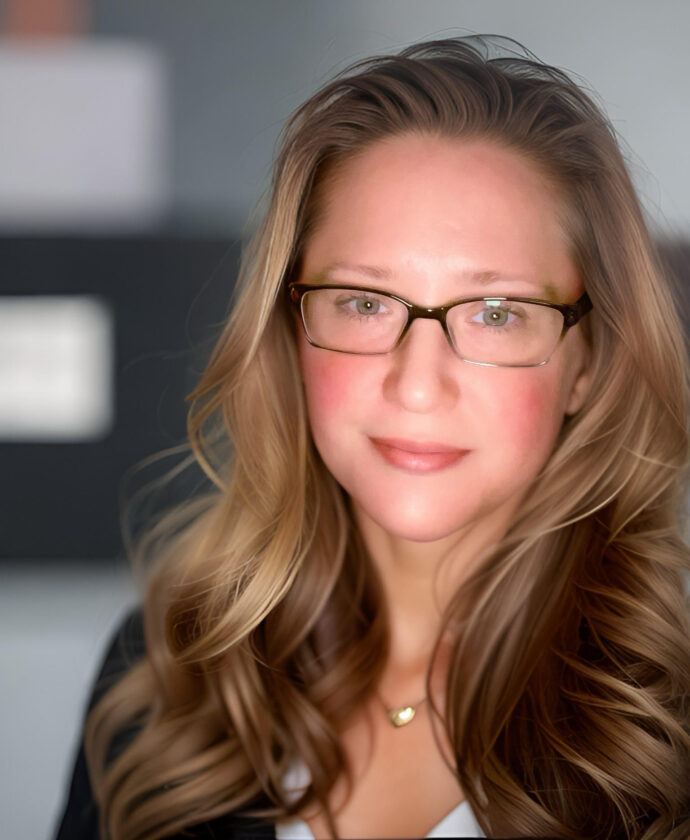
photo by: Contributed
Laura Pilcher, a senior marketing manager with the University Press of Kansas.
From Pilcher’s marketing perspective, she said that many first-time authors might not know exactly what the process will look like or what to expect once their story is published. Pilcher said that UPK is happy to sometimes “hand hold” the first-time authors and guide them through the promotional phase. She said the press tries to “empower” its authors and make it so they feel comfortable going out and promoting themselves and their book.
“We’re standing right behind them,” Pilcher said.
That lasting help and assistance can be highlighted through UPK events. Pilcher said they are planning to host an author panel later this year at the Kansas Book Festival. When they reached out to the authors on their list who might want to speak, Pilcher said everyone one of them agreed to join them.
Chrisman Jacques said that helps illustrate how key it is for UPK to work alongside their authors.
“Publishing isn’t just transactional,” Chrisman Jacques said. “It is about relationship building.”
•
Even with its strong foundation, Chrisman Jacques said the press not only needs to expand into other areas, but it is a great opportunity.
Chrisman Jacques said the University Press has worked to be more accessible and expand its digital reach, publishing E-books and working with databases like JSTOR to make sure works in its collection can have more impact to wider audiences.
Another key focus is finding more stories with crossover appeal that can reach the general audience, Chrisman Jacques said. Many of the press’s works are for academic audiences who are research inclined, but they are trying to find more stories that could speak to general readers who are “reading for fun.”
One way that the University Press has looked to expand is by adding a new nonfiction imprint called Plainspoken Books, which aims to amplify Midwestern voices and tell local stories that have national significance. As the Journal-World reported, that imprint published its first book last year with “Whirlwind,” a memoir by television journalist and KU alumnus Bill Kurtis.
Those types of stories are the kinds of things that could have crossover appeal, according to Pilcher. A general reader wants to see narrative storytelling and not be bogged down in dense, academic language that could be “too much” and put down after two pages.
Stories that the press gets that could have that crossover appeal undergo a different editorial process, which is still focused on scholarly integrity but works to make sure the title “can speak beyond academic audiences,” Chrisman Jacques said. On the marketing front, Pilcher said those “crossover” books get a different experience that aims to “give more of a leg up” so it can reach the general audience as well.
Chrisman Jacques said one example of a recent work that revealed the ways UPK could cross over is with Kansas Matters. Edited by Thomas Fox Averill and Leslie VonHolten, the book features 35 different authors that feature a mix of poetry and prose that highlight what it means to be a Kansan. Chrisman Jacques said its storytelling is deeply tied to Kansas, but the authors also tell stories “that can also speak to the nation.”
“It’s an exciting new publication,” Chrisman Jacques said.
University Press is excited to celebrate its impact on scholarship with 80 years of bringing rigorous scholarship to broad audiences. Chrisman Jacques said that as the group looks to continue and focus on what it does best, it is also focused on finding ways to grow and serve the public for many years to come.
“We’re looking for collaborative opportunities that help us better serve those universities and Kansas and the region,” Chrisman Jacques said.
KU

Monarch Watch reflects on study tracking butterflies with solar-powered radio tags
In celebrating 80 years, University Press of Kansas wants focus on what it does best while aiming to expand its offerings

KU advisers say growing PathwayU program has helped students better understand major, career options

Girod traveled to the White House to discuss future of college sports, but he thinks Congress holds the keys

Board of Regents likely to maintain oversight of KU, other universities after legislative committee reworks bill