

With prompts for tipping rising over the past few years, KU professor looks for ways to make it less stressful for all
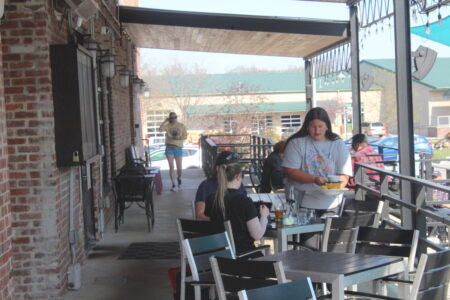
photo by: Bremen Keasey/Journal-World
A server brings food to customers at Lawrence Beer Co., 826 Pennsylvania St. on Monday, April 6, 2026.
It’s not just you — most Americans believe that prompts for tipping have become more prevalent in recent years.
Approximately 72% of Americans reported that they have seen more tipping prompts in recent years, according to a November 2023 report from the Pew Research Center, and customers are being asked to tip not just at traditional service places — sit-down restaurants or hairstylists — but at fast food restaurants, auto repair shops and even self-checkout stands. That recent rise in expectations for tipping seems to have come to a tipping point for many customers.
“The direction tipping is going doesn’t seem to be working for a lot of consumers,” said Rob Waiser, an assistant professor of marketing at the University of Kansas.
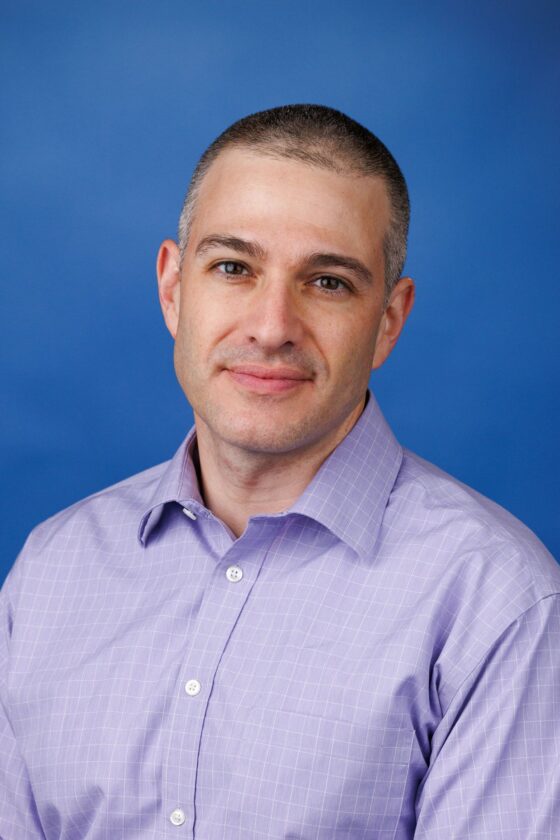
photo by: Contributed
Rob Waiser, an assistant professor of marketing at the University of Kansas.
Waiser was part of a team of researchers who studied the increased prevalence of tipping to try and find out why it has increased and how businesses can look to make the practice less of a headache for everyone — business owners, workers and customers. The findings, which were recently published in a Harvard Business Review article called “When Tipping Becomes a Customer Experience Problem,” explored in depth how the practice of tipping has changed in recent years.
The article identified two concepts — tip creep and tipflation — that seem to sum up consumers’ frustration with tipping culture. Tip creep is the increasing prevalence in tip prompts in less traditional places, while tipflation describes how the amount people expect for a tip has gone up. Waiser said although these concepts aren’t “revolutionary,” he felt it was useful to “put the language to things that people intuitively feel.”
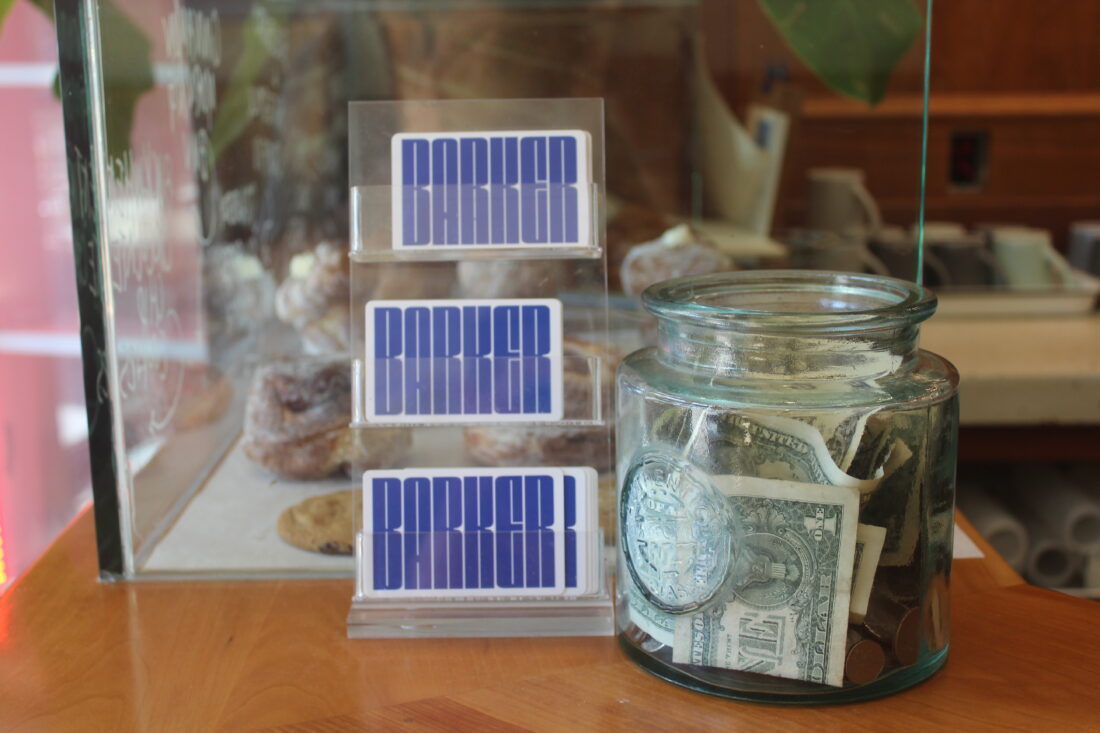
photo by: Bremen Keasey/Journal-World
A tip jar at Barker Cafe and Bakery at 816 Massachusetts St. in downtown Lawrence on Monday, April 6, 2026.
Waiser found that technological changes have made it easier to ask for tips — like prompting customers to tip through screens — and the rise in the gig economy led to more jobs having a service-like aspect. The COVID-19 pandemic also was a factor. Waiser said tipping “skyrocketed” in the early months of the pandemic as people had a greater appreciation for service workers. All those things created a “perfect storm” for tipping culture to extend to more places, according to Waiser.
One alternative would be for restaurants to decide to not allow tipping, but Waiser found that restaurants that try that model “rarely seem to work.” For a business owner to decide to get rid of tipping altogether, they would then have to pay their workers more. To pay their workers more, the prices of the food would need to go up. In theory, Waiser said removing the tip and raising prices should “balance out” the cost for customers, but they also might just see the higher prices and decide the restaurant is too expensive.
Waiser said restaurants that decide not to tip also face challenges on the labor side. For example, if you are a server who is a high tip earner, you would not want to work at a restaurant that would not allow for tips. You would instead want to work at a restaurant where you can earn tips and therefore more money for yourself. Waiser said that business owners who switched to the no tipping model found it harder to keep their best earners working for them.
These findings seemed particularly interesting to Waiser because so many other countries have no expectations about tipping and their restaurants run fine. He did note there were some examples of restaurants doing away with tipping and succeeding in the United States. In those situations, owners often provided incentives for employees that went “above and beyond,” like paying them an exceptional wage or giving them a stake in the business. But going against the current restaurant model is a challenge for most owners.
“If no restaurant allows tipping, those problems go away,” Waiser said. “But if most do and you’re the one that tries to get rid of it, that’s very difficult.”
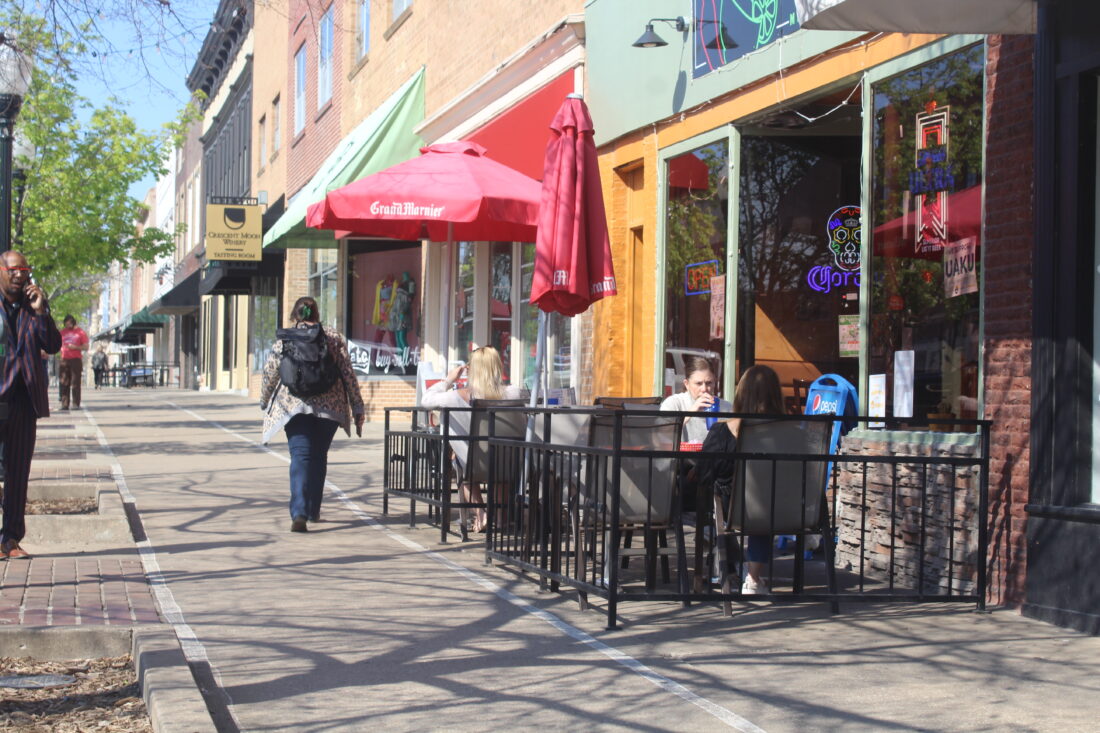
photo by: Bremen Keasey/Journal-World
Diners sitting outside at Fiesta Cancun restaurant, 740 Massachusetts St., in downtown Lawrence on Monday, April 6, 2026.
With no perfect solution, Waiser suggests that businesses should go “back to the basics” when it comes to implementing a tipping program. Fundamentally, Waiser and his team suggest that tipping is called for when there is distinctiveness and observability.
In terms of distinctiveness, Waiser said that means there is a service element “separate from the thing I’m already paying for.” For example, at a restaurant, you pay for the food, but your server brings you the food, refills your water and then takes away your plates. If you were to buy a video game, Waiser said “there is no additional element beyond the game I’m already paying for,” so it would not make sense to tip.
For the basis of observability, Waiser said the customer should be able to see what the worker is doing and evaluate “how good or bad the service was.” If a car mechanic is working on your car, observability isn’t there, because you don’t normally watch the mechanic do their job.
Waiser said that those ideas won’t single-handedly fix the tipping culture or solve all the problems with the practice overnight. There are a lot of complexities of why and how much people tip, as well as different perspectives on why people like the idea of tipping or don’t. But he feels business owners can make simple tweaks to tipping that can “improve the customer experience in a way that is acceptable to owners and not harmful to workers.”
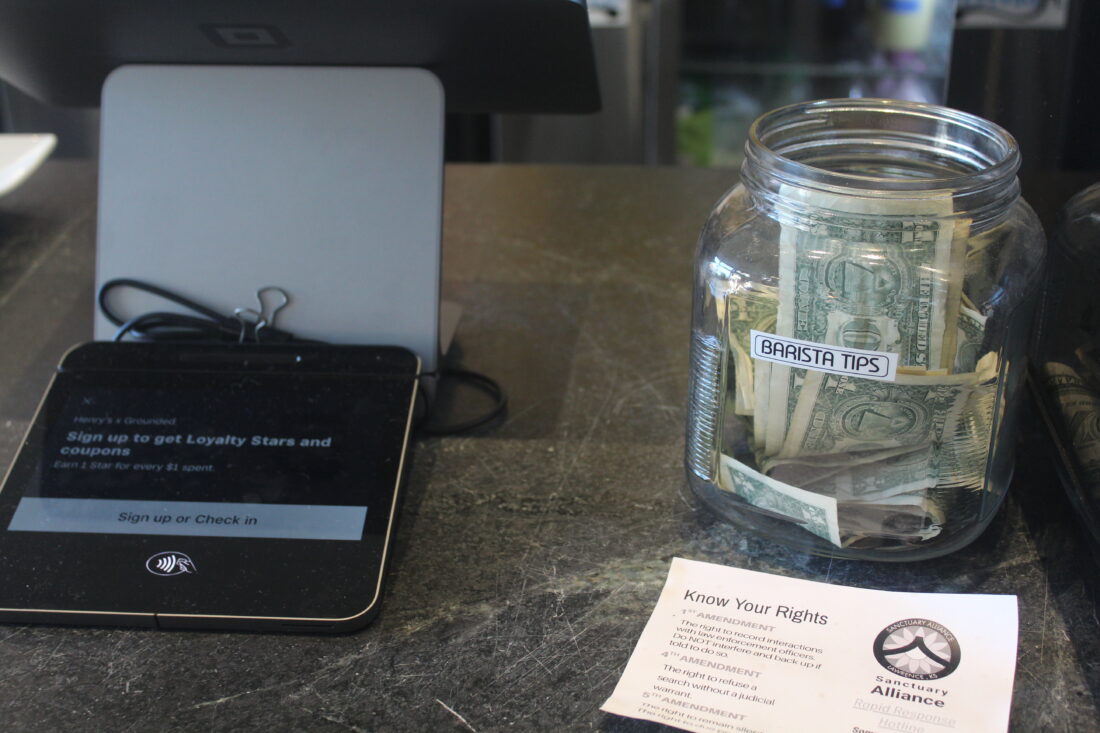
photo by: Bremen Keasey/Journal-World
A tip jar at Grounded Coffee at 11 E. Eighth St. in downtown Lawrence on Monday, April 6, 2026.
KU
KU Religious Studies to host public talk with Justice Matters about the group’s role in promoting community health
With prompts for tipping rising over the past few years, KU professor looks for ways to make it less stressful for all
KU’s lesser known powerhouse: A look at how the debate team wins against the best of the best

University of Maine leader named as a finalist for KU journalism dean position
Self announces he will continue as KU coach
