A Douglas County supportive housing program saves an estimated $108,000 in public service costs, new analysis finds
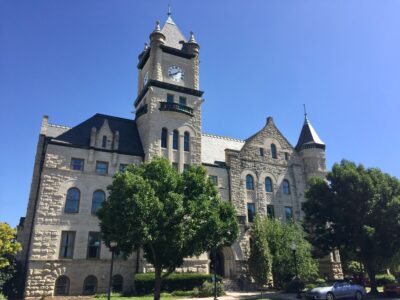
photo by: Journal-World
The west side of the Douglas County Courthouse, 1100 Massachusetts St.
A Douglas County supportive housing program helping chronically homeless residents secure stable housing has generated an estimate of nearly $108,000 in public service savings, according to a new county analysis.
A work session was requested by the Douglas County Commission to provide an update on the county’s Flexible Housing Pool program – which is funded to help chronically homeless households transition to more stable housing annually. The program provides rental and utility assistance as well as case management and other supportive services.
According to a service utilization analysis on the program, from March 2024 to May 2026, 24 individuals have been served so far over the course of the program. There are 18 individuals currently housed and enrolled in the program. Of the 18 individuals currently utilizing services, 50% are women and all of them are identified to have a disability.
The analysis said 14 of the 18 people have a record of staying at the Lawrence Community Shelter, LCS, spending an average of 128 days at the shelter. Between the 14 people, they spent 1,796 days at LCS altogether. Since those individuals joined the Flexible Housing Pool program, they have not been back at the shelter.
This program is expecting to address a larger issue, where shelter demand has more than doubled since the middle of 2024. As the Journal-World reported, LCS served 806 individuals in 2025, and in the month of December, LCS operated with nearly all of the beds being used – with only one bed shy of full capacity, according to LCS’ annual report, leaving almost no excess space for additional guests.
The Flexible Housing Pool program’s analysis provided a conservative estimate of approximately $107,960 in savings for public services based on data from the 18 individuals being served.
After being housed through the program, the analysis shows zero shelter use, resulting in an estimated $98,780 in shelter resources freed up.
In addition, the program is anticipated to have reduced the use of hospital emergency department visits. Criminal justice system involvement also declined.
Douglas County initially became involved in supportive housing services in April 2024 in partnership with the Bert Nash Community Mental Health Center and a U.S. Department of Housing and Urban Development grant. The grant funded permanent supportive housing services for 12 chronically homeless individuals.
To expand those efforts, the county created the Flexible Housing Pool supportive housing program to serve up to 22 households annually. Since both of the programs were similar, staff decided to combine the programs since they have a nearly identical population focus and services and program framework.
The supportive housing services are maintained by Mental Health America of the Heartland, which took over for Bert Nash in November 2025, as the Journal-World reported. Lawrence-Douglas County Housing Authority provides administration and management of the rent and utility services for the households being served.
The 2026 budget has $932,552 available to support the program, with a majority of the amount covered with the behavioral health sales tax. This is an increase of about $321,000 from the previous year because staff were preparing for a potential loss or reduction of federal grant funding from HUD.
However, the county ended up receiving HUD grant money to support 12 chronically homeless individuals in the program. The county was awarded $156,864 to provide service to the individuals from April 1, 2026, through March 31, 2027, offsetting some of the county costs allocated towards the program this year.
The 2027 budget will include a request for $921,000 in ongoing funding to support the Flexible Housing Pool program, as there continues to be funding uncertainty with the same HUD grant. The program will be discussed further during budget deliberations in July.
IN OTHER BUSINESS, COMMISSIONERS WILL:
• Discuss the progress of Douglas County, ALIVE Inc. and community partners in expanding the peer workforce and integrating lived experience across the behavioral health system. The county’s behavioral health focus area of the Community Health Improvement Plan – a five-year road map for health and well-being in a community – has two key objectives to continue advancing lived experience across the system.
Those objectives are to 1) expand the peer workforce and increase the number of employed peer specialists, certified peer mentors, recovery coaches and peer first responders by 50% by 2027; and 2) establish a “Clubhouse Model” to support community members living with mental illness and co-occurring substance abuse disorders and offer non-clinical opportunities by 2028.
Staff and members of the peer support workforce will be providing an update on these efforts and highlight opportunities and startup efforts to launch the Anchor Pointe Clubhouse, a proposed community-based recovery program in Douglas County utilizing the “Clubhouse Model.”
• Consider authorizing staff to accept the fiscal year 2027 Permanent Families Fund Grant Award to go towards operations of the Citizen Review Board – a volunteer program of Douglas County District Court – in the amount of $58,844. The grant can be used for staff salaries, volunteer support, mileage reimbursement, case review activities, training, and data reporting required by the Kansas Office of Judicial Administration.
The County Commission will have a work session beginning at 4 p.m. Wednesday in the Douglas County Commission meeting room at 1100 Massachusetts St. The business meeting will follow at 5:30 p.m. The meeting will also be available via Zoom.
Other News
RJ Mitte, ‘Breaking Bad’ actor and disability rights champion, dies at 34
Clinton State Park and other state parks will increase overnight camping, vehicle permit fees starting next month
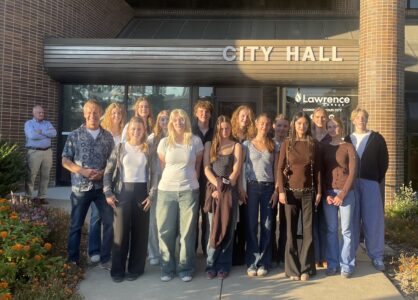
‘No day is like the other here’: Students from Lawrence’s German sister city discover football, new foods and new friends on exchange
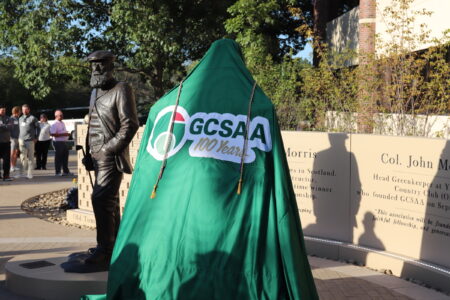
GCSAA celebrates 100 years with new plaza and statue honoring its founder and first president

Go, See, Do: Library book sale, candidate forum and more