Director of behavioral health projects urges community to ‘apply pressure,’ hold county leaders accountable in opening embattled crisis center

photo by: Kim Callahan/Journal-World
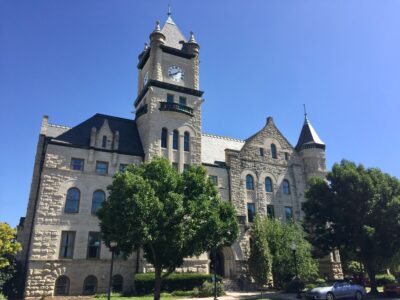
The Treatment and Recovery Center of Douglas County is pictured on Saturday, Oct. 22, 2022.
While Douglas County’s director of behavioral health projects, Bob Tryanski, didn’t have much new information to share with the Coalition for Homeless Concerns Tuesday about the status of the county’s yet-to-open behavioral health crisis center, he did urge them to keep the pressure on county leaders to get it right.
Tryanski answered questions from the coalition about the Treatment and Recovery Center of Douglas County at the nonprofit’s meeting on Tuesday afternoon. But he also made it clear that he wasn’t speaking for the county in any of his answers.
That’s because, he said, the county owns the TRC, and the final decision regarding who will operate it will ultimately be approved by the Douglas County Commission. A goal — or even an estimate — for when the facility might open, he said, is a great question to continue to ask of the commission, and he encouraged people to continue to actively participate at future County Commission meetings.

photo by: Journal-World
Bob Tryanski, Douglas County’s director of behavioral health projects, speaks to the Douglas County Commission at its Wednesday, March 27, 2019, meeting.
“At the end of the day, the group that makes the decisions is the county commissioners, and I know they want to hear from the public and want to know what their values, their priorities and their concerns are,” Tryanski told the group. “I think it’s important to stay involved. I think it’s important to give some grace, some patience. I think it’s important to apply pressure. Hold us accountable to get this right.”
Tryanski did answer one question a bit more directly: what he thinks might be the most immediate barriers to opening the center. His answer included ensuring there’s confidence that the county has shown due diligence in its readiness to open the center; putting together a good operating agreement with whatever entity is chosen to operate the center; and establishing some clear benchmarks and expectations for what needs to happen to increase the center’s capacity in phases once it’s open.
He also added that the TRC isn’t the only resource aimed at tackling behavioral health crises in the community. Two resources that he said are intended to operate hand in hand with the center are already working: the 988 crisis line operated by Kansas Suicide Prevention Headquarters and a mobile crisis response team headed by Bert Nash Community Mental Health Center.
The commission’s Dec. 14, 2022, meeting was the last time county leaders heard a formal update about progress with the center. More than three hours of that meeting was dedicated to the TRC, and coalition members on Tuesday described it as a “firehose” of information. Since then, information about where things stand has been sparse.
At that meeting, Bert Nash threw its hat in the ring to be considered as the facility’s operator at the recommendation of the nonprofit originally formed to run it, Behavioral Health Partners. Details like the operating agreement and more were part of a lengthy list of documents Bert Nash prepared and submitted for county staff and commissioners to review, and that work is apparently ongoing.
Other News
U.S. Sen. Roger Marshall faces Democratic, Libertarian challengers in general election

Incumbent Douglas County commissioner and newcomer challenger face off for District 5 seat
Primary winner faces incumbent’s write-in campaign in Douglas County Commission District 4
A student-run coffee shop will open at Community Connections at Pinckney next week
Douglas County commissioners to discuss proposed changes to funding agreements with community partners