KU prof leading $4.2M river study to predict effects of climate change, development
Effort is largest-scale research project of its kind; field work will span 18 rivers in Mongolia and United States
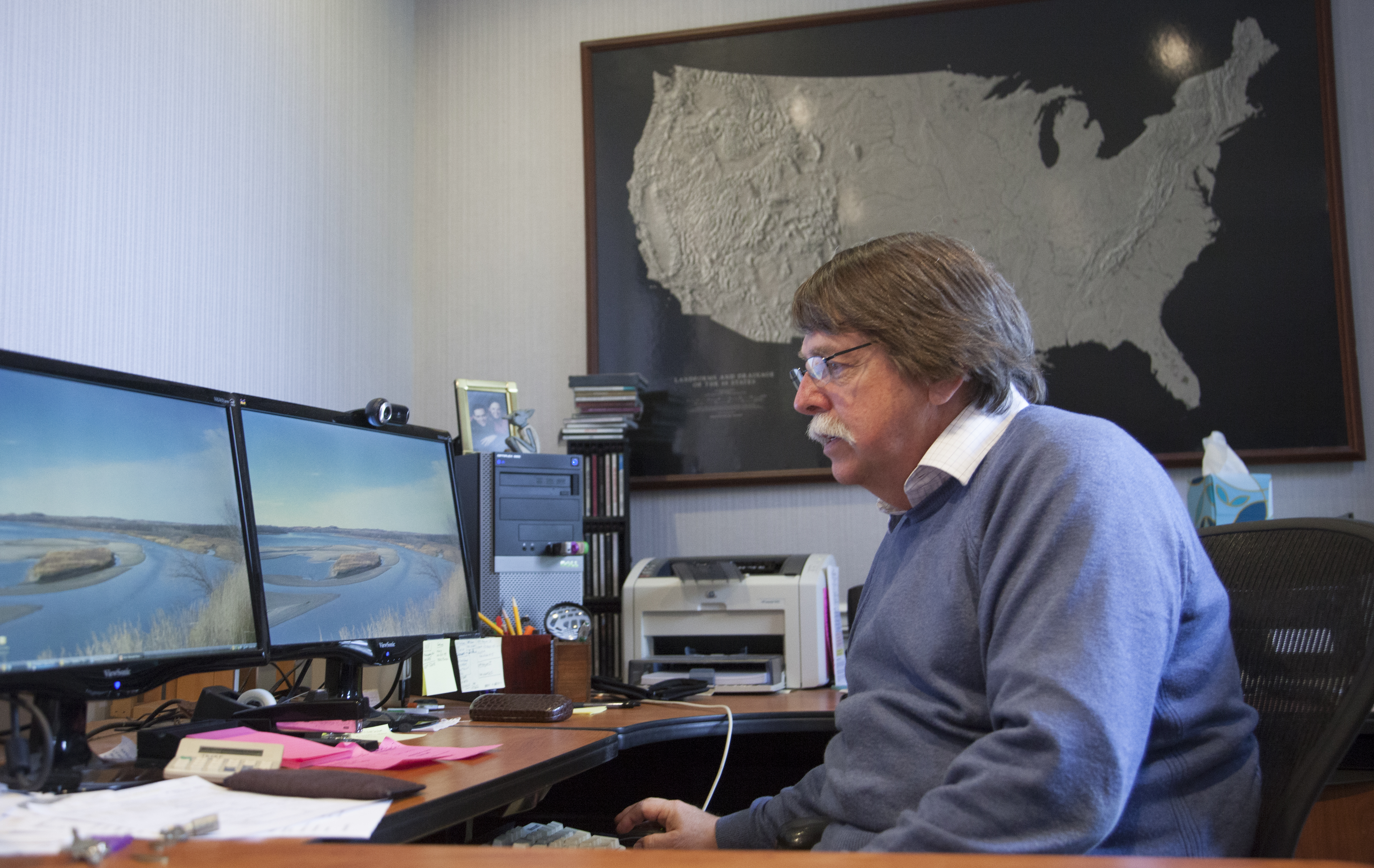
Kansas University evolutionary biology professor James Thorp will be the lead investigator for a .2 million National Science Foundation grant to research how climate change and development affects river systems in the United States and Mongolia. Thorp says that North American river systems, with their dams and presence of non-native fauna, could foreshadow the future of rivers in Mongolia, and what is observed in Mongolia could indicate changes U.S. rivers will undergo as the climate here changes in the future.
Leading the broadest ever study of river macrosystems is bound to take one to some remote territory.
The next few summers will find Kansas University professor James Thorp and teams of researchers in areas of Mongolia up to eight hours away from the nearest city. They’ll be sleeping in yurts, trolling vast rivers in jonboats and plucking specimens from giant Mongolian trout and other fish and water insects.
They’ll do similar work on U.S. rivers — covering 18 rivers in all, nine in each country.
Thorp is lead investigator on the study, enabled by a recently announced $4.2 million National Science Foundation grant. He said KU is getting about half of the hefty grant total, and the rest will be divided among eight other universities he’s teaming with, including one in Mongolia.
“We want to do this to help both countries predict changes and maybe control their environment better than we do now,” Thorp said. “We want to understand how to manage rivers.”
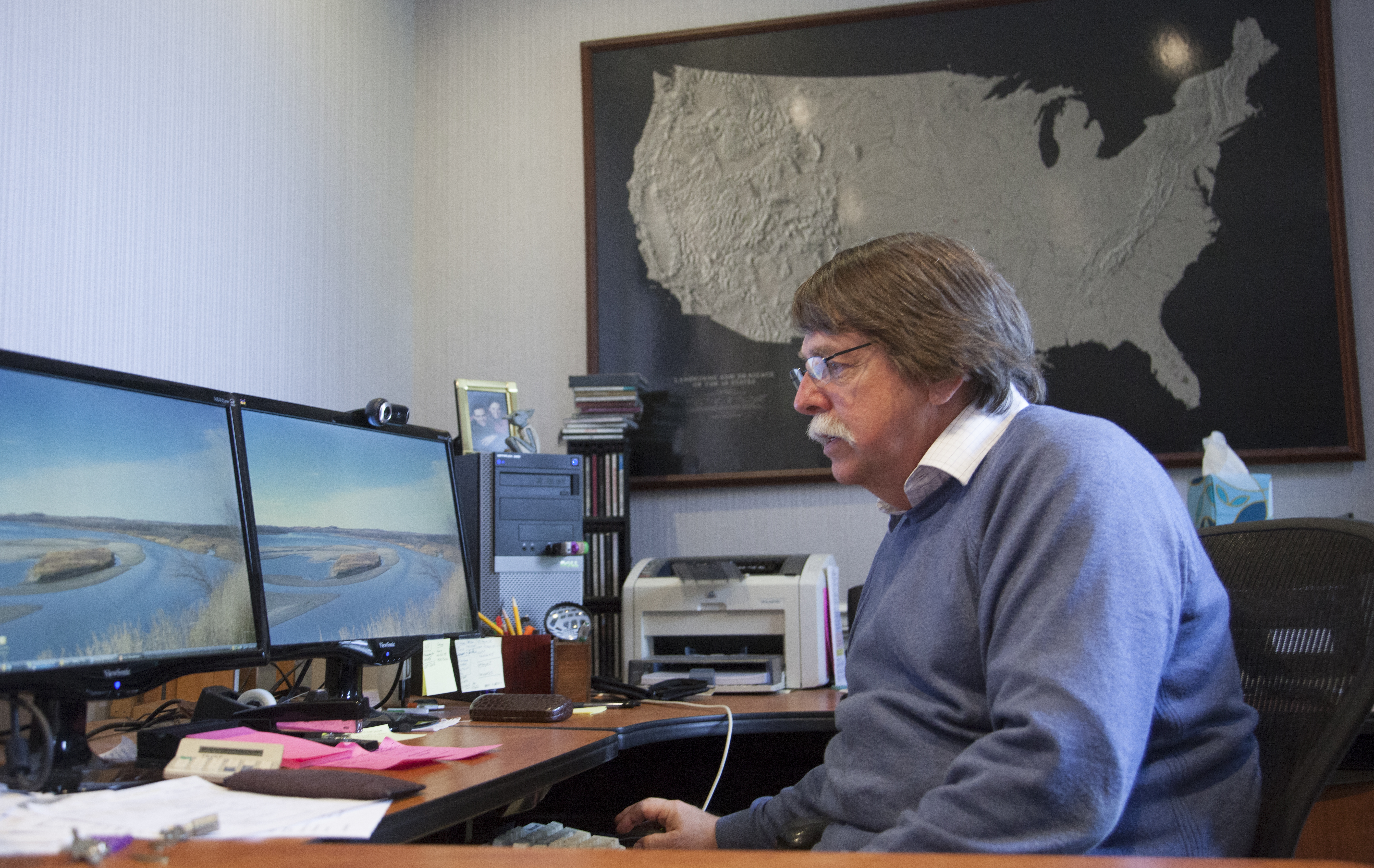
Kansas University evolutionary biology professor James Thorp will be the lead investigator for a .2 million National Science Foundation grant to research how climate change and development affects river systems in the United States and Mongolia. Thorp says that North American river systems, with their dams and presence of non-native fauna, could foreshadow the future of rivers in Mongolia, and what is observed in Mongolia could indicate changes U.S. rivers will undergo as the climate here changes in the future.
The study’s ultimate goal is two-fold, said Thorp, a professor of ecology and evolutionary biology and a senior scientist with KU-based Kansas Biological Survey.
One: study Mongolian rivers to predict the effects of future climate change on U.S. rivers.
Two: study U.S. rivers to predict the effects of future development on Mongolia’s rivers.
The temperatures in Mongolia are changing three times as quickly as the northern temperate zone, which includes the United States, Thorp said. Researchers hope to study water and organisms in Mongolian rivers to reveal what changes may be in store for other parts of the world as the climate warms.
In the United States, rivers are full of dams, non-native fauna and invasive species, Thorp said. By studying species here researchers hope to shed light on what changes future development could spark in Mongolia.
Mongolia’s rivers, by comparison, are virtually untouched. There, Thorp said, only a few rivers even have bridges over them and there are no dams — though the country is planning to build a large one on its Selenge River.
“These are all native fauna in Mongolia,” he said. “Whereas in the U.S. we’ve introduced a lot of species … also, we have a lot of dams.”
Unprecedented scope
What makes this project pioneering is its breadth, Thorp said. Many have studied smaller sections of or certain populations in rivers, while this project tackles entire river systems — part of the National Science Foundation’s MacroSystems Biology program.
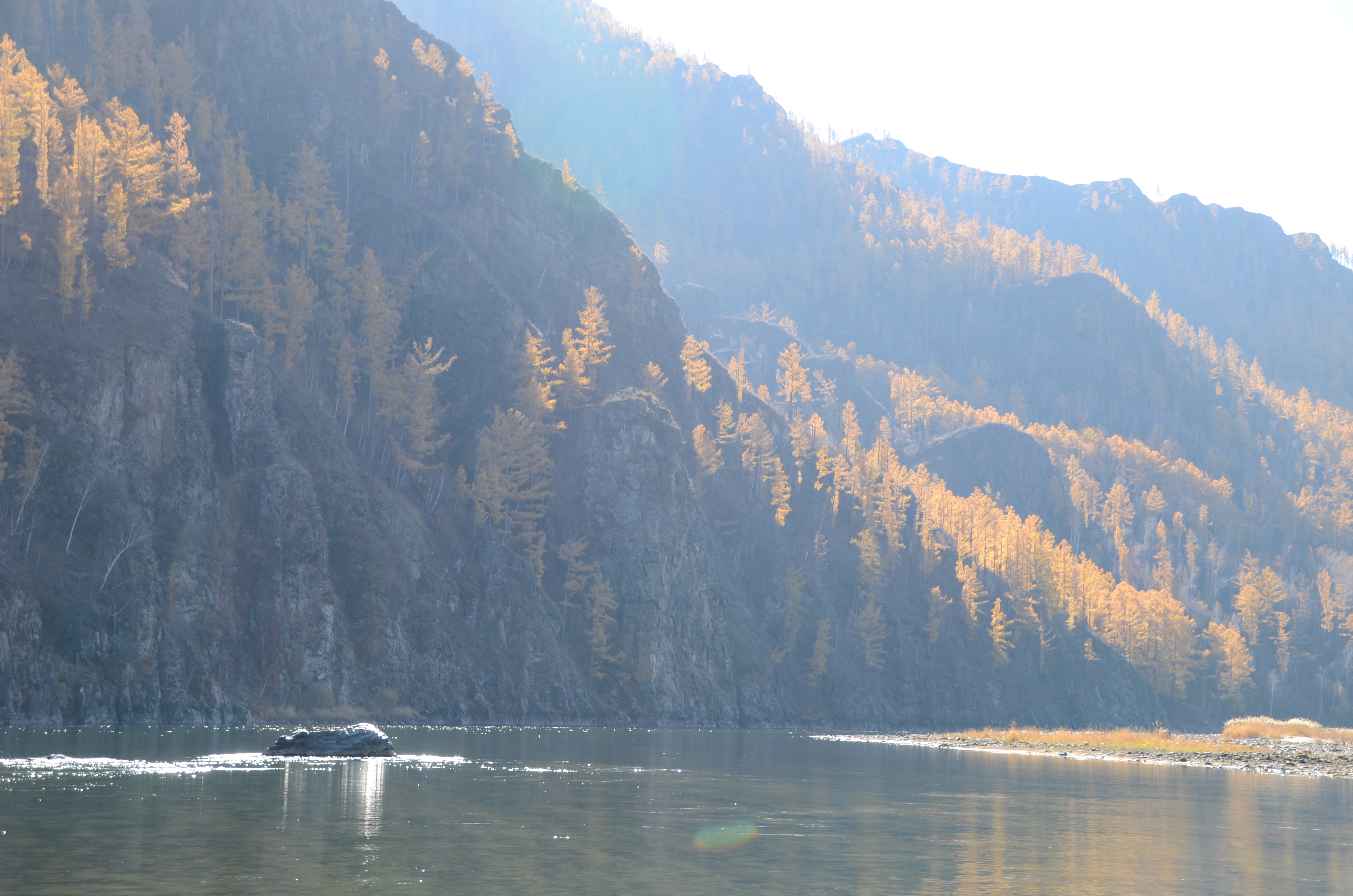
Mongolia's Eg River, a tributary of the Selenge River that is similar to the Snake River in Idaho. This photo was taken on an October 2014 trip to Mongolia by KU professor James Thorp, lead investigator on a Mongolia-U.S. river study enabled by a .2 million National Science Foundation grant.
“This is the largest-scale study that’s ever been done,” he said.
“Large-scale research has been undertaken by a minority of scientists working on lakes, oceans, terrestrial habitats and streams, but all of us together represent a minority of the scientists in our fields.”
The grant is for five years, and Thorp said he expects participating researchers — who will include KU graduate students — to publish throughout. He said he hoped to have the majority of papers published within a year after the initial grant period, or six years.
KU’s Dan Reuman, associate professor of ecology and evolutionary biology, is a co-principal investigator on the project. Others come from Kansas State, Ball State, Drexel, Rutgers, South Dakota School of Mines and Technology, University of Nevada Reno, Wayne State College and National University of Mongolia.
U.S. rivers to be studied include the Platte, Niobrara, Humboldt, Bear and Snake, according to a news release on the project from KU. In Mongolia researchers will look at rivers within similar “ecoregions,” such as grasslands or mountain steppes.
Fin clips and food webs
Field research will focus on three areas, Thorp said.
One is the overall “metabolism” of rivers, which will involve testing water for oxygen and using acoustic Doppler to measure flow and discharge.
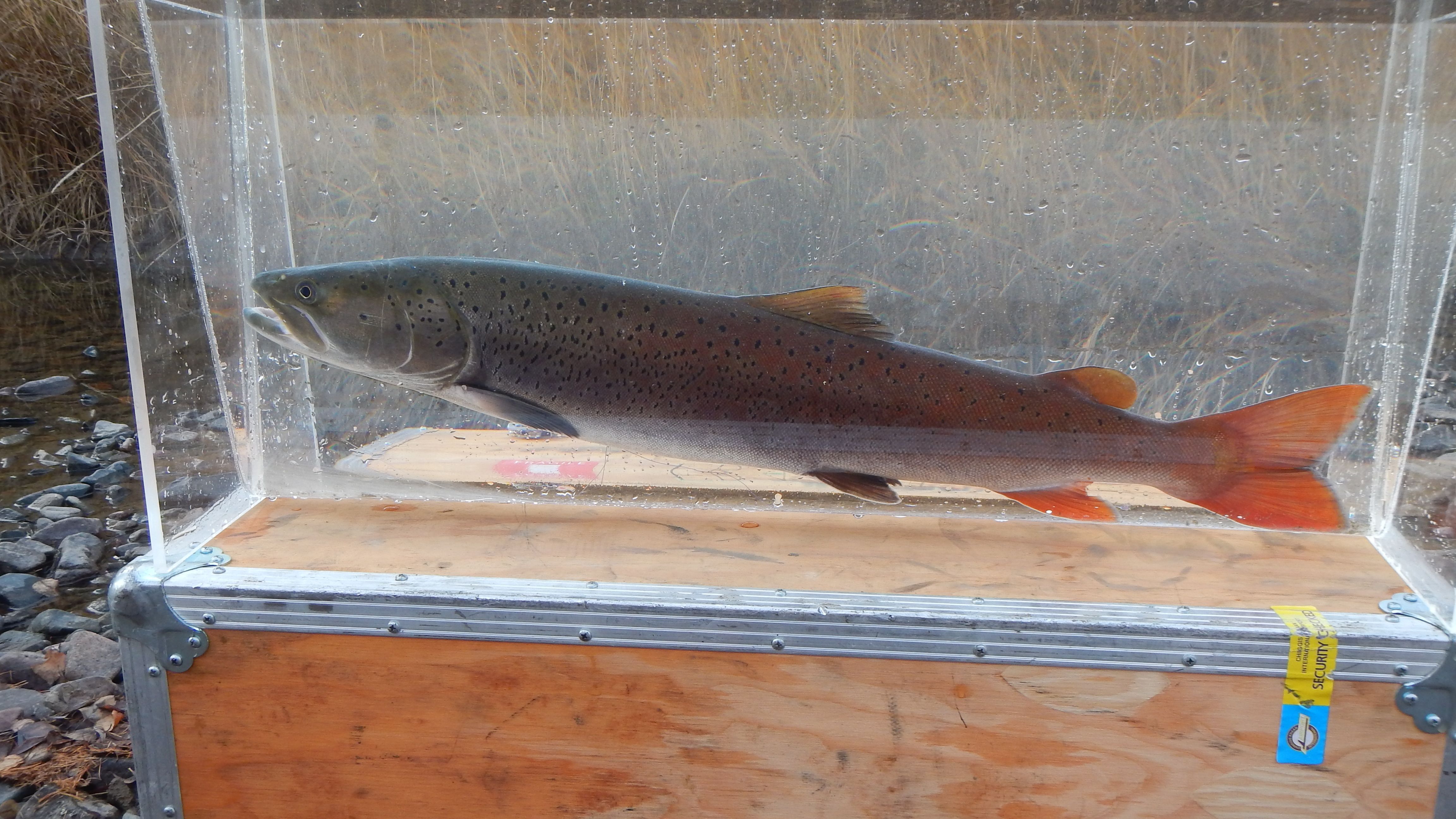
A Hucho taimen, a giant trout listed on the World Conservation Red List of endangered fish, is one type of native Mongolian fish researchers expect to take specimens from during an upcoming river study funded by a .2 million National Science Foundation grant. The fish is pictured during a previous trip to Mongolia by KU professor James Thorp, the lead investigator on the new study.
Another — Thorp’s area of expertise — is food webs. This involves deciphering what different species eat and how complex their webs are. Testing tissue specimens — the plan is to harvest fin clips from fish, as opposed to live animals — using a new technique called “amino acid stable isotope analysis” can reveal what organisms have ingested, Thorp said.
The third area is biodiversity traits, such as organisms’ lifestyles, travel patterns and reproductive behaviors.
“Weaving all the information together will require the intellectual abilities of most of the scientists and graduate students involved in the project,” Thorp said. “Different people will have different focal areas. Some of us who enjoy looking at large-scale concepts will have primary roles in bringing much of the ideas together and building a coherent picture of the whole.”
https://www.youtube.com/watch?v=r_ey9PZ0KSY
City Government

Opinion: Local government made a small mistake. Taxpayers shouldn’t be on the hook to fix it

As club cancels ‘Beetlejuice’ screening at Oak Hill, city says there are no specific rules about events at cemeteries
Opinion: An $80 million Hail Mary that combines Costco and Lawrence’s love of trails
Lawrence Police Department receives KDOT’s top traffic safety award for second straight year
Lawrence City Commission approves extra layers of oversight for data centers, asks for patience on further regulations