

Double Take: Students have the power to influence those in charge
Wes: This week to conclude our series, Kyra and I will turn our attention from what schools should be doing for kids to what kids should be doing for schools. In a word: agitate.
While we’ve been kibitzing on how classrooms could work better for kids, the governor and Legislature have been thinking up ways for schools to work cheaper because the state no longer has money with which to fund them. It did not see fit to charge me any income tax last year.
Now it appears our frugal friends in Topeka will graciously pass the buck (literally) to local governments so I can take the money I didn’t pay the state last year and put it into my property taxes for this year. Glad I hung on to it. I think we all saw this one coming.
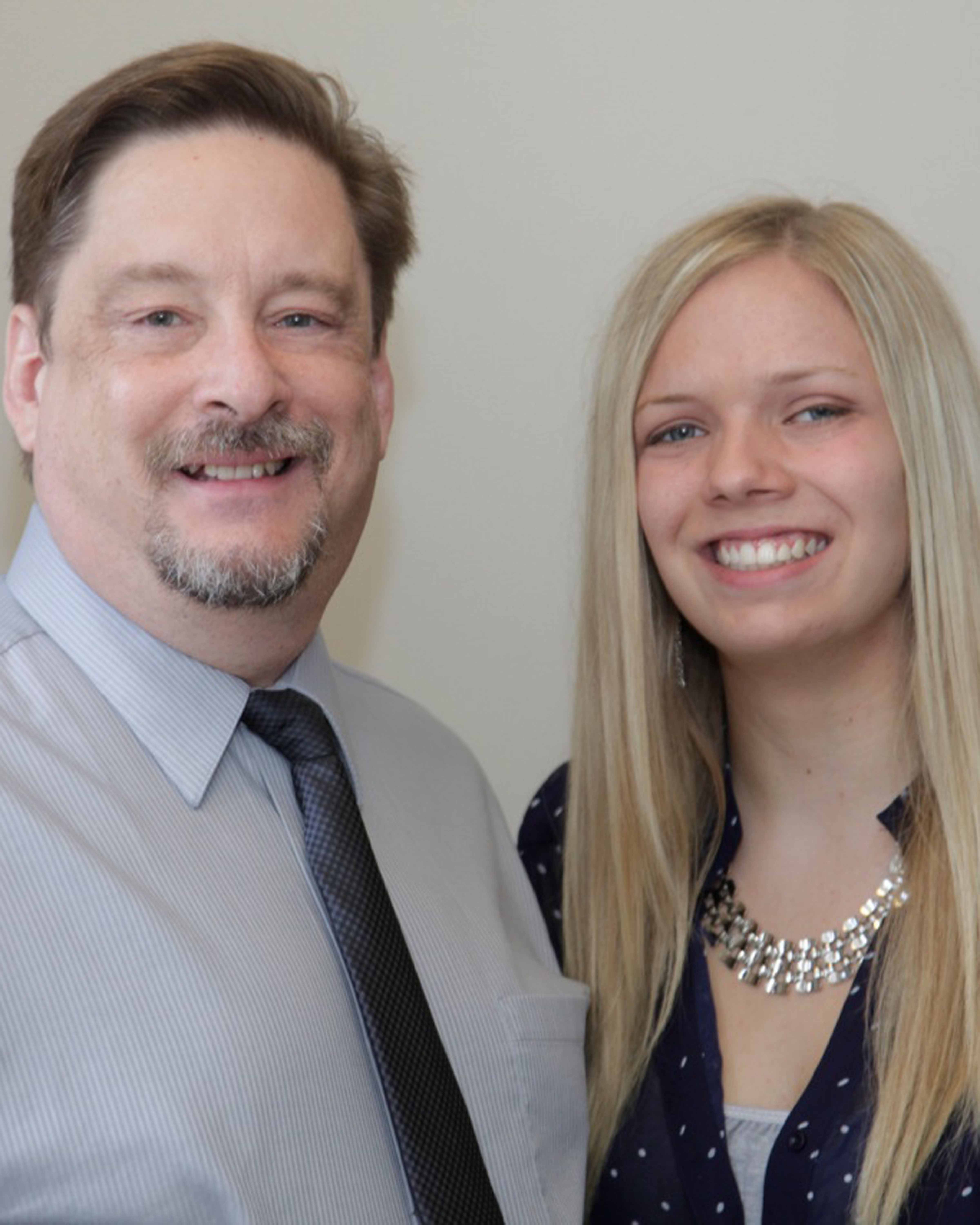
Dr. Wes Crenshaw and Kyra Haas
That brings us to agitation. There’s a long history of young people making their voices heard and influence felt. That “greatest generation” we hear so much about? They were 19 years old at the time. Most social movements begin with students. Resistance to the Vietnam war, the feminist, civil rights and environmental movements, and opposition to McCarthy were greatly supported by American youth. The trend toward embracing GBLTQ people was led by the young. Abroad, there are few things more frightening to dictatorships than exuberant student uprisings.
We suggested in November that teens become really interested in voting. But participation in government is more than a trip to the polls in November. Kansas teens and young adults should ask a lot of questions right now as their schools and colleges become increasingly underfunded, their teachers underpaid, their activities curtailed and the funding burden shifted to local governments that aren’t as prosperous as say, Johnson County, where many of the key conservative legislators make their homes and businesses and send their kids to some of the best public schools in the Midwest. Those public servants need to explain how things got this way and no one is in a better position to ask than are teens. As Kyra points out, young people have a lot more power than they think they do when they bring their voices to bear upon something with which they disagree.
Back in the hey day of agitation, a fairly young (27) Joni Mitchell warned:
Don’t it always seem to go
That you don’t know what you’ve got
Till it’s gone
They paved paradise
And put up a parking lot
Now might be the time to consider the vital resource we have in our schools and where we’d be without them. Teens have the most to lose if that paradise is lost.
Kyra: A day before second semester began, my school newspaper published a story on three new single-gender freshmen English classes. Twitter and Facebook went wild with parents and students retweeting and sharing the article to voice their support or disapproval.
Citing Title IX, United States v. Virginia and guidelines issued by the Department of Education’s Office of Civil Rights, the American Civil Liberties Union wrote a letter to the superintendent requesting the classes be coeducational. In their letter, they mentioned our article. That same day, the classes were gender integrated.
Teens do have the power to make, or at least advocate for, changes as have previous generations. However, we’ve got to do so in a way that actually reaches the people we’re trying to inform. Social media may be overrated in terms of meaningful impact. Anyone can tweet about something, but that’s probably not going to make much happen.
In a recent Saturday Night Live sketch, one cast member lampooned modern day protest this way: “It’s really easy now. You just take your phone and punch this Twitter button, then type in #IAmFerguson or #WeAreAllBlack or #Blessed, and then you’re done.”
Some people in positions of power don’t know how to use Twitter. Others simply delete negative posts about themselves off their Facebook walls (cough, cough Gov. Brownback).
It is essential to advocate for change where those in charge can actually find your message. Cast your ballot. Protest in public. Get someone with legal authority or influence behind your cause. Then, and only then, go on Twitter and get your hashtag trending.
Wes Crenshaw, Ph.D., ABPP, is author of “I Always Want to Be Where I’m Not: Successful Living with ADD & ADHD.” Learn about his writing and practice at dr-wes.com. Kyra Haas is a Free State High School senior who blogs at justfreakinghaasome.wordpress.com. Send your confidential 200-word question to ask@dr-wes.com. Double Take opinions and advice are not a substitute for psychological services.
State Government

GOP’s highest profile figures are on rescue mission in once-reliable Kansas

In debate, Marshall says the Ukraine war, not the Iran war, has caused high diesel prices
Candidates lean on their prominent supporters in District 2 race
TOPEKA — Democrat Don Coover and Republican Derek Schmidt stood with partisan allies as their congressional race ...
Funding for new Chiefs stadium moves forward, setting sales tax revenue district
TOPEKA — State officials answered a key question this week underpinning the complex financing of the Kansas City ...
Voters Guide: A look at the candidates seeking to become Kansas Insurance Commissioner
The Kansas Department of Insurance regulates insurance companies that sell policies in Kansas. Voters will decide ...
Voters Guide: A look at the candidates seeking the job of Kansas State Treasurer
In the Nov. 3 election, Republican Kansas Treasurer Steven Johnson faces two challengers for his job as the chief ...