BP delays attempt to stop leak by shooting mud

A Tricolored Heron catches a fish after plucking it from clean waters Thursday near Venice, La. Coastal birds like the heron are at risk as oil from last month’s Deepwater Horizon oil rig explosion in the Gulf of Mexico has started drifting ashore along the Louisiana coast.
Robert, La. ? It will be at least Tuesday before engineers can shoot mud into a blown-out well at the bottom of the Gulf of Mexico, BP said Friday in yet another delay in the monthlong effort to stop the oil that is now washing into wetlands and onto at least one public beach.
A so-called “top kill” has been tried on land but never 5,000 feet underwater, so scientists and engineers have spent the past week preparing and taking measurements to make sure it will stop the oil that has been spewing into the sea for a month. They originally hoped to try it as early as this weekend.
BP spokesman Tom Mueller said there was no snag in the preparations, but that the company must get equipment in place and finish tests before the procedure can begin. BP already has three deepwater rigs and other equipment near the blown-out well.
“It’s taking time to get everything set up,” he said. “They’re taking their time. It’s never been done before. We’ve got to make sure everything is right.”
Crews will shoot heavy mud into a crippled piece of equipment atop the well, which started spewing after the drilling rig Deepwater Horizon exploded April 20 off the coast of Louisiana, killing 11 workers. Then engineers will direct cement at the well to permanently stop the oil.
Chief Operating Officer Doug Suttles said Friday that a mile-long tube inserted into the leaking pipe is sucking about 92,400 gallons of oil a day to the surface, a figure much lower than the 210,000 gallons a day the company said the tube was sucking up Thursday.
National
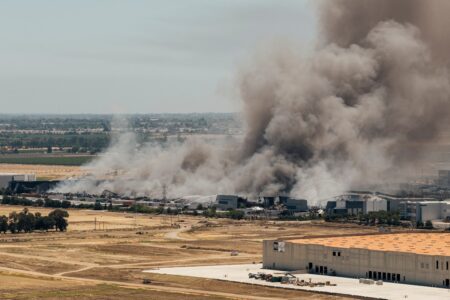
Unhealthy air quality in California city as huge warehouse fire burns for 3rd day
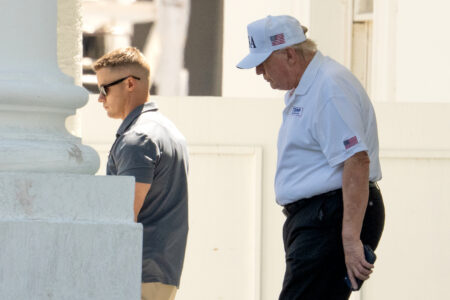
Judge orders Trump administration to restore National Park changes at sites that ‘disparaged’ US
Teens’ reading and math scores have stagnated, US test results show
WASHINGTON (AP) — Younger students have regained ground academically after the pandemic's disruptions while older ...
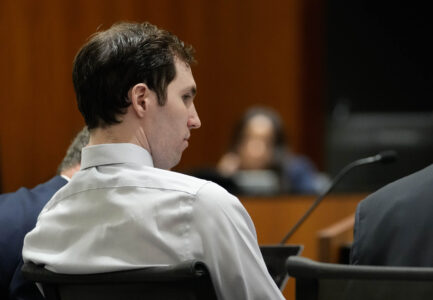
Lawyers for man accused of killing Charlie Kirk try to block death penalty

Trump’s name poised to come off Kennedy Center