After 100 days of spill, Gulf life will never be the same
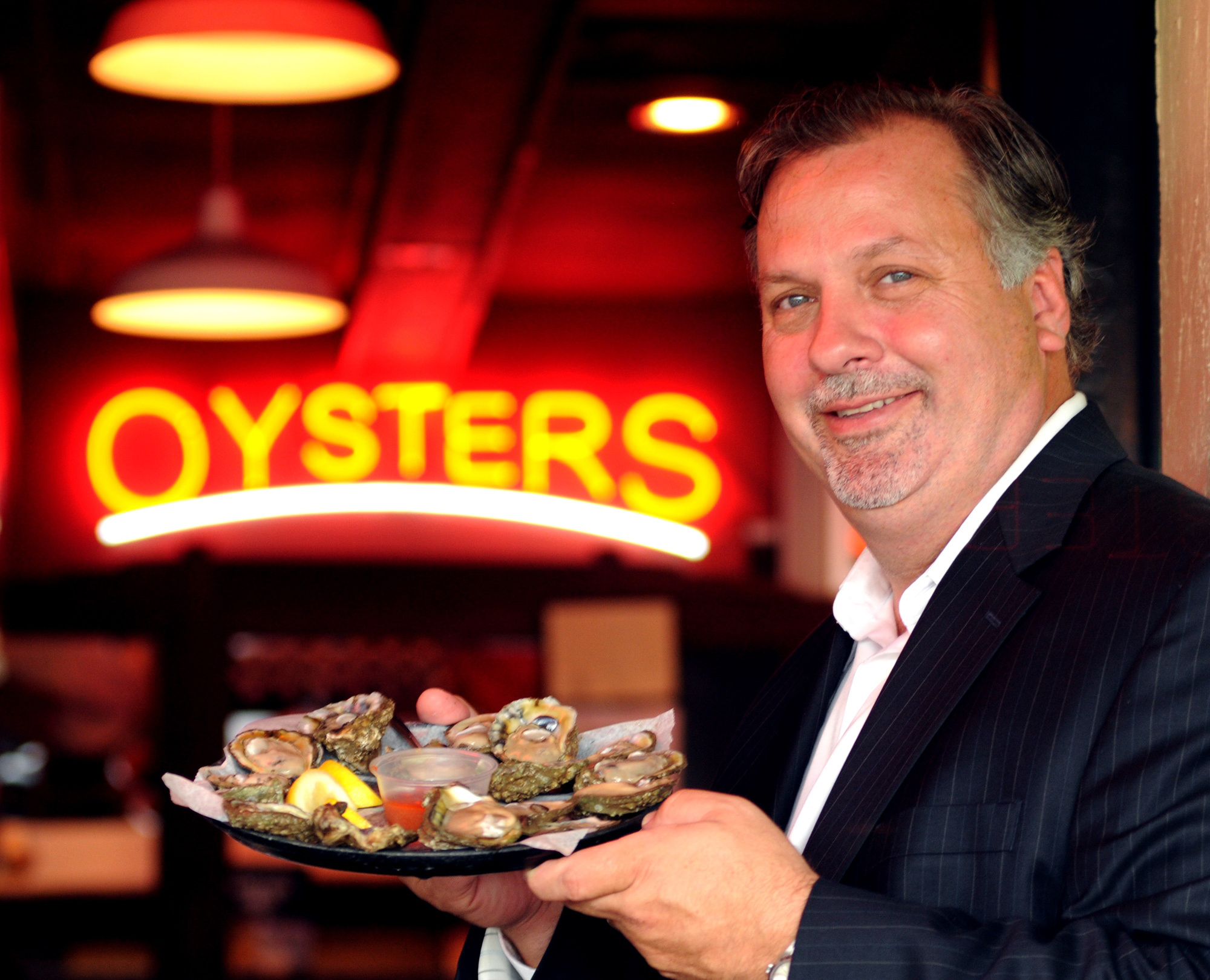
Lucien Gunter, Chief Operating Officer of Acme Oyster House, is seen Tuesday at his Metairie, La., restaurant. Eateries along the Gulf coast have been hard-hit by the Deepwater Horizon oil spill.
Grand Isle, La. ? A hundred days ago, shop owner Cherie Pete was getting ready for a busy summer serving ice cream and po-boys to hungry fishermen. Local official Billy Nungesser was planning his wedding. Environmental activist Enid Sisskin was preparing a speech about the dangers of offshore drilling.
Then the oil rig Deepwater Horizon exploded off the coast of Louisiana, and in an instant, life along the Gulf Coast changed for good.
Pete spends her days worrying that the fishing industry may never recover. Nungesser has put his wedding on hold while he sits in meetings and argues with federal officials. And Sisskin continues to talk about the dangers of drilling — only now, people are listening.
The 100 days since the April 20 explosion have been a gut-wrenching time for folks who work, play and live along the Gulf Coast. The Gulf is a sanctuary for some, an employer for others, and now, a tragedy.
These are their stories.
The Oil Worker
A hundred days ago, Joey Rojas was in a training session for his job as an oil pipeline production operator when he heard about the rig explosion. He figured it would be cleaned up in a few days, but soon he was worrying about the future of his entire industry.
Two weeks after high school graduation, Rojas, 24, bucked a long family tradition of commercial fishing to take a job in south Louisiana’s oil country. He hasn’t looked back — until now.
He worries about a push by federal officials to impose a deepwater drilling moratorium and new regulations.
“I’m starting to wonder what my future will hold. Will I have to look at another job? Will I be paying $5 or $6 at the pump?” he asked. “If a plane crashes, you don’t stop flying.”
Every so often, he thinks about another line of work. But there’s little chance he’ll find one that would pay as much while allowing him to live near his family in the fishing village of Port Sulphur.
“I think about looking for another job. And then I think about where I can make the money that I make now, unless I’m a lawyer or a doctor,” he said. “You just can’t go anywhere and make $80,000 a year.”
He’s confident the oil industry will survive, but he’s afraid there won’t be as many jobs. His 2-year-old son, Joey Jr., might not be able to follow in his footsteps.
“The jobs will be here, and the oil industry will outlast me,” he said. “But my son is going to have to go to college and be something else.”
The Sandwich Maker
A hundred days ago, Cherie Pete and her husband, Alfred, were expecting another steady stream of customers at the little store they used her life savings to build on the main road to Venice, La.
Everyone in town calls the 45-year-old mother of three “Maw” anyway, so she decided to name the place Maw’s Sandwich and Snack Shop.
The store opened last year, attracting a devoted group of locals who came for po-boys and ice cream, plus weekenders who showed up from New Orleans in droves to rent campsites and charter fishing trips.
“And all of a sudden, we don’t have them coming in,” she said.
She’s still doing decent business, still working 14 hour days, but it’s not the same. Now most of her customers are contractors and cleanup workers.
“We’ve met people from all over the country, but it’s not happy meetings. It’s people coming in for work,” she said. “It’s not a typical exciting day at work for me any more, it’s just another day at work.”
Pete knows business won’t last when the cleanup ends.
“I’m just afraid the bottom is going to fall out,” she says. “I’m not sure when. You don’t know if it’s today, or tomorrow or five years from now.”
The Activist
A hundred days ago, Florida environmental activist Enid Sisskin was scanning through oil spill data from the Minerals Management Service, preparing a speech on the dangers of offshore drilling.
Then the rig exploded, and she ended up rewriting the entire thing. She even told a halfhearted joke, about how future discussions of offshore drilling would have to begin with “a noun, a verb and the words Deepwater Horizon.”
But Sisskin, who teaches in the public health program at University of West Florida, hasn’t laughed much these past 100 days. She lives in the coastal community of Gulf Breeze and has long been a vocal opponent of Gulf drilling rigs.
“There’s a constant knot in the pit of my stomach,” she said. “I’m afraid for the future. Are we going to come back? Are our waters going to be clean enough? Are we going to have the sea birds? Can we comfortably say to tourists, come on down and get in the water and eat the fish?”
She’s been busy this summer, teaching classes and giving talks to groups on the effects of oil and dispersants on public health.
There is one thing she doesn’t say in her speeches: I told you so.
“This is something I never ever wanted to be able to say,” she said. “It’s vindication, but what a horrible way to be vindicated.”
The Local Official
A hundred days ago, Plaquemines Parish President Billy Nungesser was busy with blueprints of fire stations, schools and community centers damaged during Hurricane Katrina in 2005 and still in need of rebuilding. He was planning his wedding to his longtime fiance, which they postponed after the storm.
“I had a life,” Nungesser says.
Now, his life looks like this: Endless meetings with the Coast Guard. Endless arguments with federal officials and BP workers. And countless media appearances — he’s been on Anderson Cooper so often alongside fellow Cajun James Carville that the trio are like the holy trinity of nighttime cable TV.
The new fire stations, schools and community centers have been put on hold. He’s seen his mother twice in the past few months — and she lives right in the coastal Louisiana parish. And then there’s the matter of the wedding. That’s not happening anytime soon, not until life calms down and the fight is over.
For now, he’s got a war to wage. That’s how he characterizes his region’s fight against BP, the federal government, the oil.
“A hundred days later, I can’t look you in the eye and tell you who’s in charge,” he said. “I would not want to go to war with this team. Looking back, it’s very sad that a lot of marshes and wildlife could have been saved if the federal government and BP had just listened to local people.”
National
Unhealthy air quality in California city as huge warehouse fire burns for 3rd day
Judge orders Trump administration to restore National Park changes at sites that ‘disparaged’ US
Teens’ reading and math scores have stagnated, US test results show
WASHINGTON (AP) — Younger students have regained ground academically after the pandemic's disruptions while older ...
Lawyers for man accused of killing Charlie Kirk try to block death penalty

Trump’s name poised to come off Kennedy Center