Delays may doom U.S.-Russia nuclear treaty
Washington ? The Obama administration’s proposed nuclear arms reduction treaty with Russia, which for months seemed headed for swift approval in the Senate, is suddenly facing delays that some supporters fear could threaten its survival.
With skeptical Senate Republicans demanding more information and more time for debate, it appears the New Start treaty may not be approved until after the midterm elections in November. Some supporters fear that it may even slide into next year and a new Congress — which may include more Senate Republicans hostile to it.
The treaty, which would reduce the limit on the two nations’ long-range nuclear warheads by about 30 percent, may be President Barack Obama’s most visible foreign policy success.
A failure would be a major blow to Obama’s efforts to improve relations with Russia, and would also dim the outlook for a series of other arms treaties.
The White House and its Senate allies, including Sen. John F. Kerry, D-Mass., chairman of the Senate Foreign Relations Committee, have worked hard to move the pact through the Senate. They lined up supportive testimony from an all-star cast of former statesmen of both parties, including former Secretaries of State Henry Kissinger and George Shultz, former National Security Adviser Brent Scowcroft and former Secretary of Defense William Perry.
But objections have bubbled up from some Republican senators such as Sen. Jon Kyl, R-Ariz., and Sen. John McCain, R-Ariz., who have insisted that they would not support the proposed pact until their concerns were addressed.
Though Obama and Russian President Dmitry Medvedev signed the agreement in April, only one Republican senator, Sen. Richard Lugar of Indiana, has so far publicly committed to vote for the treaty.
Administration officials and Republicans and Democrats in the Senate have been involved in quiet negotiations to work out a bipartisan agreement.
But though White House officials remain optimistic about those talks, some Senate aides say the administration and its Senate allies are likely to fail in their efforts to get the treaty out of the Senate before it adjourns in two weeks for August recess.
Critics have three general concerns. They fear the treaty would limit the U.S. ability to build a long-range missile defense system — a charge that proponents say is baseless.
They also are concerned that the administration may not be spending enough money to properly maintain the nation’s sprawling nuclear weapons arsenal, despite the administration’s nonbinding pledge to spend $100 billion in the next 10 years.
And they worry that the treaty’s provisions for verifying what is in Russia’s nuclear arsenal may not give the United States all the information it needs.
Kyl, who has taken the lead for the Republicans on the issue, insists that while he’s skeptical that shrinking the arsenal will make Americans safer, he might be able to support the deal.
“I might be able to support a new treaty if it addresses various concerns, including verification and the modernization of our nuclear stockpile,” Kyl says on his Senate website.
But some nervous supporters worry that the Republicans are simply trying to delay approval until next year, when the Republicans may hold a much stronger hand in the Senate.
National
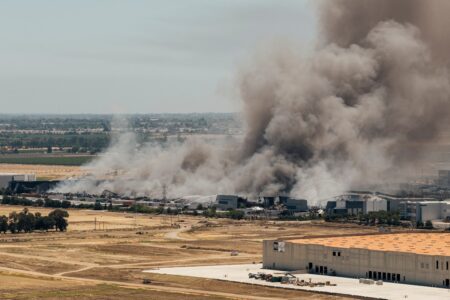
Unhealthy air quality in California city as huge warehouse fire burns for 3rd day
Judge orders Trump administration to restore National Park changes at sites that ‘disparaged’ US
Teens’ reading and math scores have stagnated, US test results show
WASHINGTON (AP) — Younger students have regained ground academically after the pandemic's disruptions while older ...
Lawyers for man accused of killing Charlie Kirk try to block death penalty

Trump’s name poised to come off Kennedy Center