Private colleges ‘act local’ with financial aid offers
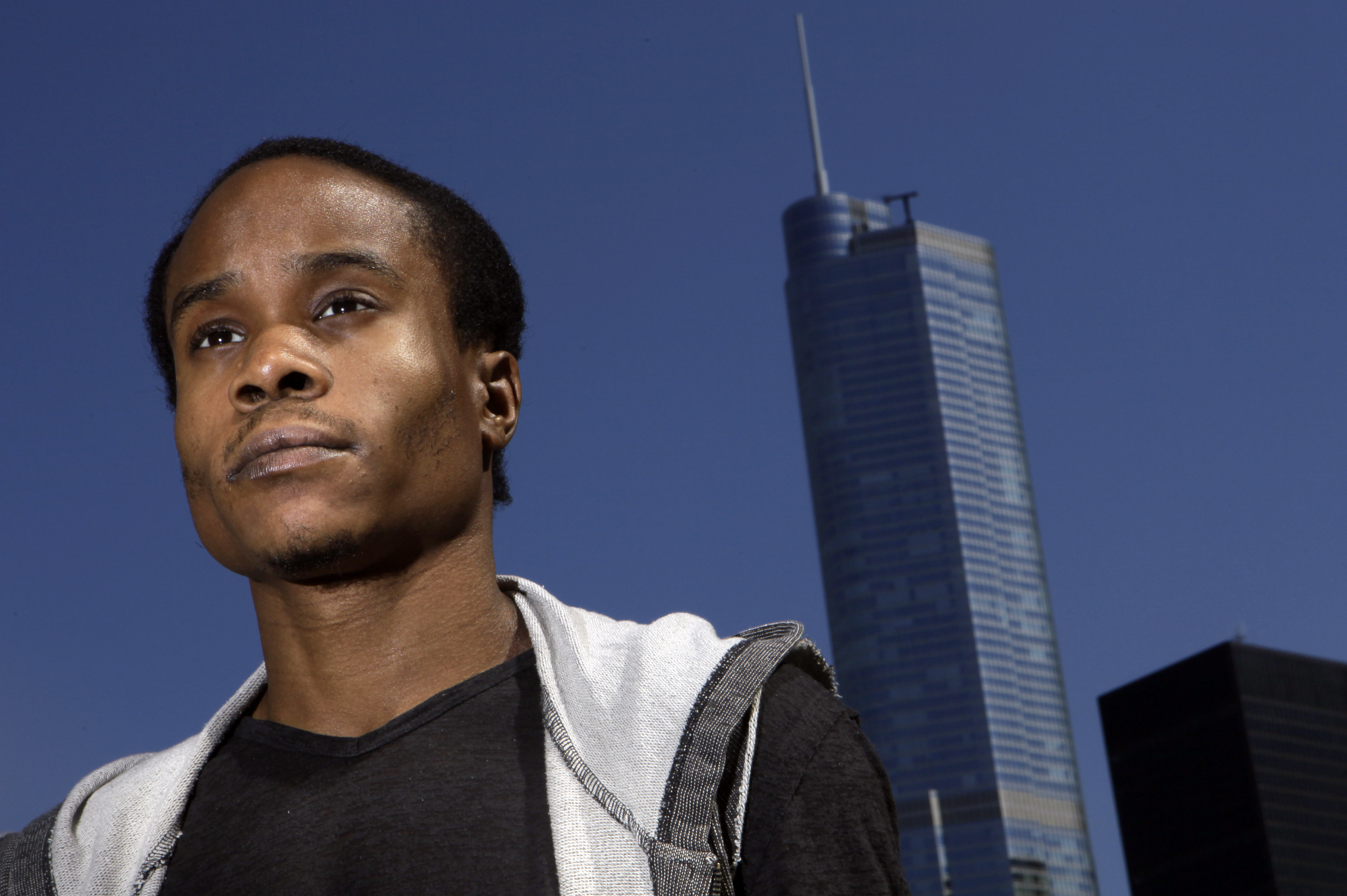
Joshua Williams, 22, a 2010 Northwestern University graduate who attended high school on Chicago’s South Side, sought Northwestern out rather than being courted. Now, the university is joining other private colleges in increasing financial aid offers to students from their own backyards.
Hoping to portray themselves as more affordable and all-around better neighbors, private colleges from Appalachia to Boston are sweetening financial aid packages for students from their own backyards.
The latest and most prestigious example is Northwestern University. By targeting local students in financial need, Northwestern is seeking to boost minority enrollment, strengthen local ties and stay competitive in the college admissions race at a time when many private schools are increasing aid based on student merit instead of financial circumstances.
“You may be thinking globally about your education curriculum,” David Warren, president of the National Association of Independent Colleges and Universities, said of such efforts. “But you’re increasingly acting locally with respect to students.”
Northwestern’s “Good Neighbor, Great University” scholarships will be awarded starting in fall 2011 to about 100 incoming freshmen who graduated from high schools in Evanston, Ill., home to Northwestern’s main campus, and Chicago, site of its medical school. About 2,000 first-year students enroll at Northwestern annually.
Students whose families show financial need — there is no income cut-off — will be eligible for scholarships replacing loans and payments from work-study. The majority of students who qualify will receive enough aid to fully cover the cost of Northwestern’s $40,223 annual tuition and fees, said Michael Mills, associate provost for university enrollment.
The program was recommended by a university task force on diversity and inclusion, which was formed following racial tensions on campus, including a controversy last fall over two students who dressed up in blackface for Halloween.
After its black student enrollment peaked at nearly 10 percent during the Carter administration, Northwestern experienced a slow and steady decline, Mills said.
This year’s incoming freshman class is about 7.2 percent black, up from 4.5 percent three years ago.
Among other private colleges that are going local with new or expanded financial aid, some directly tied to students’ financial need and others not:
• Last fall, Davis & Elkins College in rural West Virginia started offering discounted tuition to freshmen from seven nearby counties to make its cost comparable to that of West Virginia University.
• Boston University in 2008 announced expanded aid to Boston Public School students, replacing loans with grants to eligible students who meet academic targets and do 25 hours of community service per semester.
• In 2008, the College of Holy Cross in Worcester, Mass., began offering free tuition to city residents whose families earn less than $50,000 a year — also roughly what it costs to attend Holy Cross each year.
National

Unhealthy air quality in California city as huge warehouse fire burns for 3rd day

Judge orders Trump administration to restore National Park changes at sites that ‘disparaged’ US
Teens’ reading and math scores have stagnated, US test results show
WASHINGTON (AP) — Younger students have regained ground academically after the pandemic's disruptions while older ...
Lawyers for man accused of killing Charlie Kirk try to block death penalty

Trump’s name poised to come off Kennedy Center