

Rangel using 3-way defense against ethics accusations
Washington ? To rebut a lengthy list of alleged ethical misdeeds, Rep. Charles Rangel is trotting out this three-way defense: I didn’t do it. I did it, but was inattentive. Others lawmakers were allowed to do the same thing without penalty.
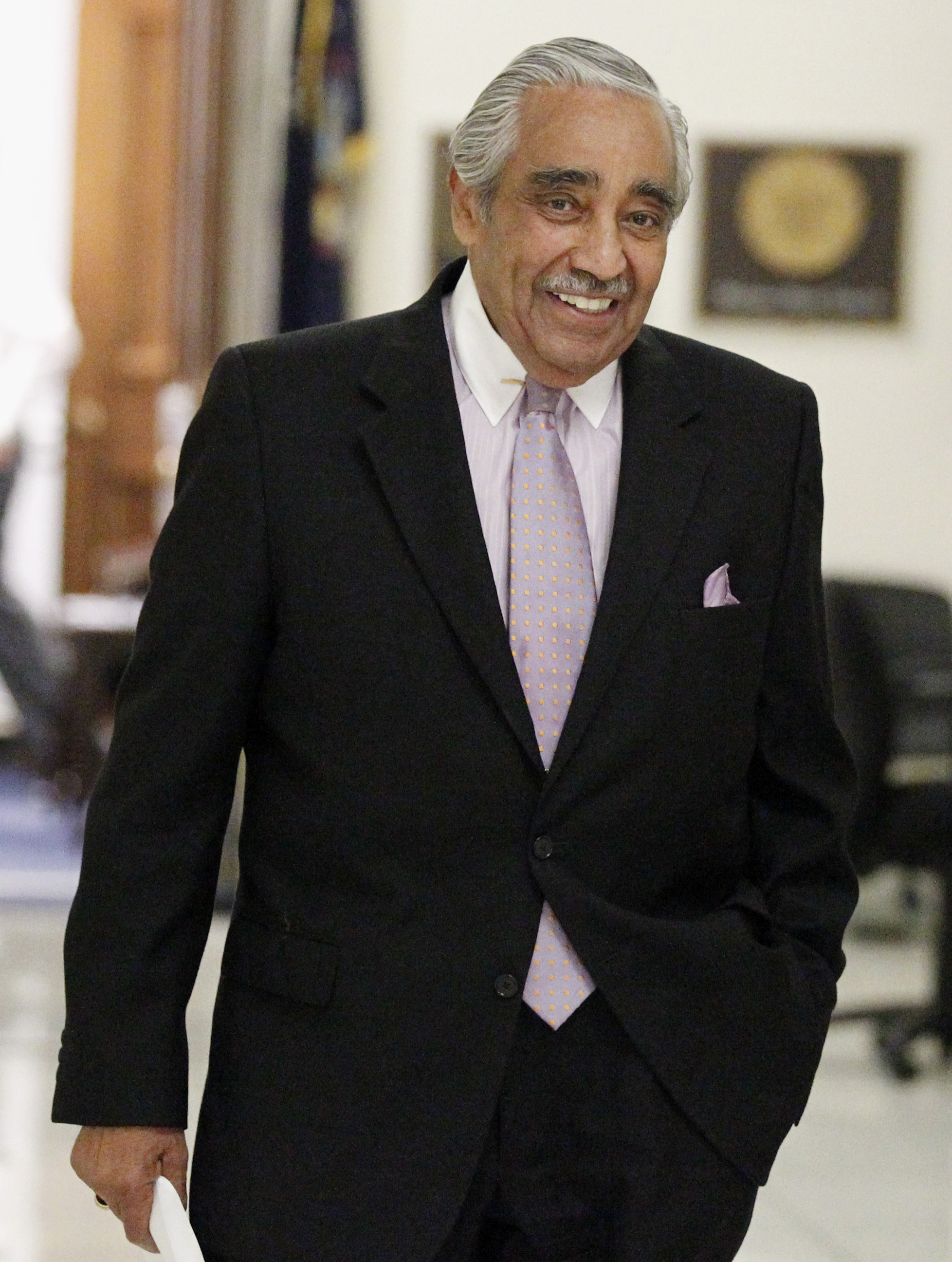
U.S. Rep. Charles Rangel, D-N.Y., walks in the hall as he goes for a vote on Capitol Hill on Thursday in Washington.
It’s an approach that nervous Democrats are watching closely in one of the most politically explosive cases in years.
Should it go to a public trial this fall, smack in the middle of the election season, and should his defense fall short, that won’t help Democratic candidates forced to defend their party’s ethics against Republican campaign attacks.
The GOP already is demanding that specific Democratic candidates give up contributions provided by Rangel’s political organizations, and about a half-dozen Democrats have asked the 20-term lawmaker to resign.
He’s facing 13 counts of wrongdoing, including providing official favors in return for donations, hiding income and assets, and failing to pay taxes.
If Rangel’s predicament wasn’t bad enough for Democrats, there’s an added complication on the ethics front: Rep. Maxine Waters, D-Calif., also may face an ethics trial this fall on allegations of improperly trying to help a bank, where her husband owned stock, that was seeking a federal bailout.
People familiar with the Waters investigation, who were not authorized to be quoted about charges before they are made public, say the allegations could be announced this coming week.
Rangel, 80, is a former chairman of the tax-writing House Ways and Means Committee. Waters, 71, is a prominent member of the House Financial Services Committee. Both have influential roles in matters affecting voters’ pocketbooks — thereby linking the important issues of congressional ethics and the economy.
A good portion of the Rangel case revolves around his soliciting donations — from corporate fat cats and foundations — to the Rangel Center at City College of New York, founded to support academic programs in public service.
“The undisputed evidence in the record … is that Congressman Rangel did not dispense any political favors, that he did not intentionally violate any law, rule or regulation, and that he did not misuse his public office for private gain,” according to a written statement prepared by Rangel’s legal team and submitted to the ethics panel that conducted a two-year investigation of his conduct.
The statement said Rangel didn’t “target for solicitation foundations, corporations or individuals with business before the Ways and Means Committee, nor did he offer or provide preferential treatment or favors to potential contributors.”
It acknowledged that Rangel “did not devote sufficient personal attention to the preparation of his original annual financial disclosures.” Hundreds of thousands of dollars in assets and income were reported years after they should have been. The congressman blamed his former chief of staff for many of the errors.
National

Unhealthy air quality in California city as huge warehouse fire burns for 3rd day
Judge orders Trump administration to restore National Park changes at sites that ‘disparaged’ US
Teens’ reading and math scores have stagnated, US test results show
WASHINGTON (AP) — Younger students have regained ground academically after the pandemic's disruptions while older ...

Lawyers for man accused of killing Charlie Kirk try to block death penalty

Trump’s name poised to come off Kennedy Center
