

Behind the Lens: Top photography workshops will inspire you
There’s nothing like a good workshop to inspire your photography. Not only can workshops teach you new techniques and provide great motivation, but they can help you quickly find out how your work compares with other dedicated photographers.
Workshops typically run from a two-day weekend getaway to a thorough, weeklong course where you eat, drink and sleep photography. I know from experience that a workshop environment is one of creativity, high energy and long days, so if you’re enthusiastic and willing to get involved, they can be very rewarding.
What can make a workshop experience stand out is a knowledgeable instructor with teaching skills, not just a talented photographer. I would encourage you to research workshop instructors before choosing one. Better yet, find a workshop taught by a teacher whose work you know and admire.
I’ve studied with two talented and well-traveled photojournalists. One was a better instructor who instilled in me some lessons I still use in my photography. The other teacher was a better storyteller, but I don’t recall gaining any new insights.
You can find workshops in all seasons with classes in areas including digital darkroom, fine art, nature and landscape, sports, studio and commercial, wedding documentary and photojournalism. Courses run the gamut from basics like Introductory Digital Photography and Introduction to Portraits to the esoteric Platinum Palladium Printing from Digital Negatives and The Coherent Concept: Conceptualizing and Realizing the Idea. Some workshops may require a portfolio. None are inexpensive. Figure on spending between $750 and $1,000 for weeklong tuition. Lodging and meal packages are in addition to the tuition. Here’s a short list of some of the better-known workshops with online contact information.
• Maine Media Workshops, Rockport, Maine, www.theworkshops.com.
• Santa Fe Photography Workshops: Sante Fe, N.M., www.santafeworkshops.com.
• Anderson Ranch Arts Center, near Aspen, Colo., www.andersonranch.org.
• Photography at the Summit, Jackson Hole, Wyo., www.photographyatthesummit.com.
I’ll make a plug for a Midwest workshop taught by landscape photographer and former Lawrence resident Edward Robison III. He’s now based out of Eureka Springs, Ark., at www.edwardcrobisoniii.com
He offers a couple of seasonal workshops, including an annual spring Prairie Fire Experience workshop in the nearby Flint Hills.
Most workshops require some type of camera with manual controls. Other equipment, including computers, printers and paper, should be provided. Plan on bringing a portfolio of your work. Most workshops begin the week with a group review and critique of your work. It’s a good idea to also bring examples of failures or work that could use a subjective eye. A tape recorder is a good tool to take to a workshop, too.
The camaraderie of a workshop environment makes it an ideal place to gather feedback on your work and to study the approaches and styles of other photographers. Recording such discussions and sessions with the instructor and class can be beneficial to reference after the workshop.
The important thing about workshops is to not get too caught up in the exotic locations. While the new scenery can be distracting and make you believe that you are suddenly a better photographer, keep in mind that the goal of a workshop is to help make you a better photographer no matter the location in which you shoot.
For my next column, which will run Oct 25, I’ll take a look at self-publishing photography books and some of the companies offering the service.
— Chief photographer Mike Yoder can be reached at 832-7141.
Arts and Entertainment
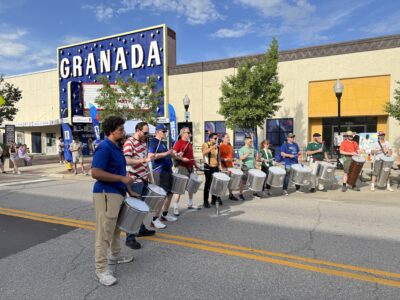
Photos: Lawrence begins World Cup festivities with downtown block party
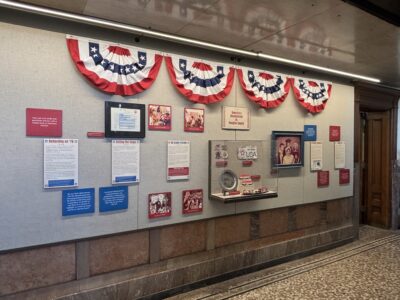
Watkins Museum to open special exhibit detailing how Douglas County celebrated America’s Bicentennial

Go, See, Do: Kaw River Roots Festival, markets and more
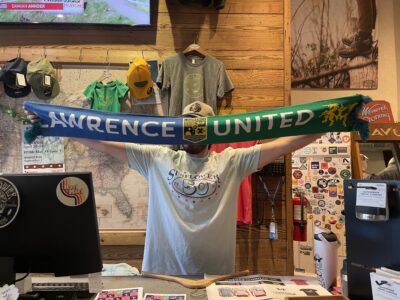
Soccer gear honoring Lawrence history’s all-star team is now on sale as part of city’s public art exhibition

Nominations, call for artists open for Lawrence’s 2026 Phoenix Awards