Local business climate growing colder
Experts offer tips to survive recession
Lawrence and the economy
- Second Chance closes its doors
- Auto repair industry thrives
- Coping with recession
- Real estate market looking up
- Government hit with budget cuts
- More people buying cheaper food basics at grocery stores
- Slow sales hurt artists, but work still on display
- Man moving on after layoff, bankruptcy
- Home-building enters another year on decline
- Army interest
Most Lawrence residents have not lost their jobs or their homes, but the nationwide economic recession will have some effect on all of us, according to a Lawrence minister.
“I see a lot of things right now in the beginning stages,” said the Rev. Verdell Taylor, pastor at St. Luke AME Church, 900 N.Y. “I see it continuing to affect all areas of the community.”
Taylor has counseled people who have been deeply affected by economic problems, including his own church members and others seeking help where he works, at Christian Psychological Services.
The bad economy especially is taking a toll on single parents and older people who have lost their jobs or seen their 401(k) retirement investments decrease dramatically, Taylor said. Younger people are more resilient and can more easily take advantage of options, he said.
“It seems like the people I deal with are hopeful,” Taylor said. “They are not totally discouraged.”
If someone is in dire need of assistance they are helped to connect with appropriate social service agencies if something isn’t available through the church, Taylor said.
Job searchers should consider not just their job specialty but they should also look at ways to broaden their scope, Taylor said.
“If you have a nursing background, consider home care,” he said, offering an example.
Below are some recession survival tips from local job and financial experts.
Sales people in demand
No matter what the economy is like, there is always a need for good sales people, said Shirley Martin-Smith, owner of Martin-Smith Personnel Services, an Adecco franchise. That doesn’t necessarily mean there are a lot of sales jobs available. It depends on the company and how much it is willing to spend in its sales department, Martin-Smith said.
“You’ve got to have proven performers,” she said. “If people are willing to go out there and work for a base (pay rate), commissions and incentives, there are probably good opportunities. It just means you’ve got to work harder to get your share of the business.”
Other jobs in demand are for people in information and technology, health care and engineering, according to Adecco reports. If the Obama administration’s stimulus plan is approved and provides for infrastructure repairs, that should create new jobs, Martin-Smith said.
Investments
If you are interested in the stock market, expect the bear market to be here for a while, said Wayne McDaniel, of McDaniel & McDaniel Financial Services, 2500 W. 31st St. A bear market is generally considered to be a period of falling stock prices and widespread pessimism in the stock market.
“We’re looking at several years until we’ve really climbed out of the mess we’re in,” McDaniel said. “However, that doesn’t mean that opportunities don’t exist now or won’t exist during the next several years.”
People should “invest flexibly,” which means they can get in and out of the market to respond to trends as they develop, McDaniel said.
The stock market is “pretty beat up” now, McDaniel said. He doesn’t see any sector that looks attractive to buyers at this time. The market will continue to move up and down, he said.
If you are thinking about buying government bonds now, they are highly overpriced, McDaniel said.
“I’d say stay away from government bonds,” he said. “Corporate bonds, on the other hand, are fairly attractive right now.”
Pay off credit debt
If credit card debt has you financially strapped, it’s time to get help. Housing and Credit Counseling Inc., a nonprofit agency with offices in Lawrence and Topeka, has counselors available to help you address that problem.
The first thing counselors will do is make a list of all of your monthly bills. That includes, utilities, food, various insurance policies, mortgage or rent payments, gasoline and automobile maintenance costs, groceries, and many other expenses.
“Once we figure out that monthly expense, then we can figure out which way to go with it,” counselor Walter Glaude said.
The next list prepared is a person’s assets, including a house, car, boat, etc.
“We see if they can part with something,” Glaude said. “People in America get real attached to their toys.”
Next to consider is the total amount of credit card debt. Credit Counseling can usually arrange with the credit card companies to get a reduced monthly payment at a reduced interest rate, Glaude said. One monthly payment is made to Credit Counseling’s bank and the payment is then divided among creditors.
People seeking help to get out of credit card debt should look for a nonprofit entity and be careful about signing on with companies advertising on the Internet or on TV, Glaude said.
“Some of them don’t do what they say they will do and you can end up hurting your credit worse,” he said.
A list of approved debt management agencies can be found on the Web site of the Office of the State Bank Commissioner of Kansas, osbckansas.org.
City Government
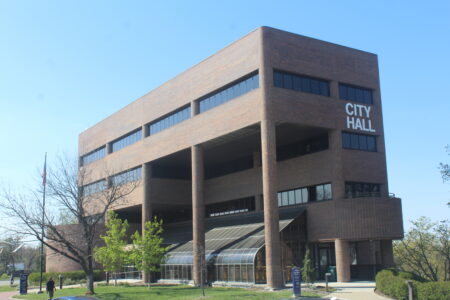
Evacuation drill planned Tuesday at Lawrence City Hall

Bond issue for water and sewer projects, bike plan, Wakarusa Drive update on Lawrence City Commission’s agenda

Opinion: Environmentally conscious Lawrence is not focused on the biggest problem with electric vehicles

Locust Street apartments, Holcom housing development among this year’s applicants for $700K in Affordable Housing Trust Fund money
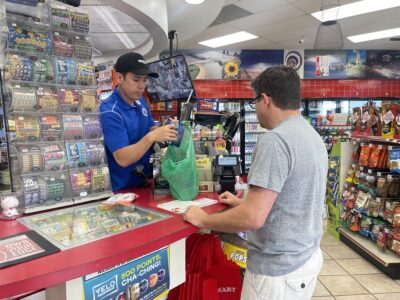
Business owners hurting from Wakarusa Drive closure say they’re getting no answers, no signs, no accountability