Federal crackdown puts tribal artifact dealers on edge
Santa Fe, N.M. ? An intensifying federal investigation into the sale of Native American artifacts has cloaked the market in a fog of fear and uncertainty.
Wealthy collectors are more cautious about buying artifacts for fear of criminal liability, and reputable dealers say they’re working double-time to prove their legitimacy after being wrongly lumped together with looters and gravediggers.
Amid grumbling about government meddling, the tension was evident last week at one of the nation’s largest and longest-running Indian artifact shows.
“I think a lot of people are just scared because there’s a lot of misconception about whether this stuff is legal or illegal,” said Jeff Hammond, a private collector and dealer who was displaying prehistoric pots at the 31st annual Whitehawk Antique Show.
Hundreds crowded into the exhibit space to get a look at the artifacts, from a rare Sikyatki polychrome jar to bead-adorned moccasins, silver jewelry, painted animal hides and woven baskets.
While there was talk about the beauty and rarity of some items, the buzz was all about the federal crackdown on the trafficking of relics in the Four Corners region, an area rich in prehistoric archaeological sites and artifacts.
A two-year undercover investigation became public in June. More than 20 people were arrested and indicted.
Mac Grimmer, a Santa Fe dealer who has helped assemble many art collections, said there have been crackdowns in the past and the market eventually settles down. But this could be different, he said. While prehistoric artifacts are only a small percentage of the Indian art market, Grimmer said the perception that buying Indian artifacts in general could lead to jail time or a visit from federal agents has had a chilling effect on even the bigger contemporary Indian art market.
National
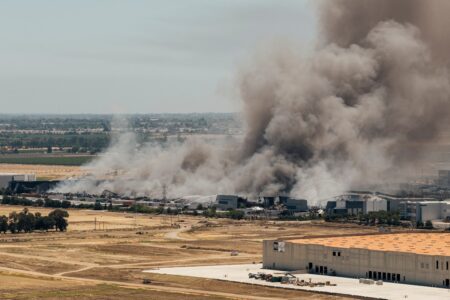
Unhealthy air quality in California city as huge warehouse fire burns for 3rd day
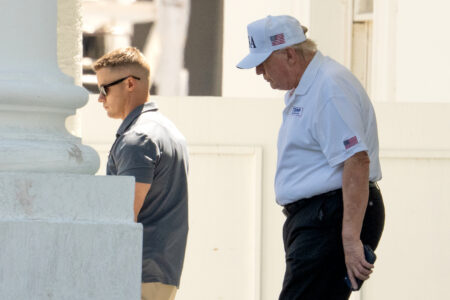
Judge orders Trump administration to restore National Park changes at sites that ‘disparaged’ US
Teens’ reading and math scores have stagnated, US test results show
WASHINGTON (AP) — Younger students have regained ground academically after the pandemic's disruptions while older ...

Lawyers for man accused of killing Charlie Kirk try to block death penalty
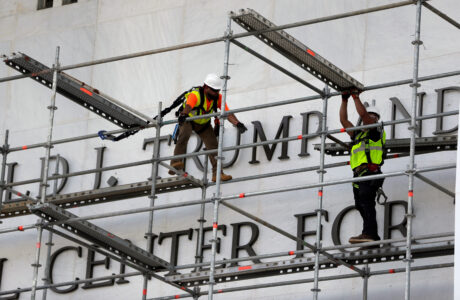
Trump’s name poised to come off Kennedy Center