Analysts expect inflation to stay low
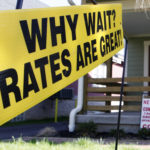
New price signs are posted in front of a new condo Saturday in Columbus, Ohio. The Federal Reserve said Wednesday there are some faint signs the steep plunge in economic activity that began last fall is starting to level off.
Washington ? So much for fears that flooding the economy with money to fight the financial crisis would ignite inflation. The recession is keeping a tight lid on both prices and wages.
Consumer prices have fallen over the past year at the fastest clip in more than a half-century, including an unexpected drop in March. Economists see little sign that inflation will be a problem anytime soon.
Adding to evidence of the economy’s weakness, the Federal Reserve said Wednesday that production at the nation’s factories, mines and utilities fell in March for the fifth month in a row, and faster than analysts predicted.
Signs of hope
There was some good news: A series of Fed snapshots from around the country found a few faint signs that the steep plunge in economic activity that began last fall is beginning to level off.
For example, the report said that while home prices and construction are still declining in most of the country, the number of people shopping for homes has begun to rise, leading to a scattered pickup in some places.
Wall Street rallied in the final hour of trading Wednesday. The Dow Jones industrial average finished at 8,029.
Consumer prices dropped 0.1 percent for March, the Labor Department said. Over the past 12 months, consumer prices have dropped 0.4 percent — the first 12-month decline since 1955.
Economists seem to think the United States has entered a period of sustained low inflation. The trillions of government dollars to stop the financial crisis will probably prevent broad price declines, economists say.
Some economists said prices may keep declining slightly this year — though not enough to trigger a dangerous bout of deflation.
“The risk of deflation has been put at bay,” said Sal Guatieri, an economist at BMO Capital Markets. “We don’t expect a widespread, sustained drop in prices over the next couple of years.”
Continuing concerns
Economists worry about any widespread and prolonged decline in prices. Deflation drags down wages, clobbers home prices and leads people and businesses to hold off on buying things so they can wait for lower prices.
Analysts say further low inflation will keep rates low on mortgages and other loans. Low inflation also could allow businesses to keep pay raises to a minimum, even after the economy begins to recover.
John Ryding, chief economist at RDQ Economics, said in a note to clients that the overall drop in prices for the past year is “not evidence of general deflation pressures but a product of the bursting of the speculative bubble in energy prices.” Crude oil sold for $147 a barrel last summer and trades for about $50 now.
In March, the price of gas, home heating oil and natural gas all fell slightly in March. Food costs dropped by a minuscule 0.1 percent. The declines offset the biggest rise in tobacco prices in more than a decade.
Travel got cheaper — air fares and lodging both fell by a little more than 2 percent — but medical care, education and clothing all became slightly more expensive.
The core inflation figure, which doesn’t account for energy and food prices, rose 0.2 percent, the same as over the past three months. Core inflation is up 1.8 percent for the past year.
The recession has matched the longest in the post-World War II period. Wages and consumer spending are down, and companies have kept prices down, too.
National

Lawyers for man accused of killing Charlie Kirk try to block death penalty

Trump’s name poised to come off Kennedy Center

Suspect in Texas shooting had fired at police days earlier, officials say

Man pleads guilty to killing a top Minnesota Democrat and her husband

New tornadoes outside Chicago as severe storms pummel the Midwest