

Brain chemical linked to overeating
Washington ? Drink a milkshake and the pleasure center in your brain gets a hit of happy – unless you’re overweight.
It sounds counterintuitive. But scientists who watched young women savor milkshakes inside a brain scanner concluded that when the brain doesn’t sense enough gratification from food, people may overeat to compensate.
The small but first-of-a-kind study even could predict who would pile on pounds during the next year: Those who harbored a gene that made their brain’s yum factor even more sluggish.
“The more blunted your response to the milkshake taste, the more likely you are to gain weight,” said Dr. Eric Stice, a senior scientist at the Oregon Research Institute who led the work, published in today’s edition of the journal Science.
A healthy diet and plenty of exercise are the main factors in whether someone is overweight. But scientists have long known that genetics also play a major role in obesity – and one big culprit is thought to be dopamine, the brain chemical that’s key to sensing pleasure.
Eating can temporarily boost dopamine levels. Previous brain scans have suggested that the obese have fewer dopamine receptors in their brains than lean people. And a particular gene version, called Taq1A1, is linked to fewer dopamine receptors.
“This paper takes it one step farther,” said Dr. Nora Volkow of the National Institutes of Health, a dopamine specialist who has long studied the obesity link. “It takes the gene associated with greater vulnerability for obesity and asks the question why. What is it doing to the way the brain is functioning that would make a person more vulnerable to compulsively eat food and become obese?”
It’s “very elegant work,” she added.
Brain scanning showed that a key region called the dorsal striatum – a dopamine-rich pleasure center – became active when they tasted the milkshake.
National

Suspect in Texas shooting had fired at police days earlier, officials say

Man pleads guilty to killing a top Minnesota Democrat and her husband

New tornadoes outside Chicago as severe storms pummel the Midwest

Feds won’t seek death penalty in plea deal with man accused of killing top Minnesota Democrat
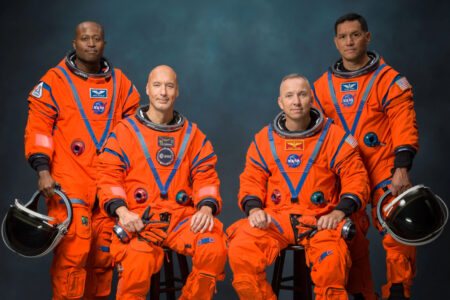
NASA unveils astronauts to test tech for future moon landing
Social Security’ fund faces shortfall one year earlier than expected
WASHINGTON (AP) — Social Security 's retirement trust fund is projected to face a funding shortfall in 2032, a ...