As violence drops in Iraq, some ponder faster troop withdrawals
Washington ? Violence against civilians and U.S. and Iraqi military forces dropped to some of the lowest levels of the war in May even as Iraqi troops are leading offensives in three major cities.
That drop, combined with the Iraqi forces’ growing capabilities, has some military experts wondering whether the Pentagon could accelerate the drawdown of its troops.
“Do we really need 155,000 troops to support the Iraqis?” asked one senior military official at the Pentagon who didn’t want to be identified because he wasn’t authorized to speak publicly.
So far this month, 20 U.S. troops have been killed in Iraq. If that number holds through today, May will have the lowest death toll since February 2004, two months before U.S. forces launched a major offensive against Sunni insurgents in Fallujah.
Statistics compiled by the U.S. military show that Iraq troop deaths also are falling, dropping to around 100 through May 24, compared to a peak of about 320 last July. That decline is particularly surprising because this month, Iraqi forces swept through the southern port city of Basra, the Sadr City section of Baghdad and the northern city of Mosul.
The role of U.S. soldiers also has begun changing. In parts of Iraq, soldiers said they now feel more like peacekeepers than war fighters. Indeed, as their Iraqi counterparts lead offensives, U.S. soldiers increasingly are supporting them with logistics by patrolling nearby neighborhoods or training new units.
As the statistics began showing a drop in violence, Gen. David Petraeus, the top military commander in Iraq, has said he’s increasingly optimistic that the U.S. could withdraw more of its troops after the roughly 30,000 forces sent to support his surge strategy leave at the end of July.
National
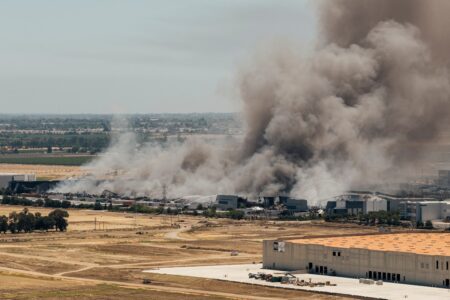
Unhealthy air quality in California city as huge warehouse fire burns for 3rd day
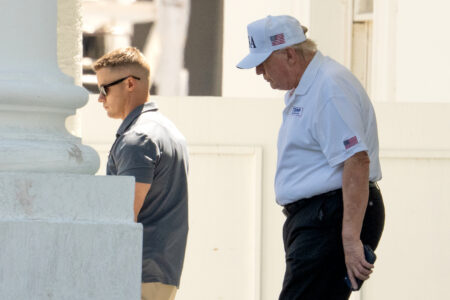
Judge orders Trump administration to restore National Park changes at sites that ‘disparaged’ US
Teens’ reading and math scores have stagnated, US test results show
WASHINGTON (AP) — Younger students have regained ground academically after the pandemic's disruptions while older ...
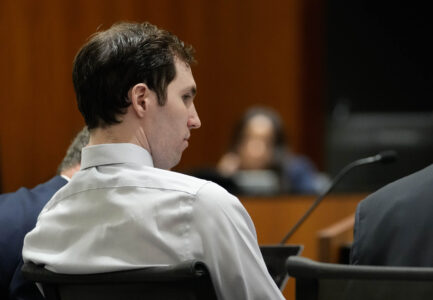
Lawyers for man accused of killing Charlie Kirk try to block death penalty
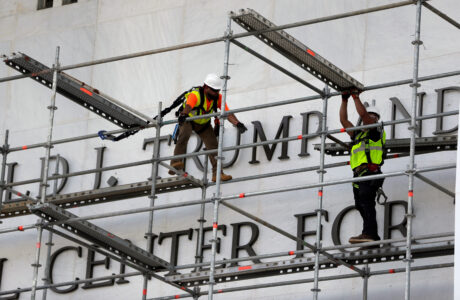
Trump’s name poised to come off Kennedy Center