

Behind the Lens: Various photo gear helpful to storm chasers

Volunteers help clean up storm damage to Pendleton's Country Market in this March 13, 2006, file photo. Spring is a key time for volatile weather, and aspiring photographers can capture strong images by packing a variety of cameras and lenses, if available.
One very interesting part of photography is when the weather changes quickly in the spring and one is called to head out into Mother Nature’s wrath.
I try taking two cameras and two lenses: wide (24 mm) and semi-telephoto (180 mm), both fast (f2.8). Some agencies want film images, but today’s digital images are great and the quality of the newest cameras and the high film speeds – 1600 and higher – have a picture quality as good as 100 ASA.
You have to think about a lot of things as you leave the office or home, whether it’s night or day. Some examples:
¢ Try to put something in the frame for reference.
¢ Rain is worst thing so keeping things dry that’s most important. There are various ways umbrellas are nice, but they can be lighting rods also. I sometimes use a big zip lock bag and cut a hole for the lens then your camera is pretty tight. Shooting from inside your car works a lot, but when you’re out you make quick decisions.
¢ When you use flash at night in rain, it shows all the rain and can block the picture. Try and find available light and something steady to brace yourself against.
¢ Always carry a rain jacket and rubber boots.
¢ A scanner and local radio stations tell you what’s going on. Then you pick a spot and watch the sky. Most storms move from southwest to northeast, so choose high places for a long look and wait.
You spend a lot of time trying to make a nice picture. It’s not to hard to make good pictures if the storm is good, and they usually are in the spring. A good site for more on storm chasing and pictures www.stormchaser.com.
Arts and Entertainment
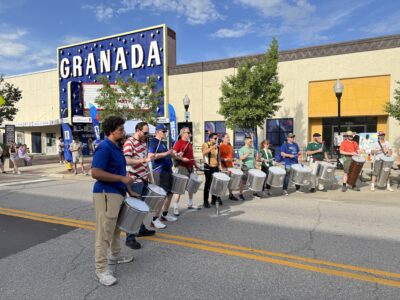
Photos: Lawrence begins World Cup festivities with downtown block party

Watkins Museum to open special exhibit detailing how Douglas County celebrated America’s Bicentennial

Go, See, Do: Kaw River Roots Festival, markets and more
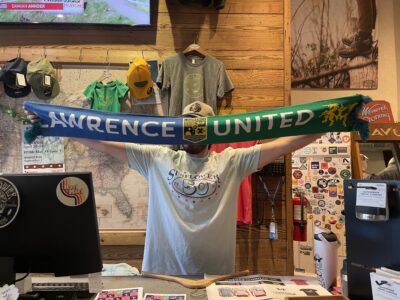
Soccer gear honoring Lawrence history’s all-star team is now on sale as part of city’s public art exhibition

Nominations, call for artists open for Lawrence’s 2026 Phoenix Awards