Water report has states scrambling
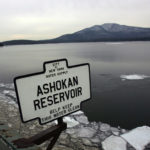
A sign marks the Ashokan Reservoir in Shokan, N.Y. Trace concentrations of medicines have been detected in the upstate source of New York City's water, but the city does not test its drinking water.
The governor of Illinois ordered screening of the state’s waterways for pharmaceuticals Wednesday in reaction to an Associated Press investigation into the presence of trace amounts of medicines in U.S. drinking water.
The announcement by Gov. Rod Blagojevich came as the New York City Council scheduled an emergency committee hearing and as water providers across the nation assured residents that their water is safe to drink – even if it hasn’t been tested.
Blagojevich said he had ordered the state’s environmental agency to begin screening waterways for pharmaceuticals and to promote safer disposal of medicines. The governor also announced that the state will partner with Chicago officials to test that city’s drinking water.
The AP series reported that Chicago was one of the largest U.S. cities that does not test its drinking water.
Blagojevich also directed state health officials to further assess the effects of any pharmaceutical contamination on human health.
In New York City, where the AP reported that trace concentrations of heart medicine, infection fighters, estrogen, anti-convulsants, a mood stabilizer and a tranquilizer have been detected in the upstate source of the city’s water, the City Council has scheduled an emergency public hearing for April 3. The AP reported that despite the test results in the watershed, the city does not test its downstate drinking water.
“I’m very concerned about the possible effects of even traces of pharmaceuticals in our drinking water,” said Councilman James G. Gennaro, a Democrat from Queens who heads the council’s environmental protection committee.
Senate hearings have been scheduled by Sens. Frank Lautenberg, D-N.J., and Barbara Boxer, D-Calif., and other members of Congress have called for the appointment of a task force and additional research.
“The Associated Press investigation was illuminating and a great service, but it was not an official governmental study, and I doubt your agency will act on an outside group’s findings,” wrote Sen. Bob Menendez, D-N.J., in a letter sent Wednesday to EPA Administrator Stephen L. Johnson. “If there are pharmaceuticals in our water, our government should be fully aware of the problem and working to correct it.”
The EPA released a statement in response to the AP series. “EPA appreciates any opportunity to raise the public’s awareness about the safe disposal of prescription drugs and environmental responsibility,” said spokesman Timothy Lyons. “The agency’s work to protect the nation’s water supply and enhance human health is ongoing, and we are pleased to see the interest Americans have taken in this effort.”
The five-month-long project by the AP National Investigative Team, published this week, found that drugs – mostly the residue of medications taken by people, excreted and flushed down the toilet – have gotten into the drinking water supplies of at least 24 major metropolitan areas, from Southern California to northern New Jersey.
Water systems in Wichita, Kan., and Kansas City, Mo., were among the 62 water suppliers surveyed, but neither city tested its water for pharmaceuticals.
National
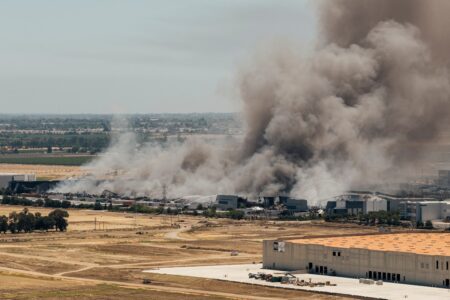
Unhealthy air quality in California city as huge warehouse fire burns for 3rd day
Judge orders Trump administration to restore National Park changes at sites that ‘disparaged’ US
Teens’ reading and math scores have stagnated, US test results show
WASHINGTON (AP) — Younger students have regained ground academically after the pandemic's disruptions while older ...
Lawyers for man accused of killing Charlie Kirk try to block death penalty

Trump’s name poised to come off Kennedy Center