Success of stimulus plan depends on consumers
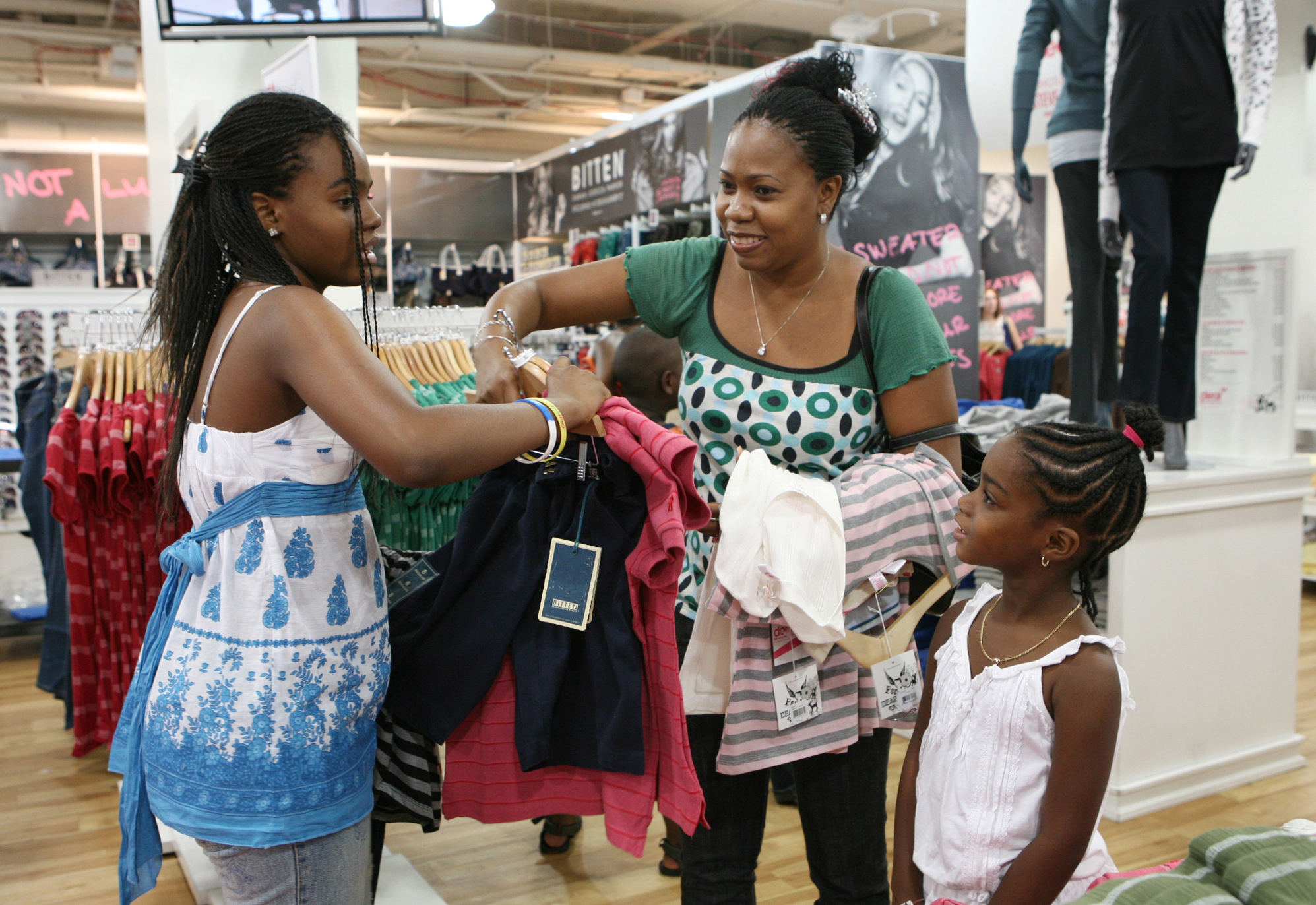
Customers at Steve & Barry's shop for new clothes for school in August in New York. President Bush and Congress hope consumers will quickly spend their rebates to pump the money back into the ailing economy.
St. Louis ? The success of the federal $150 billion emergency economic stimulus plan will hinge on whether American consumers do what they do best: spend, spend, spend.
The stimulus has been debated in Washington for more than a week as the economic outlook worsened, and now Americans are armed with specifics: Individuals will get up to $600, working couples $1,200 and those with children $300 more per child.
President Bush and leaders in Congress hope people will spend those rebates – a flat-screen television, maybe, or a trip to Disneyland – to help revive an economy sagging from bad mortgage lending and a lack of confidence in the stock market.
One problem: The spending habits of Americans, many of whom used the rising value of their homes during the real estate boom like a piggy bank, may be changing as housing prices tumble and credit dries up. So many consumers may put the money into savings or use it to pay down debt instead.
The National Foundation for Credit Counseling urged consumers Friday to use the money to pay down debt and past-due bills. But the group also recommended spending the money on home repairs or remodeling that might cut down on future energy bills.
The stimulus package isn’t a done deal yet. While approved by Bush and leaders in the House, it goes to the House floor for full approval next week, and later to the Senate.
Consumer spending accounts for roughly 70 percent of the U.S. economy, so putting money in the hands of shoppers is an easy way to boost economic output – at least in the short run.
“I think it will have a positive effect – I think it’s a good package. But I don’t think it’s going to be enough to avoid a recession,” said Steve Fazzari, a professor of economics at Washington University in St. Louis.
National
Teens’ reading and math scores have stagnated, US test results show
WASHINGTON (AP) — Younger students have regained ground academically after the pandemic's disruptions while older ...
Lawyers for man accused of killing Charlie Kirk try to block death penalty

Trump’s name poised to come off Kennedy Center

Suspect in Texas shooting had fired at police days earlier, officials say

Man pleads guilty to killing a top Minnesota Democrat and her husband