

Israelis, Palestinians agree on new negotiation plan
Annapolis, Md. ? Sealing their pledge with an awkward handshake, Israeli and Palestinian leaders resolved Tuesday to immediately restart moribund peace talks. President Bush said he will devote himself to ending the six-decade conflict in the 14 months he has left in office.
Israeli Prime Minister Ehud Olmert and Palestinian President Mahmoud Abbas, troubled leaders with fragile mandates for peace, told international backers and skeptical Arab neighbors that they are ready for hard bargaining toward an independent Palestinian homeland, a deal that has long eluded Mideast leaders and American presidents.
The launch of the first direct peace talks in nearly seven years was the centerpiece of a 44-nation conference Bush convened amid low expectations in this pretty, historic waterfront city east of Washington. Reading glasses on his nose, Bush opened the one-day session by reading the just-completed text of a joint agreement that had taken weeks of contentious negotiating but set only the vaguest terms for the talks to come.
“This is the beginning of the process, not the end of it,” Bush said.
The two sides understand that they need a deal, Bush said, and that they need one another.
“I pledge to devote my effort during my time as president to do all I can to help you achieve this ambitious goal,” Bush told Abbas and Olmert as the three stood together in the U.S. Naval Academy’s majestic Memorial Hall.
“I give you my personal commitment to support your work with the resources and resolve of the American government.”
Bush has held Mideast peacemaking at arms’ length for most of his nearly seven years in office, arguing that conditions in Israel and the Palestinian territories were not right for a more energetic role. Arab allies, among others, have warned that the Palestinian plight underlies other conflicts and feeds grievances across the Middle East and have urged the White House to do more.
Bush seemed to be answering that criticism Tuesday, giving detailed reasons that the time is now. He said Israeli and Palestinian leaders are ready to make peace, there is a wider and unifying fight against extremism fed by the Palestinian conflict and the world understands the urgency of acting now.
Bush planned to play host to Olmert and Abbas at the White House for a third day of meetings today, including a rare session with both Mideast leaders at once.
Negotiating teams will hold their first session in the region in just two weeks, on Dec. 12, and Olmert and Abbas plan to continue one-on-one discussions they began earlier this year. In addition, many of the same nations and organizations attending Tuesday’s conference will gather again on Dec. 17 in Paris to raise money for the perpetually cash-strapped Palestinians.
The bland language of the agreement released Tuesday reflected the difficulty of the task ahead. The document skirts the fundamental differences that have led to the collapse of all previous peace efforts: the borders of a Palestinian state, the status of disputed Jerusalem and the rights of Palestinian refugees and their descendants.
The agreement also commits the United States to be an arbiter of whether both sides are living up to promises unfulfilled in the past, such as corralling militants and freezing construction of Jewish settlements. Israel has resisted outside monitoring.
The Palestinians believe Israel is not ready for total peace and Olmert will face a difficult time politically as any deal takes shape. Meantime, Abbas is seen as reliable, but also weak and a leader who can’t in the end deliver on an agreement.
Despite vocal opposition to the latest peace moves, polls indicate a majority of both Israelis and Palestinians favor a negotiated settlement to the conflict. However, most are skeptical that the Annapolis meeting will bear fruit.
National
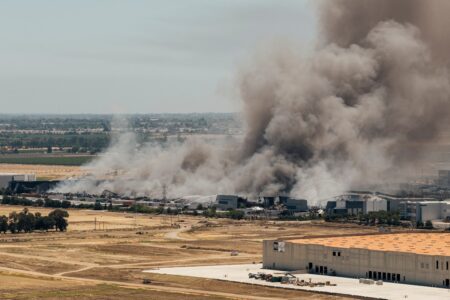
Unhealthy air quality in California city as huge warehouse fire burns for 3rd day

Judge orders Trump administration to restore National Park changes at sites that ‘disparaged’ US
Teens’ reading and math scores have stagnated, US test results show
WASHINGTON (AP) — Younger students have regained ground academically after the pandemic's disruptions while older ...

Lawyers for man accused of killing Charlie Kirk try to block death penalty

Trump’s name poised to come off Kennedy Center
