

Artist Miranda July’s quirky characters never give up
The sad, weird characters in Miranda July’s devastatingly personal stories contained in “No One Belongs Here More Than You” (Scribner, $23) are awkward misfits with lonesome hearts. They could be anyone, and they will admit to anything, from a half-baked plan to meet Prince William in a pub or an attempt to teach swimming in a living room using bowls of water.
Or worse. “There are three main things that make me a drag,” confesses the narrator of “The Man on the Stairs.”
“I never return phone calls.
“I am falsely modest.
“I have a disproportionate amount of guilt about these two things, which makes me unpleasant to be around.”
And yet there’s something curiously uplifting about these oddballs, who remain optimistic despite their limitations. “I was too aware of the intervals between the pats and couldn’t find a natural rhythm,” frets a woman trying to offer a reassuring touch on a partner’s back during a workshop in “It Was Romance.” There’s something funny about this dilemma, but July isn’t laughing like a mean girl. Her offbeat sense of humor warms the characters’ wry understanding of their misfortunes.
A performance artist who directed and starred in the arresting indie film “Me and You and Everyone We Know,” the idiosyncratic July has been compared to Lorrie Moore. Her prose is pared down, and the voices sound similar sometimes, but she makes every word breathe with bizarre and tantalizing honesty. “People tend to stick to their own size group because it’s easier on the neck,” explains the narrator of “The Shared Patio” as she stakes her claim to a living space.
But communication is difficult any way you slice it. As one-half of the couple in “Mon Plaisir” says after realizing she and her husband can only communicate as movie extras who silently pretend to chat and nod and smile and touch: “We waited with our heads down. His hand remained on mine, but lifelessly, and as lights were adjusted around us, I had time to wonder how many more takes were left. There could not be enough.”
Some stories are as slight as monologues; others are more fully formed, and in them, sorrowful wisdom resonates. “We were kites flying in opposite directions attached to strings held by one hand,” says a young woman in the marvelous “Something That Needs Nothing,” in which the narrator embarks on a new life with the best friend she secretly loves. But the situation does not work out as she had hoped, and she finds herself living alone and working in a peep show. What happens next is unexpected, though, and that’s true of July’s quicksilver fiction, too. It’s always surprising, and it takes pains to remind us that, somehow, we all belong somewhere.
Arts and Entertainment
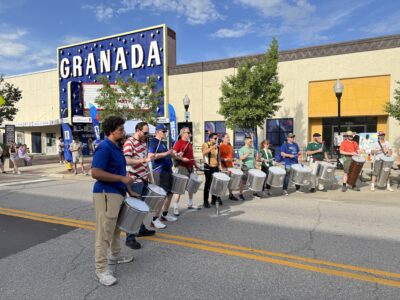
Photos: Lawrence begins World Cup festivities with downtown block party
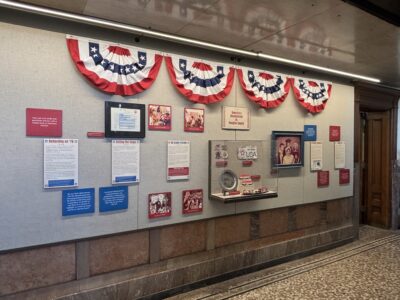
Watkins Museum to open special exhibit detailing how Douglas County celebrated America’s Bicentennial

Go, See, Do: Kaw River Roots Festival, markets and more
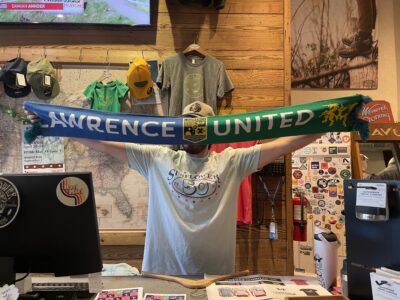
Soccer gear honoring Lawrence history’s all-star team is now on sale as part of city’s public art exhibition

Nominations, call for artists open for Lawrence’s 2026 Phoenix Awards