Britain’s Brown vows to learn from ‘mistakes’ of Iraq war
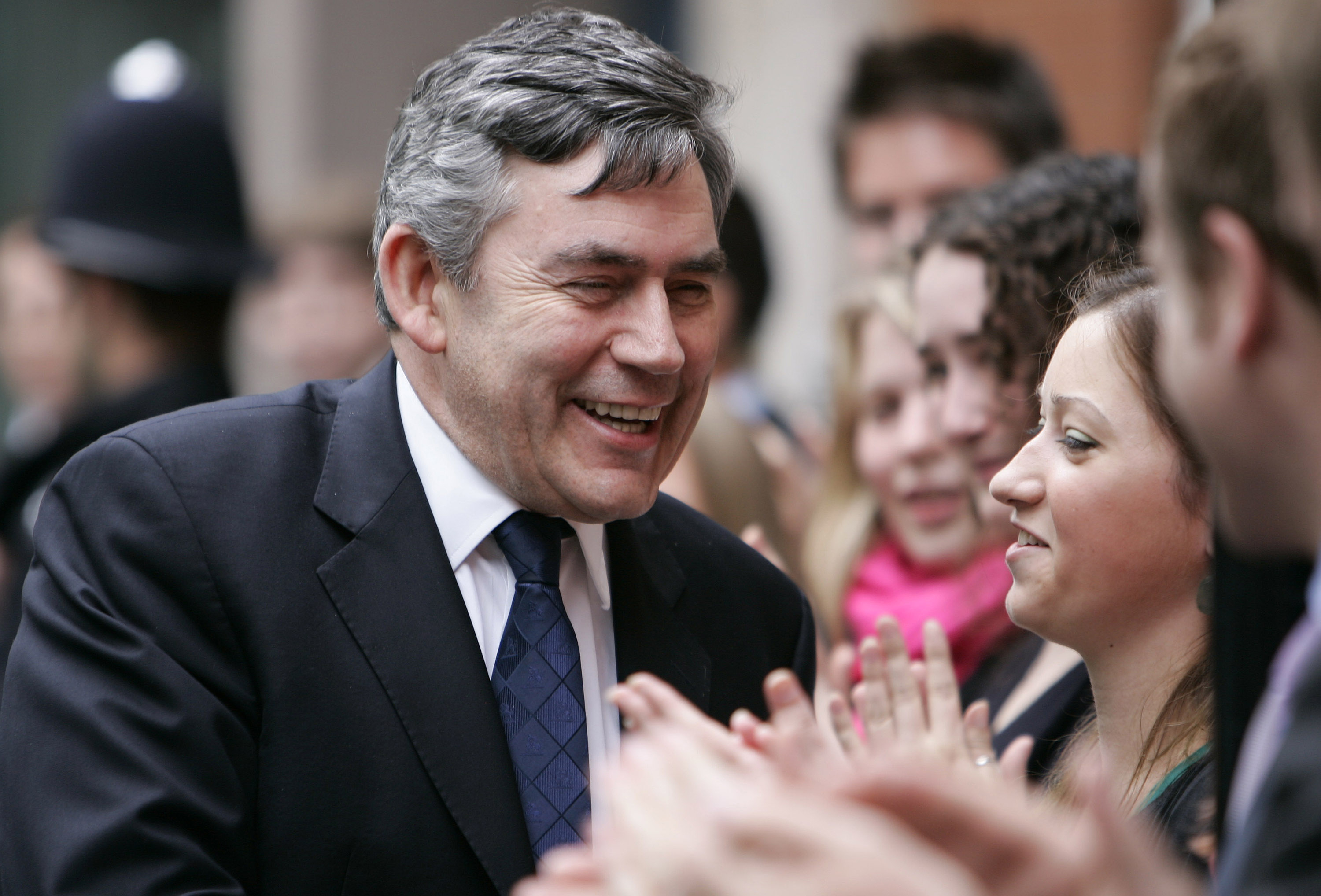
Gordon Brown greets supporters in London before launching his campaign to become prime minister. Brown suggested Friday that it was time in Iraq to shift toward political reconciliation and economic development.
London ? Gordon Brown signaled a shift in policy in Iraq and a new vision for Britain as he launched his campaign Friday to become the country’s next prime minister.
Appearing before a standing ovation of hand-picked supporters only hours after Prime Minister Tony Blair formally endorsed his candidacy, Brown, who has waited more than a decade for his chance to lead the country, strode to the podium and confidently laid out a platform that promised to be both compassionate and tough.
“I will listen, and I will learn. I will strive to meet people’s aspirations,” Brown said, pledging to win back disenchanted voters. “I want to lead a government humble enough to know its place.”
Brown signaled that as prime minister, he would abandon Blair’s presidential style of leadership by restoring Parliament’s authority in decisions such as when to go to war. Government must be accountable, he said.
“I accept that mistakes have been made,” Brown said, without offering specifics. “We will keep our obligations to the Iraqi people. These are obligations that are part of U.N. resolution; they are in support of a democracy. I do think that over the next few months the emphasis will shift.”
The question is how much Brown will shift Britain’s role in the Iraq war, which has divided the country. He indicated he wants to devote more time and resources toward the creation of jobs and basic services for the Iraqi people.
“There are too many people in Iraq who don’t have a stake in the economic future of the country, too many people unemployed, too many people who are not seeing services developed : and therefore too many people who don’t feel loyalty to the regime,” he said.
Brown did not outline specifics on his Iraq policy. He said he will make his first trip to Iraq in the coming weeks to inspect the situation.
Blair announced in February that his government – the top U.S. ally in the Iraq war – will reduce its troop level by 1,600 to about 5,500, but will retain a presence in southern Iraq until at least 2008. A total of 148 British soldiers have died since the 2003 invasion.
Brown also promised to be strong on defense and security.
“And obviously we’ve got to do more to win the battle of hearts and minds against al-Qaida terrorism,” he said.
Brown’s speech at a converted Edwardian-era school in central London was the first act in his campaign to become Labour Party chief – and as a result, British leader. It also marked Brown’s first effort to emerge from the shadow of the telegenic Blair – a challenge for the wonkish Brown, who must show he can connect with voters.
The campaign to revamp the Treasury chief’s rumpled image hit an immediate snag when the teleprompters he was using obscured his face for the live television audience.
National
Unhealthy air quality in California city as huge warehouse fire burns for 3rd day
Judge orders Trump administration to restore National Park changes at sites that ‘disparaged’ US
Teens’ reading and math scores have stagnated, US test results show
WASHINGTON (AP) — Younger students have regained ground academically after the pandemic's disruptions while older ...
Lawyers for man accused of killing Charlie Kirk try to block death penalty
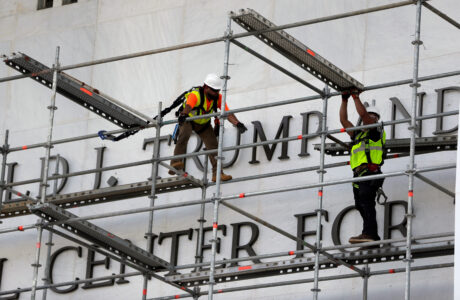
Trump’s name poised to come off Kennedy Center