Chickens ate tainted food, placed on hold
Washington ? About 20 million chickens being raised for human consumption in several states ate feed made with melamine-tainted pet food and have been placed on a marketing hold to keep them from entering the food supply, Agriculture Department officials said Friday night.
The agency called for the “voluntary hold” late Friday, pending completion of a government risk analysis to determine whether the animals would be safe for people to eat.
The move, which involves major market brands, marked a significant escalation of the pet food scandal, which started with a few companion animals dying from food laced with tainted ingredients from China and has grown to reveal big cracks in the human food safety system.
Last week, government officials found evidence that as many as 345 pigs and perhaps 3 million broiler chickens may have been sold for human food after having eaten contaminated feed. About 9 billion chickens are raised for slaughter in this country each year.
Food and Drug Administration officials have said they believe the health risks of eating meat from animals that were fed the contaminated material are very small.
The 20 million live chickens now being held were being raised for “large, brand-name growers,” USDA spokesman Keith Williams said. “These are names you would know.”
The agency is not revealing the names, but Williams said the companies and the many contract growers that were raising the birds were cooperating fully with the hold.
Because the chickens were being raised for well-known brands, they were being fed a blend that is higher quality than conventional feed, Williams said. That means their food had a smaller percentage of pet food mixed in – and lower overall doses of melamine, the industrial chemical that was recently found to have been mixed with Chinese wheat gluten and rice protein. Those materials were then imported into the United States and incorporated into more than 100 brands of pet food.
Perhaps because of that lower dose in the feed, initial tests have found no measurable traces of melamine in the chickens themselves, and the birds appear healthy – elements that Williams said were encouraging.
USDA, FDA and the Environmental Protection Agency are working up a joint risk assessment that will take into account what is known about the doses consumed by the chickens, the way melamine is broken down in animal bodies, the toxicity of melamine to humans and the amount of chicken most people eat.
National
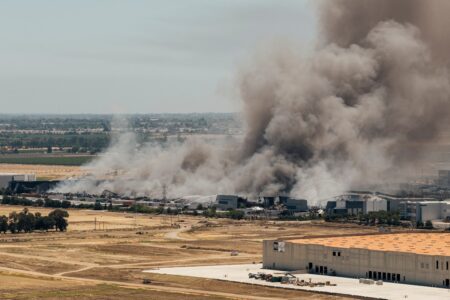
Unhealthy air quality in California city as huge warehouse fire burns for 3rd day

Judge orders Trump administration to restore National Park changes at sites that ‘disparaged’ US
Teens’ reading and math scores have stagnated, US test results show
WASHINGTON (AP) — Younger students have regained ground academically after the pandemic's disruptions while older ...

Lawyers for man accused of killing Charlie Kirk try to block death penalty

Trump’s name poised to come off Kennedy Center