News of the Weird
Leading economic indicators
The Money Drop: Germany saw a birth boom during the first days of the new year, attributed mainly to the government’s child-bearing incentives (bonuses of up to the equivalent of $33,000, leading mothers to attempt to delay December delivery until the law kicked in on Jan. 1). Meanwhile, in the United States, according to a December New York Times feature, an estimated 6 percent of the annual 70,000 babies scheduled to be born the first week of January were once again induced early, for late December delivery, to take advantage of tax breaks worth at least $4,000 per child.
l Zimbabwe’s almost comically sad hyperinflation rate reached 1,593 percent in January (the dollars that bought a brick house with pool and tennis court in 1990 would today buy a single brick), but that did not stop President Robert Mugabe from ostentatiously celebrating his 83rd birthday on Feb. 24 at a party estimated to cost the equivalent of about $1.2 million. In early February, the government attempted to halt inflation by passing a law declaring it illegal.
Science on the cutting edge
A January National Geographic TV special revisited an underreported Cold War struggle between Soviet and U.S. scientists rushing to perform head transplants. Russian Vladimir Demikhov, working in secret in the 1950s, grafted the head and upper body of a puppy onto the neck of a large mastiff (and both reportedly bemusedly tolerated the other for the four days that the “puppy” lived). American Robert White of Cleveland, Ohio, reportedly transplanted a dog’s brain into another dog’s neck and noted which characteristics transferred with the brain (until the dog died days afterward). (When even limited word got out about White’s 1970 rhesus monkey head transplant, the public outcry forced his lab to close.)
National

Unhealthy air quality in California city as huge warehouse fire burns for 3rd day
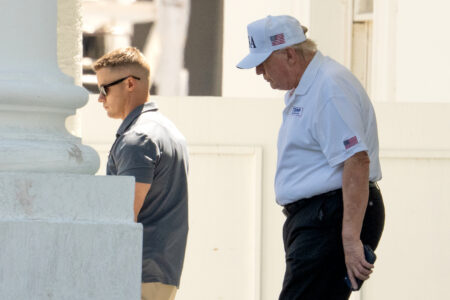
Judge orders Trump administration to restore National Park changes at sites that ‘disparaged’ US
Teens’ reading and math scores have stagnated, US test results show
WASHINGTON (AP) — Younger students have regained ground academically after the pandemic's disruptions while older ...
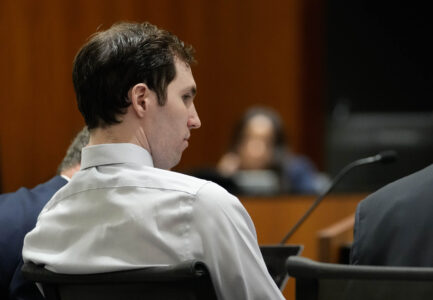
Lawyers for man accused of killing Charlie Kirk try to block death penalty

Trump’s name poised to come off Kennedy Center